Citric Acid Market 2026: China Dominance, Anti-Dumping Risk and USD 4.7 Billion by 2036
Few specialty chemicals have achieved the global reach of citric acid. Found in soft drinks, processed foods, pharmaceuticals, personal care products and industrial formulations, citric acid has become an essential ingredient across multiple industries.
In 2026, the market presents a unique combination of strong demand growth and significant supply concentration. While global consumption continues expanding, buyers face increasing exposure to Chinese production trends, agricultural feedstock costs and trade policy developments. These factors are reshaping procurement strategies for importers, distributors and industrial users worldwide.
The Global Citric Acid Market Continues to Expand
The citric acid industry remains on a steady growth trajectory.
Market estimates place the global citric acid market at approximately USD 3.296 billion in 2026, with projections suggesting growth to nearly USD 4.741 billion by 2036. This represents a compound annual growth rate of roughly 3.7% over the forecast period.
Several structural drivers support this expansion:
Growing consumption of processed foods and beverages.
Increased demand for clean-label food ingredients.
Expanding pharmaceutical production.
Rising use in household and industrial cleaning products.
Growth in personal care and cosmetic applications.
Unlike many specialty chemicals that depend on a single sector, citric acid benefits from diversified demand across multiple industries.
Food and Beverage Applications Remain the Core Demand Driver
Food and beverage manufacturing continues to dominate global citric acid consumption.
The sector accounts for approximately 65.4% of total application demand, making it the largest consumer by a significant margin.
Manufacturers use citric acid for multiple purposes:
Acidity regulation.
Flavor enhancement.
Preservation.
pH adjustment.
Beverage stabilization.
Soft drinks, fruit-based beverages, confectionery products and processed foods represent some of the largest consumption categories.
The continued expansion of packaged food consumption in Asia, Africa and Latin America is expected to support long-term demand growth.

Why China Dominates Global Citric Acid Production
No discussion of the citric acid market is complete without examining China's overwhelming production position.
China currently accounts for more than 70% of global citric acid supply and controls approximately 85% to 88% of worldwide production capacity.
Several competitive advantages have supported this dominance:
Large-scale fermentation facilities.
Strong agricultural feedstock availability.
Integrated manufacturing infrastructure.
Competitive labor and operating costs.
Established export networks.
For buyers, this concentration creates both opportunities and risks. China offers competitive pricing and large-volume availability, but dependence on a single producing region increases supply chain exposure.
Anhydrous Citric Acid Holds the Largest Market Share
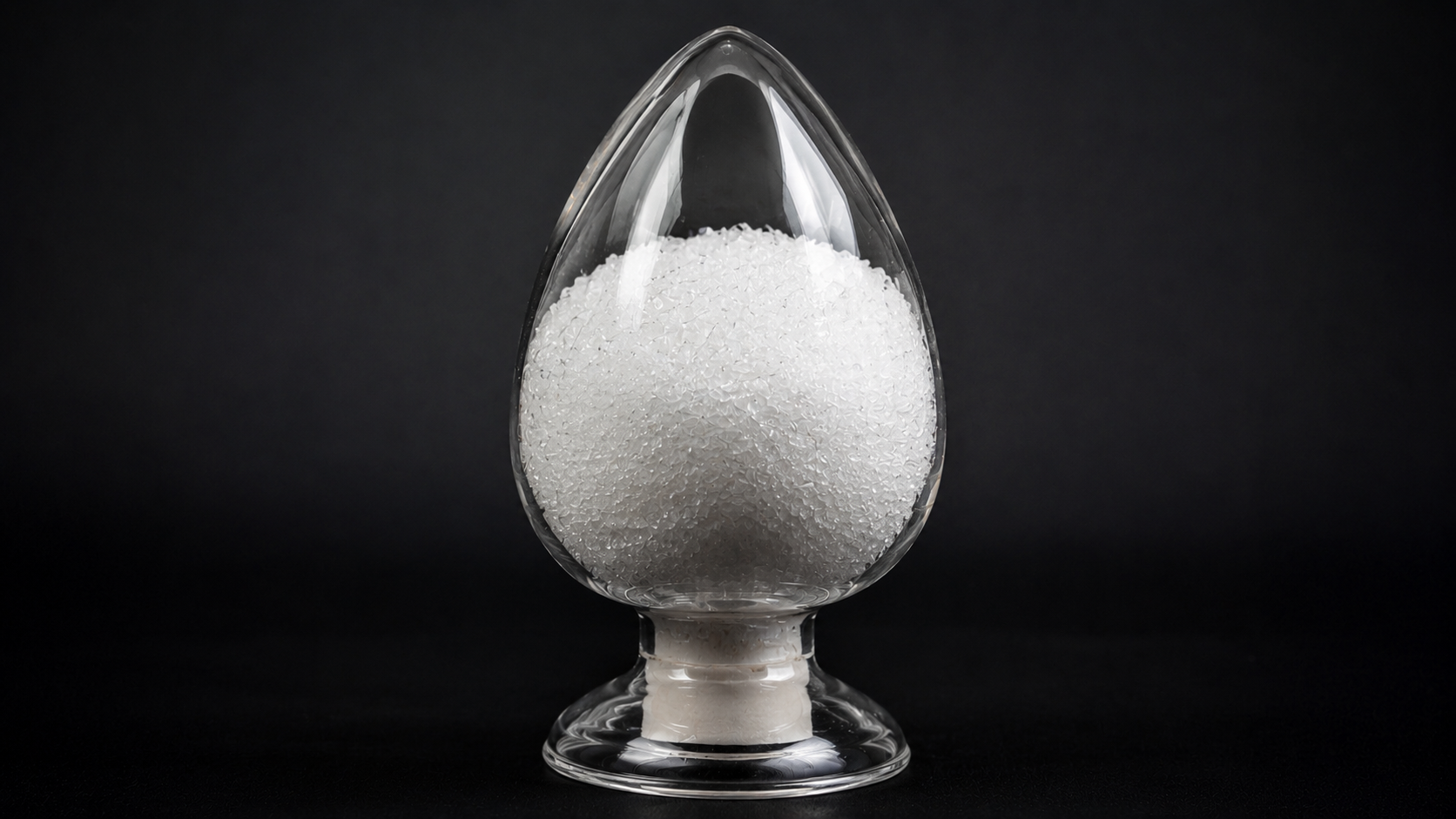
Among commercial grades, anhydrous citric acid remains the dominant product form.
The anhydrous segment accounts for approximately 56.2% of market share, reflecting its widespread use across food processing, pharmaceuticals and industrial applications.
Advantages of anhydrous citric acid include:
Longer storage stability.
Lower moisture content.
Easier handling and transportation.
Broad compatibility across formulations.
Many buyers prefer anhydrous grades because they offer greater flexibility across multiple manufacturing environments.
Corn Starch Economics Influence Global Pricing
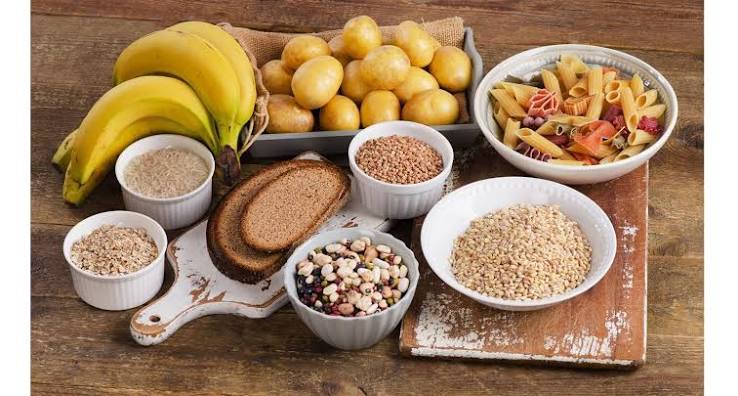
Citric acid production relies heavily on fermentation processes that use corn-derived feedstocks.
As a result, corn starch pricing plays a critical role in determining production costs, particularly within China where most manufacturing capacity is concentrated.
When corn prices increase, citric acid producers often face:
Higher raw material expenses.
Reduced production margins.
Increased export pricing pressure.
Greater contract negotiation activity.
Procurement teams that monitor agricultural commodity markets can often gain early insight into future citric acid pricing trends.

How Global Agricultural Trade Influences Feedstock Costs
The relationship between agricultural markets and citric acid pricing extends beyond corn alone.
Current trade discussions involving potential US Section 301 tariff measures affecting Brazilian agricultural exports have attracted attention across commodity markets. Changes in soybean competitiveness can influence crop allocation decisions, which may indirectly affect corn supply dynamics and feedstock positioning globally.
While these effects may not immediately change citric acid prices, they highlight how interconnected modern agricultural and chemical supply chains have become.
Buyers should monitor:
Corn price movements.
Soybean market competitiveness.
Agricultural trade policies.
Export restrictions.
Weather conditions affecting crop production.
These variables increasingly influence long-term feedstock economics.
Anti-Dumping Risk Remains a Strategic Concern
Trade policy remains one of the most significant uncertainties facing the citric acid market.
European authorities have investigated Chinese citric acid imports for dumping in previous years, and concerns regarding market concentration continue to influence trade discussions.
Potential anti-dumping measures can affect:
Import pricing.
Supplier selection.
Regional competitiveness.
Inventory planning.
Long-term procurement strategies.
For distributors and industrial buyers, regulatory developments can sometimes have a greater impact on landed costs than changes in production economics.
Supply Chain Diversification Is Becoming More Important
Heavy dependence on Chinese supply has encouraged many buyers to evaluate risk mitigation strategies.
While China remains the dominant source, procurement teams increasingly seek ways to improve supply chain resilience.
Common approaches include:
Establishing relationships with multiple suppliers.
Diversifying sourcing channels.
Negotiating longer-term contracts.
Building strategic inventory reserves.
Monitoring trade policy developments closely.
These strategies help reduce exposure to disruptions arising from regulatory actions or logistical bottlenecks.

What Buyers Should Watch Through 2036
The citric acid market is expected to continue expanding steadily over the next decade, supported by strong demand from food, beverage and industrial sectors. However, the industry's heavy reliance on Chinese production ensures that supply chain concentration will remain a critical consideration for buyers.
Procurement teams should pay close attention to feedstock economics, agricultural trade developments and potential anti-dumping actions that could alter global trade flows. Companies that combine competitive sourcing with proactive risk management will be best positioned to navigate future market shifts.
As demand approaches projected market values of nearly USD 4.7 billion by 2036, citric acid will remain one of the most strategically important organic acids in global trade.
Ready to source citric acid from verified global suppliers? Explore competitive offers on our platform today.
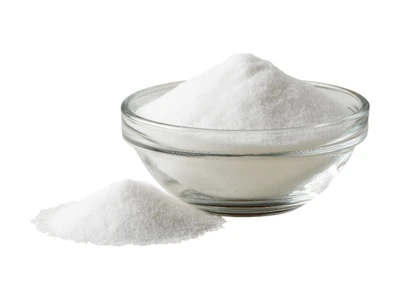
Citric Acid Anhydrous (E330)
Found this useful?