Europe's electric vehicle industry has entered a new phase where battery recycling has become a strategic supply chain priority instead of an end-of-life activity. New investments in EV battery recycling now support professional dismantling, safe battery discharging, black mass production, metal recovery and integrated logistics across the region. These developments strengthen Europe's ability to recover valuable battery materials while reducing dependence on imported raw materials.
For procurement managers, chemical traders and industrial buyers, this shift creates new sourcing channels for critical metals while improving regional supply resilience. Companies that understand these changes will be better positioned to secure reliable material supplies as battery demand continues to expand.
Why Europe Is Investing in Battery Recycling
The rapid growth of electric vehicles has created an equally rapid increase in battery production. As more batteries reach the end of their service life, Europe sees recycling as an opportunity to recover valuable resources instead of treating used batteries as waste.
Modern recycling facilities now focus on creating a circular value chain where materials remain in continuous industrial use. This approach reduces pressure on mining operations while strengthening domestic access to essential battery metals.
Several factors drive these investments:
Growing EV production requires stable supplies of battery materials over the coming decades.
Recovered metals reduce dependence on volatile international supply chains.
Circular production supports sustainability targets while lowering material losses throughout manufacturing.
Building a Complete Circular Battery Value Chain
Earlier recycling systems often handled only limited processing steps before materials moved to another country for additional treatment. Today's facilities increasingly combine multiple operations within Europe.
Many new recycling sites now provide:
Safe battery collection and transportation using specialized logistics systems.
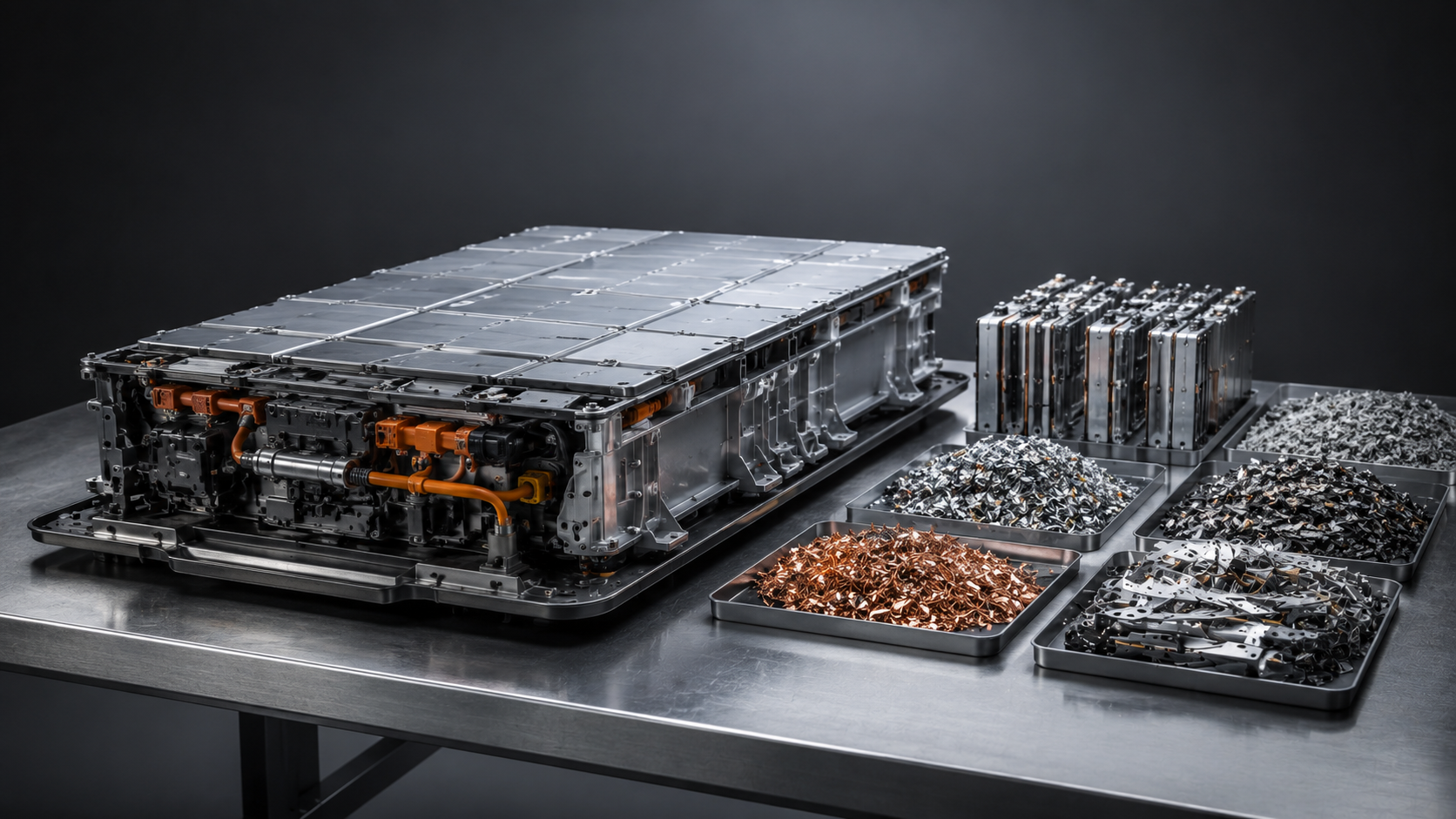
Professional dismantling that separates reusable battery components efficiently.
Controlled battery discharging before mechanical processing begins.
Black mass production that concentrates valuable battery materials.
Metal fraction processing that prepares recovered materials for refining and manufacturing.
Keeping these activities within one regional ecosystem reduces transportation complexity while improving traceability across the supply chain.
Black Mass Is Becoming a Strategic Trade Material
One of the most significant developments involves the growing importance of black mass. This intermediate recycling product contains concentrated quantities of valuable battery metals recovered from spent lithium-ion batteries.
Rather than exporting entire battery packs, companies increasingly process batteries into black mass before sending the material for metal recovery. This creates several commercial advantages.
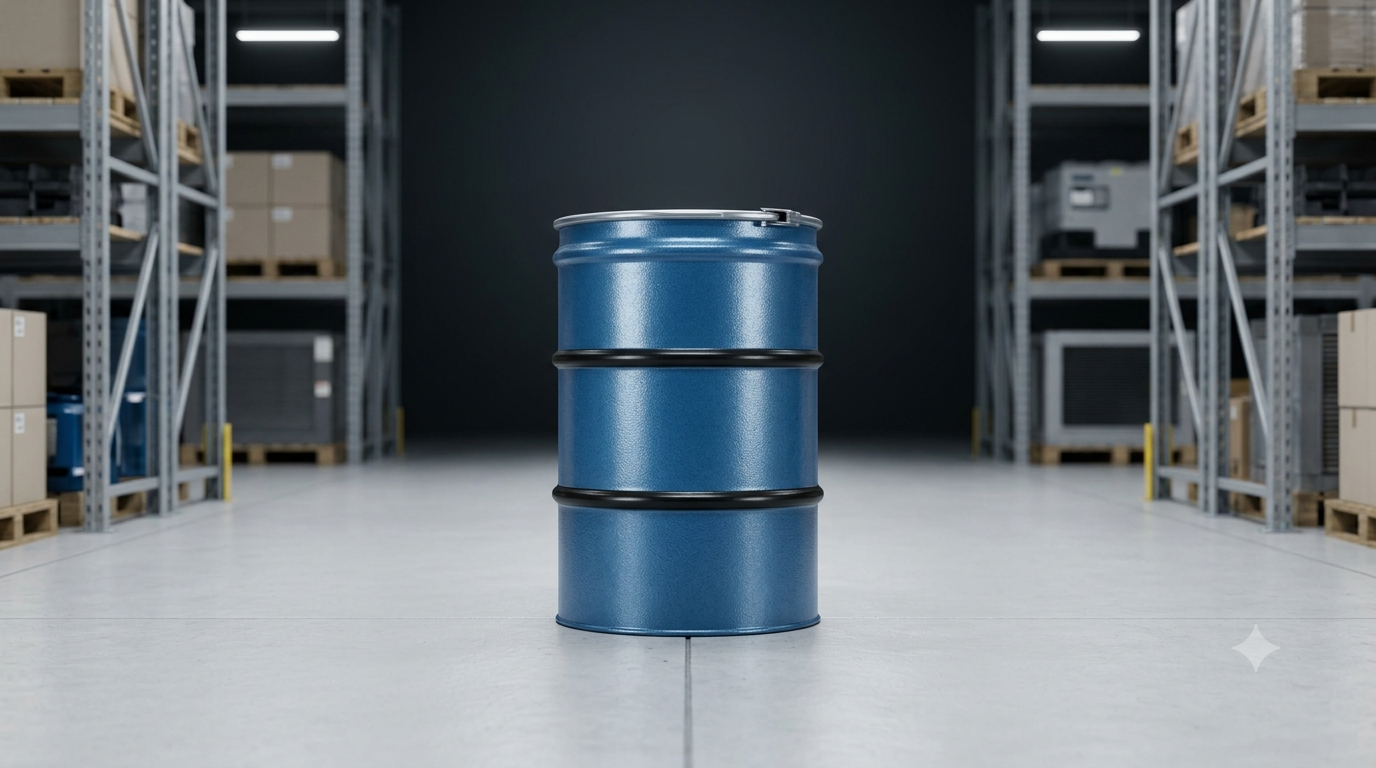
Transportation becomes more efficient because unnecessary casing materials have already been removed.
Material value increases because recovered metals become more concentrated.
Regional refiners receive more consistent feedstock for downstream processing.
As recycling capacity expands, black mass is becoming an increasingly important commodity within Europe's battery ecosystem.
Better Logistics Strengthen Material Recovery
Battery recycling depends as much on logistics as on processing technology. Used EV batteries require specialized handling because of their size, weight and residual electrical energy.
European investments increasingly include integrated logistics networks that connect vehicle manufacturers, dealerships, recycling centers and material processors. This coordinated movement improves collection rates while reducing delays throughout the recycling chain.
Efficient logistics also help procurement teams forecast material availability with greater confidence, particularly for recovered battery metals entering secondary markets.
Battery manufacturing depends on several critical raw materials whose availability often fluctuates due to mining output, geopolitical developments and transportation constraints.
As recycling volumes increase, recovered materials can supplement primary production instead of replacing it entirely. This creates a more balanced supply landscape for manufacturers.
Recovered materials may include:
Lithium recovered from battery cells for future battery production.
Nickel suitable for high-performance battery chemistries.
Cobalt recovered from spent batteries to reduce reliance on newly mined material.
Copper and aluminum separated from battery components for industrial reuse.
A broader supply base helps manufacturers reduce exposure to sudden disruptions affecting any single source of raw materials.
What This Means for Procurement Teams
Procurement strategies will gradually evolve as recycled battery materials become more widely available. Buyers should no longer evaluate supply only through traditional mining and refining channels.
Instead, procurement teams should monitor the growth of qualified recycling partners capable of delivering consistent material quality and predictable volumes.
Several practical considerations deserve attention:
Evaluate suppliers based on process quality, traceability and material consistency instead of price alone.
Monitor regional recycling capacity because local recovery can shorten supply chains.
Consider long-term agreements that include recycled material alongside virgin raw materials.
Track developments in battery chemistry because changing compositions influence future recycled material availability.
Companies that diversify sourcing strategies today may gain greater flexibility during future market fluctuations.
Competitive Advantages for European Manufacturing
Regional recycling offers benefits that extend beyond environmental performance. Manufacturers increasingly view recycled materials as part of their long-term competitiveness.
A stronger domestic supply network can deliver:
Faster access to recovered raw materials.
Reduced transportation distances.
Lower exposure to international shipping disruptions.
Better visibility across material flows.
Improved supply chain resilience during periods of market uncertainty.
These advantages become increasingly valuable as EV production continues to scale across Europe.
The Growing Role of Chemical Processing
Battery recycling involves more than mechanical dismantling. Chemical processing plays a central role in recovering high-value metals suitable for reuse.
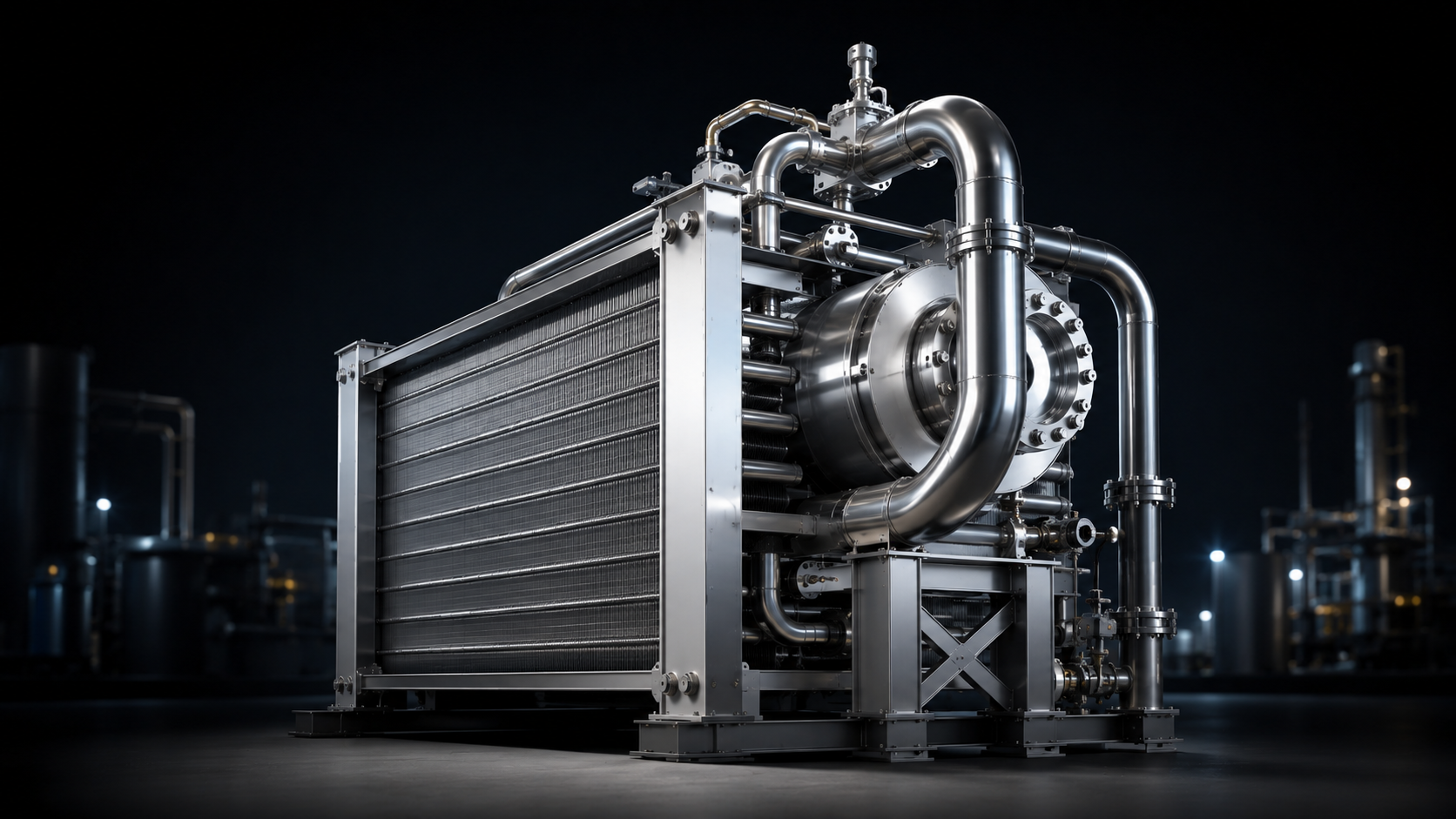
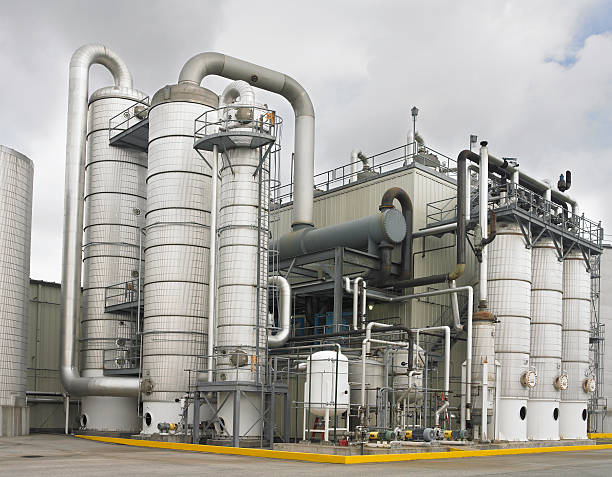
After black mass production, specialized processing separates valuable elements into usable chemical forms for battery manufacturing. Continued investment in these downstream capabilities allows more recovered materials to remain within Europe's industrial ecosystem instead of leaving the region for further processing.
For chemical traders, this creates additional opportunities to participate in evolving supply chains supporting battery-grade materials.
Looking Ahead for Buyers and Traders
Europe's investment in battery recycling signals a long-term transformation rather than a temporary market trend. As more electric vehicles reach the end of their operational life, recycling volumes will continue to increase, creating a growing secondary source of strategic battery materials.
Procurement managers should monitor recycling capacity alongside mining developments when planning future sourcing strategies. Traders should also expect stronger demand for recycled feedstocks, black mass and refined battery materials as circular manufacturing expands across the continent.
Businesses that establish relationships with qualified recycling partners today will likely enjoy greater sourcing flexibility as the European battery market matures. Ready to source EV battery recycling related materials from verified global suppliers? Explore competitive offers on our platform today.