CNOOC-Shell Suspend Polyethylene Production at Huizhou
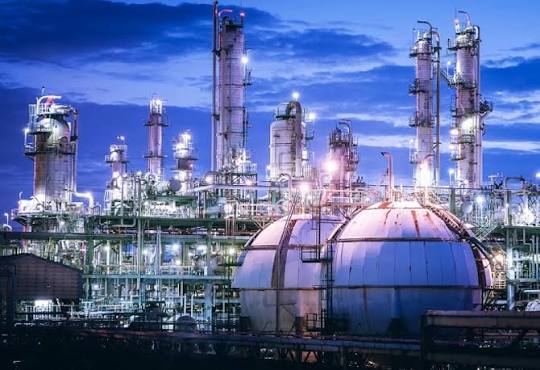
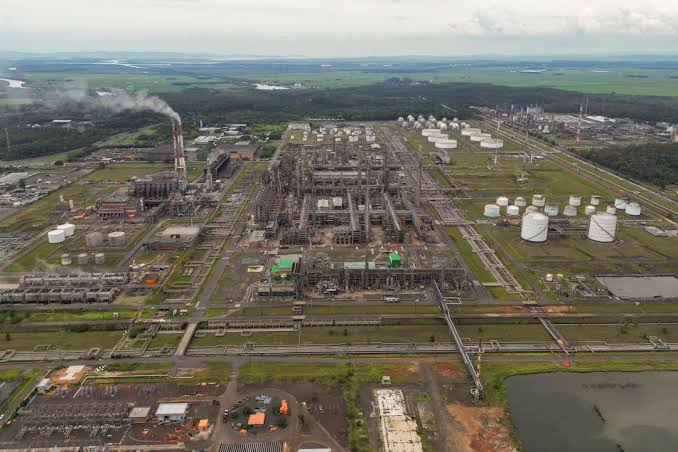
CNOOC and Shell Petrochemicals (CSPC) has suspended polyethylene (PE) production at its Huizhou facility in Guangdong, China, temporarily reducing domestic PE availability, particularly in South China.
The suspension was reported on September 18, 2026, with market participants monitoring the facility's maintenance status and potential restart. The shutdown is significant because CSPC is an important polyethylene supplier to China's plastics market, serving applications including film, injection molding, and pipe products.
Importantly, CSPC has not publicly disclosed the reason for the shutdown, the affected production capacity, or an expected restart date as of the reporting available. Therefore, the duration of the suspension cannot currently be confirmed.
What Happened at Huizhou?
CSPC's polyethylene production unit at its Daya Bay petrochemical complex in Huizhou, Guangdong, was reported to have stopped operating in mid-September.
The suspension is expected to temporarily reduce PE supply entering China's domestic market.
According to market reports, the shutdown is particularly relevant for South China, where CSPC supplies downstream plastics processors.
The available reporting does not confirm whether the shutdown is related to planned maintenance, an operational issue, or another factor. CSPC had also not announced a restart timetable at the time of publication.
Reason and Duration Remain Undisclosed
One of the most important points for chemical-market intelligence is what is not yet known.
As of the September 18 report:
Reason for shutdown: Not disclosed
Affected PE capacity: Not disclosed
Expected restart date: Not disclosed
Confirmed shutdown duration: Not disclosed
This means it would be premature to classify the event definitively as scheduled maintenance or an unplanned outage.
For buyers, traders, and downstream processors, the lack of a confirmed restart date creates additional uncertainty when planning near-term PE purchases.
Why the Shutdown Matters
Polyethylene is one of the world's most widely used polymers, with applications across packaging, construction, consumer products, agriculture, pipes, and industrial manufacturing.
A temporary reduction in regional production can affect:
Local spot availability
Supplier lead times
Import requirements
Inventory strategies
Regional price negotiations
Downstream production planning
The impact can be particularly visible in markets where buyers depend heavily on nearby domestic suppliers.
Impact on South China's PE Supply
The Huizhou facility is located in one of China's major petrochemical and manufacturing regions.
A temporary reduction in local PE supply could encourage buyers to:
Source from alternative domestic producers
Increase imports
Draw down existing inventories
Seek alternative grades
Adjust purchasing schedules
Monitor spot-market pricing more closely
Market reports indicated that traders and downstream producers were already evaluating alternative supply sources following the shutdown.
Downstream Applications Could Feel the Effect
The market impact will depend partly on which PE grades and production lines are affected.
The reported downstream applications include:
Film
PE is widely used in flexible packaging and agricultural films.
Injection Molding
PE grades are used for containers, household products, industrial components, and other molded applications.
Pipe
Polyethylene is also important for pipe and infrastructure applications.
If supply remains constrained for an extended period, processors using specific grades may need to qualify alternative sources or modify purchasing plans.
Earlier Polyolefin Adjustments
The current PE suspension follows earlier adjustments within CSPC's polyolefin operations.
Chinese market reporting noted that CSPC's Phase I polypropylene unit stopped on August 16, while its Phase II PP unit restarted on August 7. At that time, the PE facility was still operating.
The sequence of operating changes is relevant for market observers, although it does not establish that the PE shutdown has the same cause.
For procurement teams, the broader lesson is to monitor individual production units rather than assuming that an entire petrochemical complex is operating at normal rates.
Competitive Intelligence
Companies tracking China's polyethylene market should monitor several indicators following the Huizhou shutdown.
1. Restart Announcement
The most important near-term signal will be an official or reliable market confirmation that PE production has restarted.
2. Shutdown Duration
If the outage extends beyond a short maintenance window, its impact on regional availability could become more significant.
3. Alternative Domestic Supply
Track operating rates at other Chinese PE producers and their ability to replace lost regional supply.
4. Import Flows
Higher imports could help compensate for reduced domestic production if international pricing and logistics remain competitive.
5. Spot Prices
Regional PE spot prices can provide an early indication of whether buyers are experiencing tighter availability.
6. Downstream Inventory
Inventory levels among film, injection-molding, and pipe producers will influence how quickly the shutdown translates into additional purchasing demand.
Procurement Considerations
PE buyers should avoid relying on a single expected restart date while CSPC's plans remain undisclosed.
Procurement teams can consider:
Confirming supplier production status directly
Checking available inventory before placing urgent orders
Maintaining alternative qualified suppliers
Reviewing domestic and imported PE options
Monitoring grade-specific availability
Evaluating lead times
Tracking freight costs for alternative supply routes
Avoiding unnecessary dependence on spot purchases during periods of uncertainty
For manufacturers with strict product specifications, qualifying alternative grades or suppliers in advance can reduce the risk of production interruptions.
Supply-Chain Implications
The Huizhou shutdown illustrates how a single production interruption can affect downstream supply chains even within a large and diversified petrochemical market.
China has extensive PE production capacity, meaning the national impact may be manageable if other producers maintain stable operating rates.
However, regional availability can tighten even when national supply remains relatively balanced.
This distinction is particularly important for South China buyers that rely on local supply to reduce transportation costs and lead times.
Looking Ahead
The most important unanswered question is how long CSPC's polyethylene production will remain suspended.
At the time of Hydrocarbon Processing's September 18 report, neither the cause of the shutdown nor its expected duration had been disclosed.
As a result, the immediate market impact should be monitored through production-restart announcements, regional inventories, spot prices, alternative domestic supply, and import flows.
For procurement teams, the development reinforces the importance of tracking plant-level operating status rather than relying solely on national supply-demand forecasts.
If the outage proves short-lived, the disruption may remain primarily a temporary logistics and inventory-management issue. A prolonged suspension, however, could have broader implications for South China's PE availability and downstream purchasing strategies.
Key Takeaways
CNOOC-Shell Petrochemicals has suspended PE production at its Huizhou facility in Guangdong.
The suspension was reported on September 18, 2026.
The company has not disclosed the reason for the shutdown.
No confirmed restart date or shutdown duration has been announced.
The outage temporarily reduces domestic PE availability, particularly in South China.
Film, injection-molding, and pipe applications could be affected if the suspension continues.
Buyers should monitor restart timing, alternative domestic supply, imports, inventories, and regional spot prices.
Sources
Polyethylene Glycol (200) - China
Found this useful?