Carbon capture has become one of the defining investment themes across the chemical industry in 2026. Among the technologies attracting the greatest attention, CO2-to-olefins stands out because it addresses two major challenges at once. It offers a productive use for captured carbon while creating the essential building blocks used to manufacture plastics, packaging materials and countless industrial products.
Traditional olefin production depends heavily on fossil-based feedstocks. New carbon capture and utilisation pathways, often referred to as CCU, aim to replace part of that carbon input with captured carbon dioxide. While commercial deployment remains in its early stages, investment activity suggests that CO2-derived olefins could become an important part of future polymer supply chains.
What Is CO2-to-Olefins Technology?
Olefins, primarily ethylene and propylene, form the foundation of the global plastics industry. Manufacturers convert these molecules into polyethylene, polypropylene and many other polymers used across packaging, automotive manufacturing, consumer goods and construction.
Conventional production relies on steam cracking of hydrocarbons such as naphtha or ethane. The process consumes significant energy and generates substantial carbon emissions.
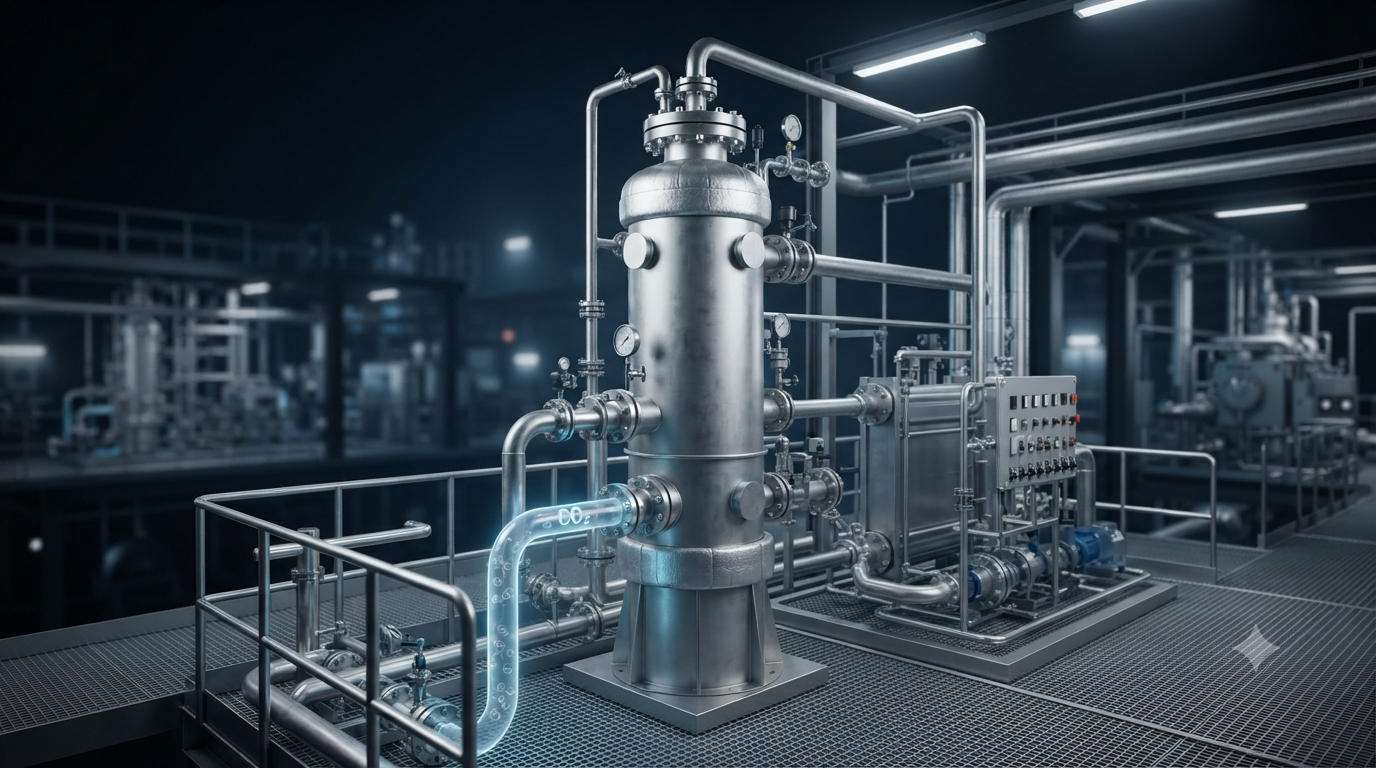
CO2-to-olefins technology follows a different route. Instead of treating carbon dioxide as waste, producers capture it from industrial emissions or direct air capture systems before converting it into useful chemical intermediates.
The general process involves several stages.
Carbon dioxide is captured from industrial exhaust streams or dedicated carbon capture facilities.
Hydrogen, ideally produced using renewable electricity through water electrolysis, combines with the captured carbon dioxide.
Catalytic conversion transforms the resulting synthesis gas or methanol intermediates into valuable olefins.
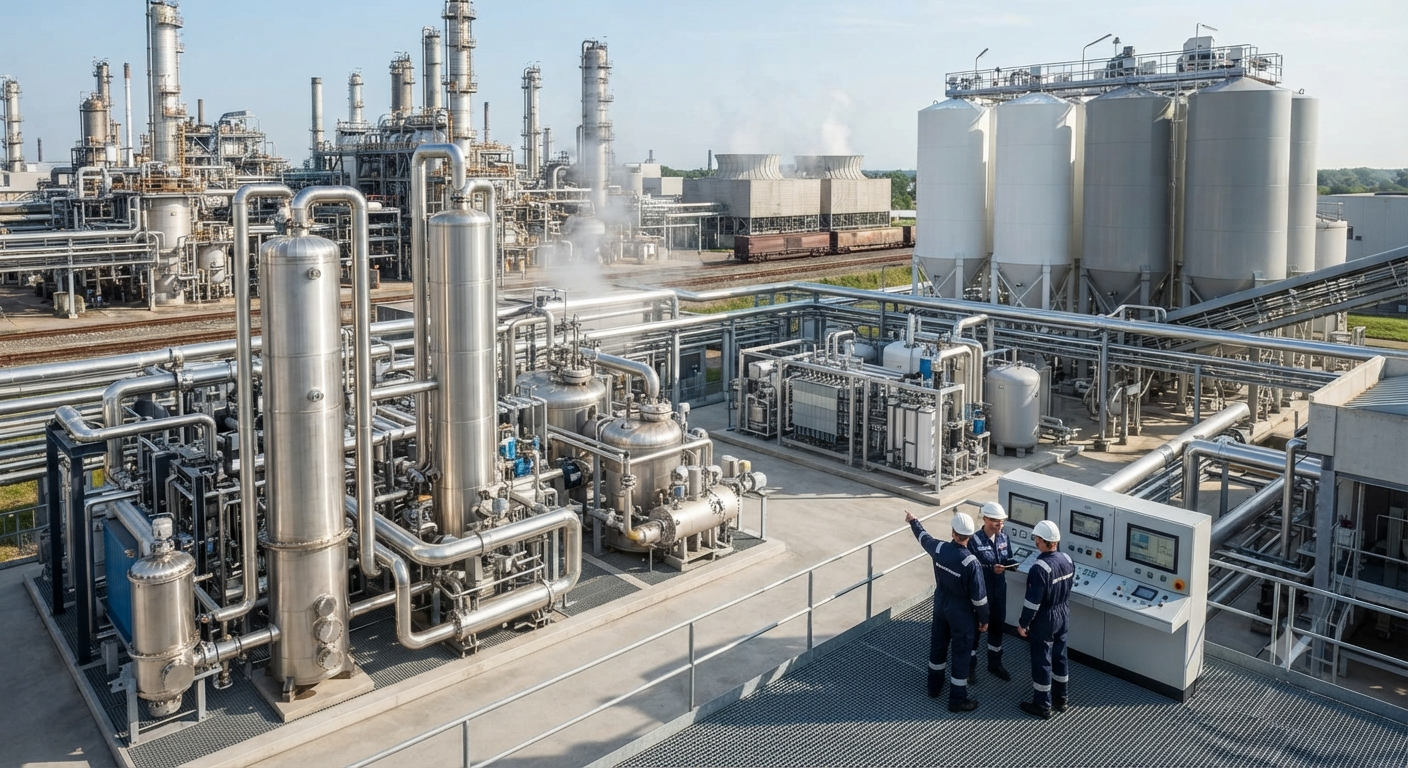
These olefins enter existing polymer production facilities with minimal changes to downstream manufacturing.
This approach allows chemical companies to reduce dependence on virgin fossil carbon while maintaining compatibility with current production infrastructure.
Why Chemical Companies Are Investing in CCU
Carbon capture utilisation has evolved from a sustainability initiative into a commercial strategy.
Governments continue expanding carbon reduction policies while customers increasingly request lower-carbon materials across packaging, automotive and consumer products. These market pressures encourage producers to explore alternative feedstocks that reduce lifecycle emissions without sacrificing product performance.
Several additional factors support investment.
Carbon becomes a raw material instead of a waste stream. Industrial emissions gain economic value through chemical conversion.
Existing polymer markets remain enormous. Demand for polyethylene and polypropylene continues to grow despite increasing recycling efforts.
Many production assets can integrate new feedstocks without replacing downstream polymerisation equipment.
Companies diversify feedstock exposure beyond traditional oil and natural gas markets.
Rather than replacing conventional petrochemical production overnight, CCU offers another pathway that improves supply flexibility over the coming decade.
From Captured Carbon to Polymer Feedstocks
One of the most attractive features of CO2-derived olefins is that the resulting molecules remain chemically identical to conventionally produced olefins.
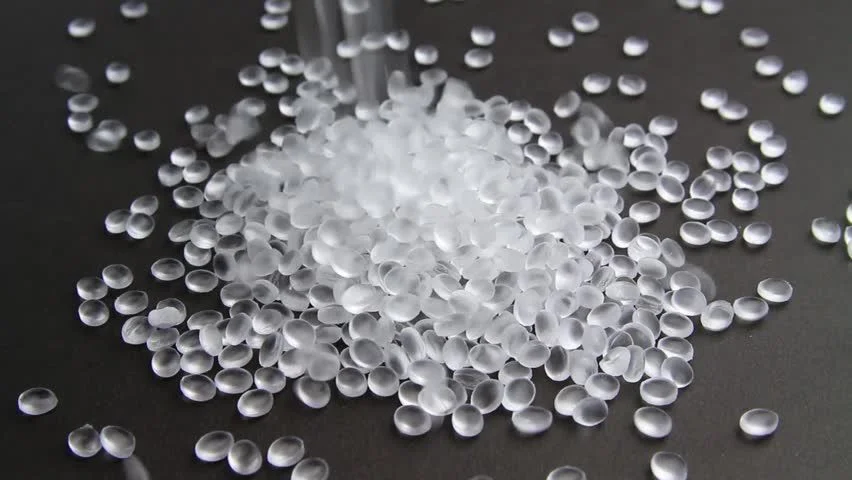
A polyethylene resin manufactured from captured carbon performs the same as one produced from fossil feedstocks. The difference lies in how the carbon entered the production chain rather than the polymer's physical properties.
This compatibility provides several commercial advantages.
Manufacturers can continue using established polymer processing equipment, quality standards and customer specifications. Packaging converters, moulders and industrial processors avoid costly equipment modifications while benefiting from materials with lower embedded carbon footprints.
The production pathway typically follows this sequence.
Captured carbon dioxide combines with renewable hydrogen to produce synthesis gas or methanol. Advanced catalysts then convert these intermediates into ethylene and propylene. Polymer manufacturers finally transform these olefins into widely used materials including polyethylene, polypropylene and other derivative products.
Because these downstream polymers remain fully compatible with existing manufacturing systems, procurement teams can evaluate sustainability improvements without introducing unfamiliar material performance risks.
Renewable Hydrogen Plays a Critical Role
Although carbon dioxide receives most of the attention, renewable hydrogen largely determines the environmental value of the entire process.
If producers generate hydrogen using fossil fuels without effective carbon management, much of the emissions advantage disappears. When renewable electricity powers electrolysis, however, the resulting hydrogen significantly lowers the carbon footprint of CO2 conversion.
This creates an important connection between several rapidly expanding industries.
Chemical producers increasingly monitor developments in renewable power generation, hydrogen infrastructure and carbon capture capacity together rather than treating each sector independently. Progress in one area directly influences the commercial viability of CO2-to-olefins production.
For procurement professionals, this means future polymer availability may depend not only on oil and gas markets but also on renewable electricity pricing, hydrogen production capacity and regional carbon capture infrastructure.
Global Investment Momentum Behind CO2-to-Olefins
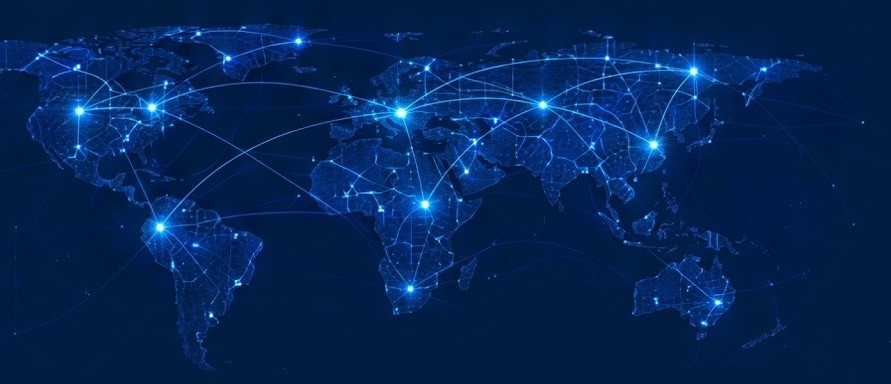
Chemical companies increasingly view CCU as a long-term competitiveness strategy rather than a standalone environmental project. Investments announced throughout 2026 reflect broader efforts to reduce lifecycle emissions while preparing for stricter carbon regulations and growing customer expectations.
Several trends continue driving investment decisions.
Net-zero commitments encourage producers to lower emissions across the entire chemical value chain rather than focusing only on manufacturing efficiency.
Carbon pricing mechanisms improve the financial case for converting captured carbon into valuable products instead of releasing it into the atmosphere.
Brand owners seek lower-carbon plastics that help meet corporate sustainability targets without changing product performance.
Governments continue supporting demonstration plants through grants, tax incentives and industrial decarbonisation programmes.
Although large-scale commercial production remains limited today, each successful demonstration project improves confidence in future deployment.
Challenges That Still Limit Commercial Scale
Despite strong investment activity, CO2-to-olefins technology has not yet reached widespread commercial adoption. Several technical and economic challenges remain before it can compete directly with conventional petrochemical production.
The largest obstacle is cost. Renewable hydrogen remains significantly more expensive than hydrogen produced from fossil fuels in many regions, making overall production costs highly sensitive to electricity prices.
Other commercial considerations include:
Carbon capture infrastructure remains concentrated in a limited number of industrial clusters.
Catalysts continue improving, but higher conversion efficiency is necessary to reduce operating costs.
Large volumes of renewable electricity are required to support economically viable hydrogen production.
Supply chains must coordinate carbon capture, hydrogen generation and chemical manufacturing across multiple industries.
As renewable energy costs continue declining, many analysts expect these barriers to become less significant over the next several years.
What This Means for Polymer Procurement Teams
Procurement professionals should not expect conventional polymer markets to change overnight. Instead, CO2-derived feedstocks are likely to appear first as premium low-carbon product grades before expanding into broader commercial markets.
Early adoption will probably occur in industries where sustainability carries measurable commercial value.
These include:
Consumer packaging companies seeking lower-carbon packaging materials.
Automotive manufacturers reducing embedded vehicle emissions.
Electronics producers pursuing more sustainable component sourcing.
Global consumer brands responding to environmental commitments across their supply chains.
Buyers should also expect increasing requests for product carbon footprint documentation alongside traditional specifications such as melt flow index, density and mechanical performance.
As availability expands, procurement teams may evaluate suppliers using additional criteria including renewable energy sourcing, carbon capture capacity and verified lifecycle emissions.
Looking Ahead to 2027
The transition toward lower-carbon chemicals will involve multiple technologies rather than a single solution. Mechanical recycling, chemical recycling, biomass feedstocks and carbon capture utilisation will likely develop together, each serving different applications.
CO2-to-olefins represents one of the most promising options because it works within existing polymer manufacturing systems while reducing dependence on virgin fossil carbon. Continued advances in catalyst design, renewable hydrogen production and carbon capture efficiency will determine how quickly the technology reaches commercial maturity.
For chemical buyers, the opportunity lies in monitoring these developments early. Companies that understand emerging feedstock technologies can build more resilient sourcing strategies, diversify supplier relationships and prepare for evolving customer expectations around sustainability.
Ready to source Polyethylene Terephthalate (PET) from verified global suppliers? Explore competitive offers on our platform today.