Coking Coal Outperformance Signals Persistent Feedstock Tightness in China
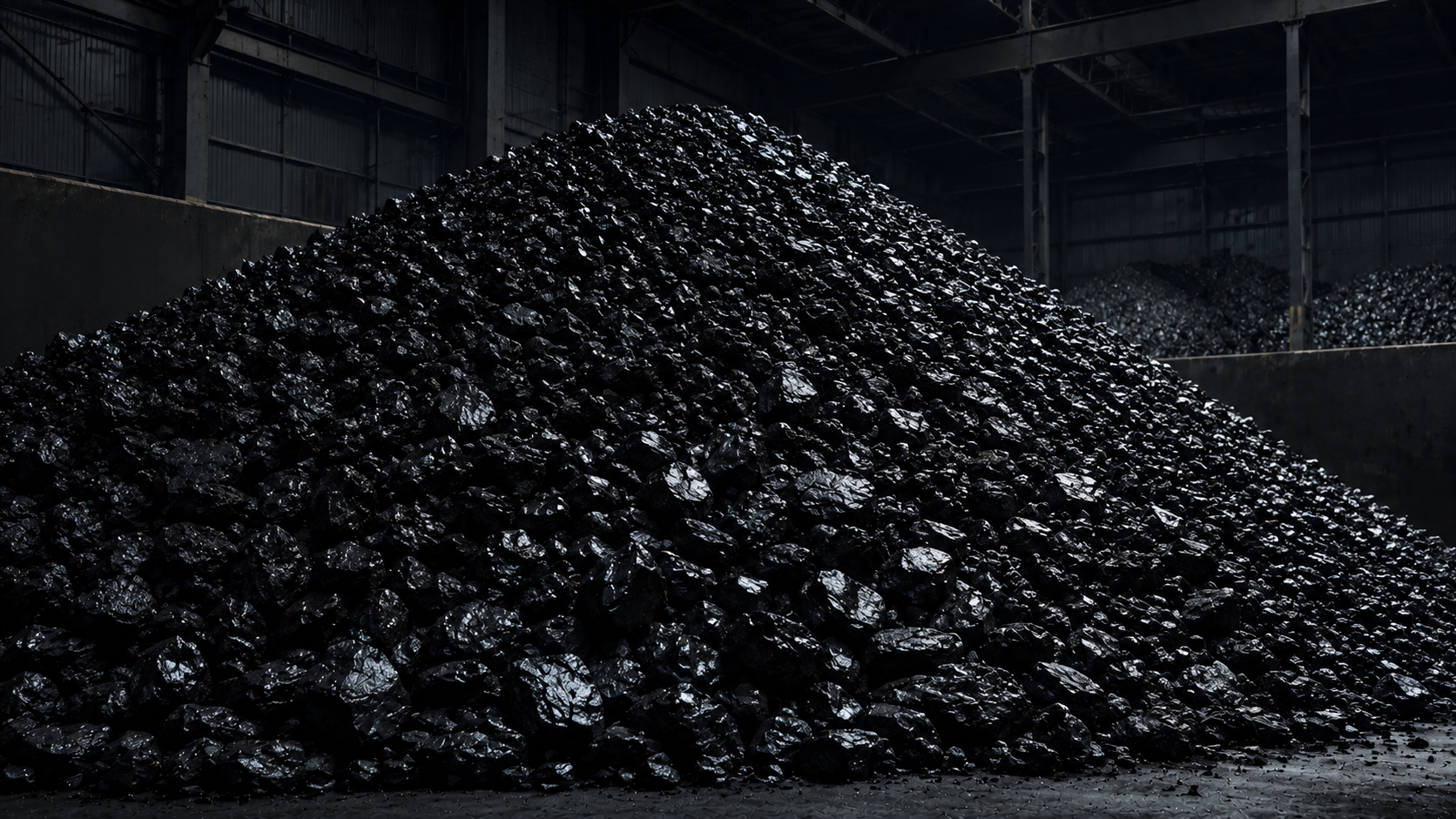
Coking coal is outperforming broader steel products in China, sending a clear signal that raw material tightness remains a major force in the industrial market. The strength of coking coal points to persistent supply constraints that are also lifting costs across coal-linked petrochemical feedstocks.
For steelmakers, traders and procurement teams, the market signal matters beyond the price of coal itself. When a critical feedstock outperforms finished steel products, it can indicate that upstream supply pressure is becoming more severe than downstream demand weakness.
Why Coking Coal Is Outperforming Steel Products
Coking coal plays a central role in the production of coke, which supports the blast furnace steelmaking process. Its performance therefore directly affects the cost structure of major steel producers and can influence purchasing decisions across the broader metals supply chain.
The current outperformance suggests that supply constraints are having a stronger impact on coking coal than broader steel market conditions are having on finished products. Buyers may face a market where raw material costs remain firm even when steel demand does not deliver an equally strong recovery.
Several factors can reinforce this pattern:
Restricted availability: When supply growth fails to match consumption requirements, buyers compete for fewer cargoes and domestic supplies.
Limited substitution: Steel producers cannot easily replace high-quality coking coal without affecting coke quality, furnace efficiency or operating economics.
Upstream cost pressure: Higher coal costs can feed into coke production and eventually affect steelmaking margins.
For chemical traders, the development also matters because coal remains connected to several industrial feedstock chains. A tighter coal market can raise the cost base for businesses that depend on coal-derived materials and energy-intensive production.
China’s Feedstock Market Faces Broader Cost Pressure
The tightness in coking coal is extending into coal-linked petrochemical feedstock costs, creating a more complex procurement environment for industrial buyers. The issue does not stop with the direct cost of the raw material.
When upstream feedstock prices remain elevated, producers may attempt to protect margins through higher offer prices, reduced spot availability or tighter contract terms. These changes can affect chemical buyers even when their immediate purchasing need does not involve coal.
The pressure can reach several areas of the value chain:
Production economics: Higher feedstock costs can raise the cost of manufacturing downstream industrial chemicals.
Supplier pricing: Producers may adjust offers more frequently as raw material replacement costs change.
Inventory strategy: Buyers may hold more stock when they expect supply tightness to persist.
Trade flows: Importers may look for alternative origins or additional suppliers to reduce dependence on a constrained market.
This creates a market where procurement teams need to watch raw material indicators alongside the prices of the chemicals they directly purchase.
What Persistent Supply Constraints Mean for Industrial Buyers
Persistent tightness changes the way buyers should approach sourcing. A procurement team that focuses only on the current offer price may miss the larger risk created by limited availability.
The key concern is not simply whether coking coal remains expensive. It is whether supply constraints continue long enough to influence production costs, supplier behaviour and regional trade flows.
For buyers, the most important questions include:
Is the supplier relying on stable domestic feedstock access?
Can the producer maintain regular shipment volumes if raw material availability tightens further?
Does the supplier have access to alternative feedstock sources?
How quickly can the supplier revise prices if upstream costs increase?
Are current inventories sufficient to cover delays or unexpected supply disruptions?
A strong procurement strategy should evaluate both price and availability. In a tight market, the lowest quotation may not provide the best commercial outcome if the supplier cannot maintain consistent delivery.

Coking Coal Tightness Could Keep Pressure on Steel Margins
The relationship between coking coal and steel creates an important margin challenge. If raw material costs rise faster than steel prices, producers may experience pressure on profitability.
Steelmakers can respond in different ways depending on market conditions. Some may attempt to raise steel prices, while others may reduce production rates, adjust purchasing volumes or seek more competitive feedstock arrangements.
The impact can vary across product categories. High-quality coking coal may command stronger buyer interest because steel producers need specific characteristics to maintain efficient coke production and blast furnace operations.
That creates a potential divergence between:
The price of raw materials needed for production
The price of finished steel products
The cost of energy and transportation
The ability of producers to pass higher costs to customers
When these elements move in different directions, procurement teams face greater difficulty forecasting landed costs and negotiating long-term supply agreements.
Coal-Linked Petrochemical Feedstocks Add Another Layer of Risk
The current market signal extends beyond the steel sector because coal and petrochemical feedstocks can be linked through industrial production networks. Tightness in coal-related raw materials can contribute to higher costs for certain chemical production routes.
This matters particularly for buyers who depend on products exposed to energy-intensive manufacturing or coal-derived feedstock economics. Even when a chemical does not move directly with coking coal, upstream cost pressure can influence producer margins and offer levels.
Buyers should therefore monitor:
Raw material availability in China
Producer operating rates
Domestic and export supply conditions
Feedstock replacement costs
Freight and logistics conditions
Supplier inventory levels
These indicators can provide early warning of price pressure before it appears in the final chemical quotation.
How Traders Can Respond to a Tight Feedstock Market
Traders operating in a constrained market need to balance speed with discipline. Waiting for a lower price can create risk if supply tightness continues and replacement costs move higher.
A practical sourcing approach can include several actions:
Diversify supplier relationships: Build access to multiple qualified producers instead of relying on one source.
Compare origins: Alternative origins may provide a more stable cost structure when a single market faces persistent constraints.
Monitor replacement costs: The supplier's next production cost can matter more than the price of its current inventory.
Secure critical volumes early: Buyers with predictable consumption may benefit from planning purchases before availability becomes tighter.
Review contract flexibility: Price adjustment mechanisms should reflect the possibility of continued raw material volatility.
The objective is not to buy maximum inventory at any price. The objective is to protect supply continuity while maintaining enough flexibility to respond if market conditions change.
The China Market Remains Central to Feedstock Pricing Signals
China's industrial economy has a major influence on regional commodity pricing and chemical trade flows. When a key industrial raw material such as coking coal shows sustained strength, traders across related sectors pay close attention.
The market can transmit pressure through several channels. Domestic supply constraints may affect producer costs, while changing import economics can influence the availability of material for downstream users.
For international buyers, the most important issue is the potential difference between domestic market conditions and export availability. A supplier may face strong local demand, higher input costs or tighter inventories even when overseas buyers continue to seek competitive offers.
This makes supplier verification and regular market monitoring increasingly important. Buyers need visibility into production capacity, availability and expected shipment schedules rather than relying only on historical pricing patterns.
What the Coking Coal Signal Means for 2027 Procurement Planning
The current outperformance suggests that feedstock tightness could remain an important factor in procurement planning beyond short-term price movements. Buyers should prepare for a market where raw material constraints continue to influence chemical and steel-related costs.
For 2027 planning, procurement teams may want to focus on three priorities:
Build a broader supplier base. Multiple qualified sources can reduce exposure to sudden availability problems.
Improve cost visibility. Tracking upstream feedstock trends can help buyers anticipate changes in chemical offers.
Balance spot and contract purchasing. A flexible mix can provide supply security while preserving the ability to benefit from lower prices if market conditions ease.
The strongest procurement teams will treat coking coal performance as an upstream market signal rather than an isolated commodity development. Its relationship with steel production and coal-linked feedstocks makes it relevant to a wider range of industrial purchasing decisions.
The Bottom Line for Procurement Teams
Coking coal's outperformance of broader steel products highlights persistent supply tightness in China and raises the risk of continued upstream cost pressure. The effect can extend through coke production, steel margins and coal-linked petrochemical feedstocks.
For chemical traders, importers and industrial buyers, the market requires a sharper focus on supply security, supplier diversification and upstream cost trends. Procurement decisions based only on today's price may prove less effective than strategies that account for feedstock availability and replacement costs.
The key advantage will come from acting early, maintaining multiple sourcing options and monitoring the raw materials that shape supplier economics. Ready to source Coking Coal from verified global suppliers? Explore competitive offers on our platform today.
Carbon Black (N110) - India
Found this useful?