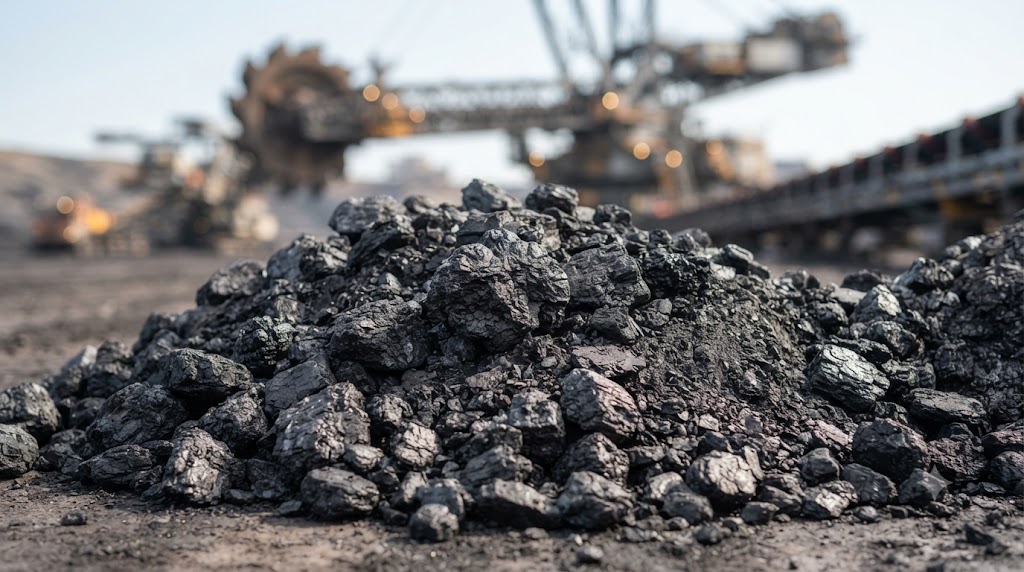
Coking Coal Outperforms Steel Products Amid Sustained Supply Constraints
Coking coal is currently outperforming broader steel products in the global commodities market. SunSirs reports that sustained supply constraints are driving this market divergence. This dynamic directly impacts coal-linked chemical production and procurement strategies in China. Buyers must recognize that raw material volatility now dictates downstream manufacturing viability. Procurement managers need to adjust their sourcing models to account for these persistent feedstock pressures. The intersection of energy markets and chemical manufacturing requires constant vigilance. Ignoring these macroeconomic signals invites severe operational disruptions.
Understanding the Coking Coal Supply Constraints
Domestic production limits and stringent safety inspections continue to restrict output. Chinese mining authorities enforce strict compliance measures that cap daily extraction volumes. This regulatory environment prevents rapid supply expansion even when demand remains robust.
Import volumes from traditional suppliers like Mongolia and Australia face logistical bottlenecks. Border crossing delays and railway capacity limits further tighten available inventory. These combined factors create a structural deficit in the coking coal market.
Environmental regulations also play a significant role in limiting production capacity. Facilities must invest heavily in emission control technologies to maintain operating licenses. Many smaller mines choose to halt operations rather than bear these compliance costs.
The resulting supply tightness keeps upward pressure on raw material prices. Steel mills and chemical plants must compete fiercely for limited available cargo. This competition ensures that coking coal maintains its premium valuation in the near term.
Global trade policies further complicate the availability of high-quality metallurgical coal. Tariffs and export quotas disrupt established supply chains unexpectedly. Buyers must monitor geopolitical developments closely to anticipate these regulatory shifts.
Impact on Coal-Linked Chemical Production
The chemical industry relies heavily on coal derivatives for various manufacturing processes. Facilities producing methanol and synthetic ammonia depend on stable coal feedstock availability. When coking coal prices surge, the entire cost structure of these chemical plants shifts upward.
Producers face severe margin compression as they cannot immediately pass costs to end buyers. Some facilities are forced to reduce operating rates to preserve capital. This output curtailment creates secondary supply shortages for downstream chemical buyers.
Inventory management becomes exceptionally difficult during these periods of price volatility. Procurement teams must balance the risk of overstocking against the threat of sudden stockouts. Holding excess inventory ties up critical working capital needed for other operations.
Conversely, delaying purchases exposes the organization to even higher spot market prices. Buyers must develop sophisticated forecasting models to navigate this narrow operational window. Accurate demand planning is the only reliable defense against margin erosion.
Quality consistency also suffers when producers rush to meet demand with alternative coal blends. Chemical reactions require precise feedstock specifications to maintain optimal yield. Deviations in coal quality can ruin entire production batches and damage expensive catalysts.
Divergence Between Steel and Chemical Feedstock Markets
Steel manufacturers are absorbing higher input costs while facing weak downstream demand. Construction and infrastructure projects have slowed, limiting their ability to raise finished product prices. This leaves steel mills with shrinking profit margins and reduced purchasing power.
Chemical producers operate in different demand cycles than the steel industry. Sectors like agriculture and specialty manufacturing maintain steady consumption levels regardless of macroeconomic headwinds. This divergence allows coal-linked chemical producers to maintain better pricing power than their steel counterparts.
Procurement teams must track these distinct market cycles carefully. Assuming uniform pricing behavior across all coal-consuming industries leads to flawed forecasting. Each sector reacts differently to supply shocks based on its specific end-market dynamics.
Understanding this divergence helps buyers identify the most resilient supply partners. Suppliers serving stable chemical markets are less likely to face sudden financial distress. This stability translates into more reliable delivery schedules and consistent product quality.
Financial analysts note that chemical companies are better positioned to weather this storm. Their diversified product portfolios provide a buffer against single-commodity price shocks. This financial health ensures they can honor long-term supply agreements even during market stress.
Logistics and Freight Cost Amplification
Transportation costs add another layer of complexity to the coking coal market. Rail freight rates have increased due to high demand and limited rolling stock availability. Trucking networks face similar capacity constraints and rising diesel expenses.
These logistics premiums embed themselves directly into the delivered price of chemical feedstocks. Buyers managing just-in-time inventory systems must account for these hidden costs. A stable ex-works price often masks significant freight surcharges.
Port congestion at major loading hubs further exacerbates these delivery delays. Vessels queue for extended periods, accumulating steep demurrage charges for importers. Procurement managers must maintain open communication with logistics providers to anticipate these bottlenecks.
Weather events frequently disrupt inland transportation networks during critical shipping windows. Heavy rainfall or snow can halt rail operations for days at a time. Buyers must build additional time buffers into their delivery schedules to accommodate these natural delays.
Evaluating Alternative Feedstock and Processing Routes
Chemical producers are actively exploring alternative processing routes to bypass expensive infrastructure. Some facilities are investing in localized production capabilities. This reduces their reliance on long-distance maritime imports.
Others are securing dedicated supply contracts with regional manufacturers. These partnerships minimize transit distances and lower the overall carbon footprint. Buyers should inquire about these resilience investments during supplier audits.
Facilities with robust local supply chains represent lower logistical risk. This due diligence step is critical for maintaining uninterrupted production. Downstream manufacturers rely on consistent chemical deliveries to maintain their own production schedules.
Evaluating bio-based or recycled chemical alternatives also helps mitigate risk. These products often have shorter and more transparent supply chains. They provide a viable hedge against maritime routing volatility and price spikes.
Strategic Sourcing Adjustments for Procurement Teams
Chemical buyers must adapt their strategies to navigate this volatile feedstock environment. Relying on historical pricing models invites severe financial exposure. Proactive diversification provides essential protection against supply shocks.
Diversify supplier geography. Qualify alternative sources in regions with stable extraction policies. This reduces exposure to single-market regulatory shocks.
Negotiate flexible contract terms. Avoid rigid long-term fixed pricing during volatile periods. Index-linked agreements allow costs to adjust fairly based on market realities.
Build strategic inventory buffers. Holding extra stock protects against sudden supply disruptions. The carrying cost is often lower than the expense of a production halt.
Evaluate alternative feedstocks. Consider different chemical grades that may offer better availability or pricing. Technical validation of substitute materials can unlock new sourcing avenues.
Collaborative forecasting with key suppliers becomes essential during extreme volatility. Sharing demand projections helps producers allocate scarce feedstock more efficiently. This transparency builds trust and secures priority access during allocation periods.
What Buyers Should Do Now
The sustained outperformance of coking coal signals a fundamental shift in raw material markets. Procurement professionals must not assume this trend will reverse quickly. Secure necessary volumes through reliable channels immediately.
Engage suppliers in transparent discussions about future production plans. Verify their capacity commitments to ensure consistent delivery. Diversify your sourcing base to mitigate regional risks.
Building resilience into your procurement strategy ensures operational continuity despite market fluctuations. The organizations that adapt quickly to these macroeconomic shifts will secure a lasting competitive advantage.
Ready to source Methanol from verified global suppliers? Explore competitive offers on our platform today.

Methanol
Found this useful?