
Concrete Admixtures: Types, Applications and Buyer Considerations
Concrete admixtures help manufacturers and construction companies modify the properties of concrete to meet specific project requirements. Added during batching or mixing, these materials can improve workability, control setting time, reduce water demand and support the durability of hardened concrete. Their selection depends on the concrete mix design, construction environment and performance requirements of the finished structure.
Concrete admixtures are particularly important in modern construction, where projects may involve complex structural designs, large concrete pours, demanding placement conditions and strict quality specifications. Choosing the right product can help contractors manage concrete performance during transportation, placement and curing. Buyers must therefore understand the available types, their applications and the technical factors that influence purchasing decisions.
1. What Are Concrete Admixtures?
Concrete admixtures are materials added to a concrete mixture in addition to its main ingredients, such as cement, water and aggregates. They modify selected properties of fresh or hardened concrete to support particular construction requirements.
Manufacturers generally classify admixtures into two broad groups: chemical admixtures and mineral admixtures. Chemical admixtures influence properties such as workability, air content and setting behaviour. Mineral admixtures, including fly ash, silica fume and ground-granulated blast-furnace slag (GGBS), can contribute to cementitious or pozzolanic reactions and modify concrete performance.
The choice of admixture depends on the intended result. A contractor working on a large foundation pour may need a retarding admixture to maintain workability for longer. A manufacturer producing high-performance concrete may use a superplasticizer to achieve greater flowability while managing the water content.
Admixtures should complement a properly designed concrete mix. They cannot replace suitable material proportions, effective mixing, correct placement or appropriate curing practices. Their performance also depends on the cement, aggregates, temperature and other materials used in the mixture.
2. Major Types of Concrete Admixtures and Their Functions
Different admixtures address different challenges in concrete production and construction. Buyers should understand their primary functions before comparing available products.
Water-Reducing Admixtures
Water-reducing admixtures, also called plasticizers, reduce the amount of mixing water required to achieve a specified level of workability. They can also improve the flow of concrete without increasing its water content.
Reducing water demand can help manufacturers manage the water-to-cementitious-material ratio, which influences concrete strength and durability. These admixtures are used in ready-mix concrete, precast components and general structural applications.
Superplasticizers
Superplasticizers are high-range water reducers that provide a substantial increase in concrete flowability or allow a greater reduction in water demand. They are useful when manufacturers need highly workable concrete without adding unnecessary water.
These products are commonly used in high-performance concrete, densely reinforced structures, precast manufacturing and applications where concrete must flow through restricted spaces. Polycarboxylate ether (PCE) technology is widely used in modern superplasticizer formulations.
Retarding Admixtures
Retarding admixtures slow the setting process and extend the time available for transporting, placing and finishing concrete. They are particularly useful in hot weather, long-distance transportation and projects involving large or continuous pours.
By delaying setting, retarders can help reduce the risk of concrete becoming difficult to handle before placement is complete. However, buyers must consider the required setting time and test the product under actual project conditions.
Accelerating Admixtures
Accelerating admixtures increase the rate of setting or early-strength development, depending on the product formulation. They can support construction activities that require faster early performance or shorter waiting periods before subsequent operations.
These admixtures are used in selected precast applications, repair work and construction under cooler conditions. Buyers should check whether a product accelerates setting, early strength development or both, as these functions are not identical.
Air-Entraining Admixtures
Air-entraining admixtures introduce a controlled system of small air bubbles into concrete. These bubbles can improve resistance to damage caused by repeated freezing and thawing, while also influencing the workability of fresh concrete.
They are particularly relevant to concrete exposed to freeze-thaw conditions and de-icing salts. The required air content depends on the concrete design and exposure conditions, so manufacturers must control and verify it during production.
Special-Purpose Chemical Admixtures
Some products address specific performance requirements rather than general workability or setting control. These include corrosion inhibitors, shrinkage-reducing admixtures, viscosity-modifying agents and permeability-reducing products.
Corrosion inhibitors help protect embedded steel reinforcement in certain exposure environments. Viscosity-modifying agents can improve mixture stability, while shrinkage-reducing products help manage drying-related volume changes. Selection depends on the project's technical specifications and the manufacturer's performance data.
3. Mineral Admixtures and Their Role in Concrete Production
Mineral admixtures are finely divided materials incorporated into concrete to influence its fresh and hardened properties. Many are supplementary cementitious materials that can contribute to the binder system through hydraulic or pozzolanic activity.
Fly Ash
Fly ash is a by-product collected from certain coal-fired power generation processes. Suitable grades can contribute to concrete workability and long-term performance when incorporated into an appropriate mix design.
It is used in various ready-mix and infrastructure applications. Its suitability depends on its source, chemical composition, fineness and compliance with the relevant project specifications.
Silica Fume
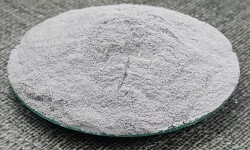
Silica fume is a highly reactive, finely divided material used in specialized concrete formulations. It can improve the density of the cementitious matrix and help reduce permeability when properly proportioned.
It is commonly considered for high-performance concrete, industrial floors, bridges and structures exposed to demanding environmental conditions. It's fine particle size also increases the importance of effective mixing and workability control.
Ground-Granulated Blast-Furnace Slag
GGBS is produced by processing granulated blast-furnace slag from iron production. It can replace a portion of Portland cement in suitable concrete mixtures and contribute to strength development and durability.
Construction projects may use GGBS-containing blends where specifications support its use. Buyers should assess the material's grade, consistency and compatibility with the selected cement and chemical admixtures.
Mineral admixtures should not be treated as interchangeable products. Each material has different characteristics and may affect setting behavior, early strength, workability and long-term performance differently.
4. Applications of Concrete Admixtures Across Construction
Concrete admixtures support a wide range of construction activities. The appropriate product depends on the structure, placement method, environmental exposure and required concrete properties.
Residential and Commercial Buildings
Building projects use admixtures in foundations, columns, beams, slabs and reinforced concrete structures. Water reducers and superplasticizers can improve workability and help contractors place concrete around reinforcement.
Retarders may also be useful when transportation or placement takes longer than expected. The selected product must remain compatible with the approved mix design and project requirements.
Roads, Bridges and Infrastructure
Infrastructure projects often require concrete that can withstand repeated loading, moisture exposure and changing environmental conditions. Admixtures can help manage workability, water demand and durability characteristics.
Air-entraining products are relevant in freeze-thaw environments, while corrosion inhibitors may be considered for reinforced concrete exposed to chloride-related corrosion risks. Mineral admixtures can also form part of suitable infrastructure concrete formulations.
Precast Concrete Manufacturing
Precast manufacturers produce concrete components in controlled factory environments before transporting them to construction sites. Production efficiency and predictable strength development are important considerations.
Superplasticizers can improve flow and support the production of complex molded components. Accelerating admixtures may also be considered where faster early-strength development supports the manufacturing schedule.
Ready-Mix Concrete
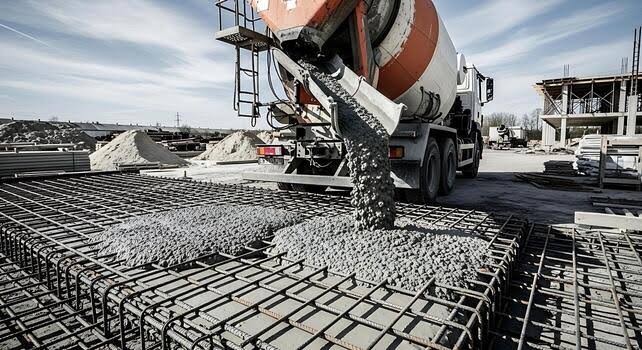
Ready-mix concrete producers supply prepared concrete to construction sites. The material may travel different distances and experience changing weather and traffic conditions before placement.
Water reducers, superplasticizers and retarders can help producers manage workability and setting behaviors during transportation. Consistent product performance is particularly important for maintaining quality across multiple batches.
5. Important Buyer Considerations When Sourcing Concrete Admixtures
Selecting a concrete admixture requires buyers to assess more than its advertised function. Product specifications, compatibility, supplier reliability and project conditions all influence purchasing decisions.
Technical Specifications and Standards
Buyers should request the technical data sheet (TDS) and safety data sheet (SDS) for each product. These documents provide information about product characteristics, recommended applications, handling precautions and storage requirements.
Relevant standards also help buyers evaluate product suitability. ASTM C494/C494M classifies several chemical admixture types, including water reducers, retarders, accelerators and high-range water reducers. ASTM C260/C260M covers air-entraining admixtures for concrete.
The applicable standard should match the project specification and intended product function. Buyers should confirm the required edition and acceptance criteria with the project team rather than relying on a general product description.
Compatibility With Cement and Other Materials
An admixture that performs well in one concrete formulation may produce different results in another. Cement composition, supplementary cementitious materials, aggregates, water quality and other admixtures can influence its performance.
Buyers should request compatibility information from suppliers and arrange trial batches using the actual project materials. This is particularly important when combining multiple admixtures or changing the cement source.
Dosage and Performance Testing
The recommended dosage depends on the product, mix design and required concrete properties. Using more admixture does not automatically produce better results.
Incorrect dosage can affect setting time, air content, workability and strength development. Buyers should follow the supplier's technical guidance and verify performance through appropriate testing before approving a product for full-scale use.
Supplier Reliability and Documentation
A reliable supplier should provide consistent product quality, clear documentation and dependable delivery arrangements. Buyers should review batch consistency, manufacturing information and the supplier's ability to meet project quantities.
Technical support is also valuable when a project requires formulation adjustments or troubleshooting. Suppliers that can explain product limitations and provide relevant testing information can help buyers make more informed decisions.
Storage, Packaging and Supply Conditions
Concrete admixtures may be supplied in drums, intermediate bulk containers or bulk deliveries, depending on the product and purchasing volume. Buyers should confirm packaging suitability, storage temperature requirements, shelf life and handling instructions.
They should also consider transportation arrangements and delivery schedules, particularly when the construction project depends on continuous concrete production. Poor storage or unsuitable handling can affect product quality before it reaches the batching plant.
6. Market Trends and Changing Requirements in Concrete Admixtures
The concrete admixture market continues to develop alongside changes in construction methods, infrastructure investment and demand for improved material performance. Buyers increasingly evaluate products based on their ability to support workability, durability, production efficiency and project-specific specifications.
One important area is the use of advanced superplasticizers. Modern formulations, including PCE-based products, help concrete producers achieve high flowability and manage water demand in complex mix designs.
Sustainability is another consideration. Construction companies and concrete manufacturers are exploring suitable supplementary cementitious materials, including fly ash, silica fume and GGBS, to modify binder systems and reduce reliance on Portland cement where project specifications permit.
Manufacturers are also paying closer attention to compatibility and quality control. Changes in cement sources or supplementary materials can influence admixture performance, making trial batching and technical evaluation important parts of procurement.
For suppliers, these developments create opportunities to provide consistent products, reliable documentation and technical support. Buyers who evaluate both product performance and supply reliability can make better-informed purchasing decisions.
7. Making Informed Concrete Admixture Purchasing Decisions
Concrete admixtures support modern construction by modifying the properties of fresh and hardened concrete. Water reducers, superplasticizers, retarders, accelerators and air-entraining agents address different production and performance requirements, while mineral admixtures can contribute to the concrete's binder system.
The right selection depends on the project design, environmental conditions, material compatibility and required performance. Buyers should review technical documentation, confirm relevant standards, conduct suitable trials and assess supplier reliability before making procurement decisions.
A well-evaluated purchasing process helps concrete manufacturers and construction companies maintain product consistency, manage project requirements and support reliable construction outcomes.
Fumed Silica
Found this useful?