Covestro Commits to a 660,000-Tonne MDI Plant in Shanghai
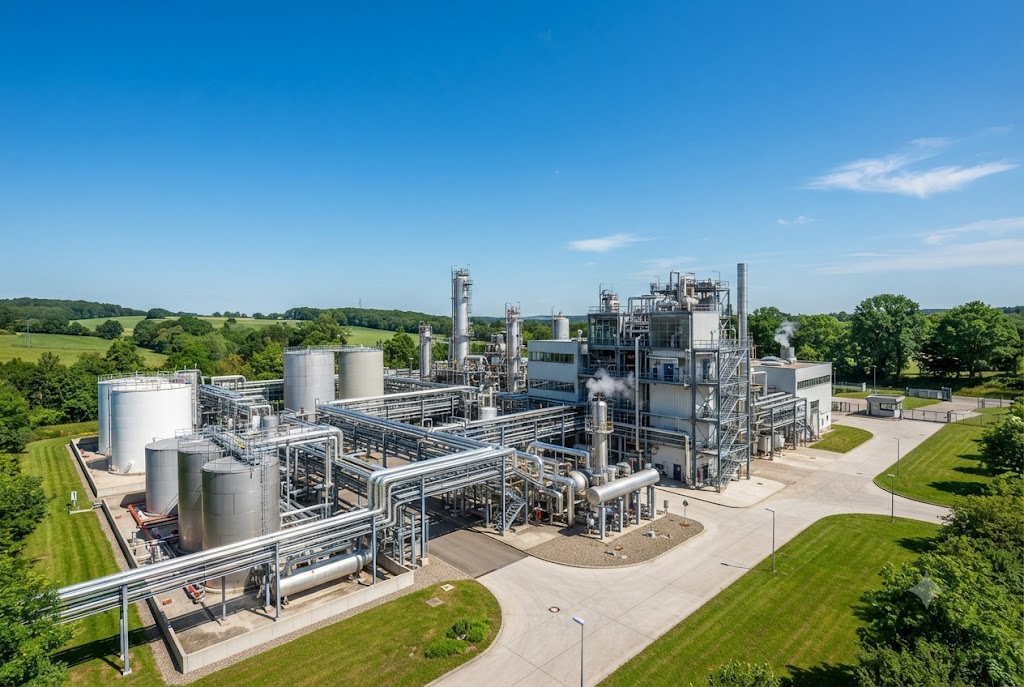
The global polyurethane supply chain is set for a massive capacity addition as Covestro officially commits to a new MDI plant in Shanghai. The company announced plans to build a new production train with 660,000 metric tons per year of capacity at its existing Chinese site. This strategic expansion targets a startup by the end of the decade. Procurement managers and chemical traders must immediately evaluate the implications of this major investment. Methylene diphenyl diisocyanate serves as the foundational building block for rigid and flexible foams. Buyers relying on this critical intermediate need to anticipate shifts in regional availability and pricing dynamics. Understanding the scale of this expansion allows sourcing teams to build resilient contingency plans. Ignoring this structural shift exposes organizations to unexpected supply bottlenecks and altered market leverage. Strategic agility remains essential for navigating these shifting investment priorities.
The Scale of the Shanghai MDI Expansion
Covestro’s decision to add 660,000 metric tons per year represents a massive commitment to the Asian market. This single production train will significantly boost the company's total global capacity. The Shanghai site already serves as a critical hub for the company's polyurethane operations.
The targeted startup by the end of the decade provides a clear timeline for market planning. Buyers can anticipate this new volume entering the market within the next five to six years. This long lead time allows procurement teams to adjust their long-term sourcing strategies accordingly.
Building a world-class MDI facility requires immense capital and specialized engineering. Covestro is leveraging its existing infrastructure in Shanghai to optimize construction efficiency. This brownfield expansion reduces regulatory hurdles and accelerates the development timeline compared to greenfield projects.
Impact on Global Polyurethane Supply Chains
The addition of this massive capacity will reshape global trade flows for isocyanates. Asia currently represents the fastest-growing market for polyurethane applications. This includes insulation materials, automotive components and consumer goods.
Procurement teams must anticipate a shift in regional pricing dynamics. Increased local production in China reduces the region's reliance on imported MDI volumes. This localization strategy lowers freight costs and shortens lead times for Asian buyers.
However this expansion also intensifies global competition. Other major producers may face pricing pressure as Covestro captures a larger market share. Buyers should monitor how competing manufacturers respond to this capacity addition.
Increased availability of MDI for downstream foam manufacturers in Asia. This supports the rapid growth of the regional construction and automotive sectors.
Potential downward pressure on spot market prices as supply tightens globally but expands locally in China.
Enhanced supply security for regional buyers. Local production mitigates the risks associated with international shipping disruptions.
Strategic Rationale Behind the Investment
Covestro is positioning itself to capture long-term growth in emerging markets. The Chinese government continues to prioritize energy-efficient building materials. Rigid polyurethane foam remains the gold standard for thermal insulation.
The company also aims to strengthen its position in the automotive sector. Lightweight polyurethane components help electric vehicles achieve greater range. This aligns perfectly with China's aggressive push toward electric mobility.
Investing in the Shanghai site demonstrates a firm commitment to the Asian market. Covestro is betting on sustained demand growth despite broader macroeconomic uncertainties. This confidence signals a positive long-term outlook for the regional polyurethane industry.
Procurement professionals should view this as a stabilizing factor for regional supply. A major player committing to local production provides reliability that spot market purchases cannot match.
Navigating the End-of-Decade Timeline
A startup targeted for the end of the decade introduces specific planning challenges. Procurement managers cannot rely on this new capacity for immediate supply relief. Contracts negotiated today must account for the multi-year gap before this volume becomes available.
Buyers should prioritize suppliers with existing operational capacity to meet near-term needs. Relying on future project announcements introduces significant execution risk. Construction delays or regulatory hurdles can easily push back startup dates.
Maintaining open communication with Covestro representatives is crucial during this development phase. Procurement teams should request regular updates on construction progress and commissioning schedules. This transparency helps align internal production forecasts with external supply realities.

Propylene Oxide
Found this useful?