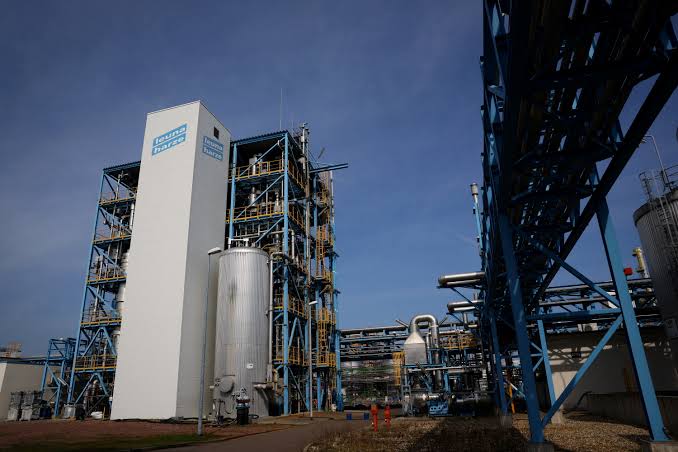
Covestro's AdiP Technology Anchors Its Shanghai MDI Expansion
Covestro's AdiP Technology Anchors Its Shanghai MDI Expansion
Covestro is strengthening its position in the global polyurethane market by deploying its proprietary AdiP technology at a new methylene diphenyl diisocyanate (MDI) production facility in Shanghai.
The investment is more than a capacity expansion.
It demonstrates how proprietary process technology is becoming a key competitive advantage in specialty and commodity chemicals alike.
Rather than competing solely through production volume, chemical manufacturers are increasingly differentiating themselves through lower energy consumption, improved process efficiency and reduced environmental impact.
For Covestro, integrating AdiP technology into one of its largest manufacturing sites supports both operational competitiveness and long-term sustainability objectives.
For customers, the project signals continued investment in reliable regional MDI supply while potentially lowering the environmental footprint of production.
MDI Remains a Critical Polyurethane Feedstock
MDI is one of the world's most important isocyanates and serves as a core building block for polyurethane materials.
Its applications extend across numerous industries, including:
Building insulation
Refrigeration systems
Automotive components
Furniture
Footwear
Industrial equipment
Appliances
CASE applications
Demand continues to be supported by urbanization, energy-efficient buildings, electric vehicles and advanced industrial manufacturing.
Because MDI is used in both rigid and flexible polyurethane systems, capacity investments influence multiple downstream value chains.
Shanghai Is a Strategic Manufacturing Hub
Covestro's Shanghai Integrated Site has become one of the company's most important production centers in Asia.
The location offers several strategic advantages:
Proximity to major manufacturing customers
Integrated chemical infrastructure
Established logistics networks
Skilled technical workforce
Access to regional export markets
Locating advanced MDI production in Shanghai allows Covestro to respond more quickly to growing Asian demand while reducing dependence on long-distance shipments from Europe or other production regions.
Regional manufacturing can also improve delivery reliability and shorten customer lead times.
Process Technology Is Becoming a Competitive Differentiator
Historically, chemical producers competed largely through production scale and feedstock access.
Today, manufacturing technology itself has become an increasingly important source of competitive advantage.
Advanced process technologies can improve:
Energy efficiency
Raw-material utilization
Product consistency
Process stability
Equipment productivity
Environmental performance
Companies investing in proprietary manufacturing systems can often lower operating costs without reducing product quality.
These advantages become increasingly valuable during periods of volatile energy prices and tighter environmental regulation.
AdiP Technology Focuses on Energy Efficiency
Covestro has stated that its proprietary AdiP technology significantly reduces the energy required to produce MDI.
Lower energy consumption creates multiple commercial benefits.
Potential advantages include:
Reduced manufacturing costs
Lower greenhouse gas emissions
Improved plant productivity
Better resource efficiency
Enhanced operating competitiveness
Energy represents one of the largest operating costs in many chemical production processes.
Incremental improvements in process efficiency can therefore generate meaningful long-term financial benefits while supporting sustainability objectives.
Lower Energy Consumption Supports Climate Goals
The chemical industry continues to face increasing pressure to reduce carbon emissions.
Manufacturing processes requiring less energy generally produce lower indirect emissions where electricity or steam generation depends on conventional fuels.
Although overall environmental performance depends on factors such as energy sources, feedstocks and plant operation, energy-efficient technologies represent one practical pathway toward lower-carbon production.
For producers, improved efficiency supports both environmental commitments and operating margins.
For customers, lower-carbon production may become increasingly important as supply-chain emissions receive greater scrutiny.
Heat Integration Improves Overall Efficiency
Modern chemical plants increasingly recover and reuse process heat rather than allowing valuable energy to be lost.
Advanced manufacturing technologies often incorporate:
Heat integration
Process optimization
Improved reaction control
Energy recovery systems
Digital process monitoring
By optimizing how energy flows through the manufacturing process, producers can reduce fuel consumption while maintaining production capacity.
Such improvements also reduce operating costs over the lifetime of the facility.
Asia Remains the Largest Growth Market
Asia continues to account for a substantial share of global polyurethane demand.
Growth is supported by:
Construction activity
Consumer goods manufacturing
Automotive production
Electronics
Industrial development
Infrastructure investment
China remains a particularly important market because it combines significant domestic demand with extensive downstream manufacturing capacity.
Expanding MDI production within the region positions Covestro closer to many of its largest customers.
Supply Security Benefits Regional Customers
Large-scale regional manufacturing reduces exposure to long-distance logistics disruptions.
Customers may benefit through:
Improved delivery reliability
Faster replenishment
Reduced transport complexity
Better inventory planning
Regional technical support
While supply-chain risks can never be eliminated entirely, geographically balanced manufacturing networks generally improve resilience.
The Shanghai expansion strengthens Covestro's ability to support customers throughout Asia-Pacific.
Sustainability Is Becoming a Purchasing Criterion
Industrial buyers increasingly evaluate suppliers using environmental as well as commercial criteria.
Procurement teams often consider:
Carbon reduction initiatives
Energy efficiency
Responsible manufacturing
Product consistency
Supply continuity
Regulatory compliance
Investments in lower-energy production technologies may therefore support supplier competitiveness beyond simple production economics.
Customers with corporate sustainability targets may increasingly prefer suppliers demonstrating measurable operational improvements.
Proprietary Technology Strengthens Competitive Position
Unlike publicly available manufacturing methods, proprietary technologies can create long-term differentiation.
Successful proprietary processes may offer:
Lower production costs
Better product yields
Reduced waste generation
Higher operational reliability
Faster process optimization
These advantages become difficult for competitors to replicate without similar technological development.
For Covestro, AdiP technology represents an intellectual property asset as well as a manufacturing improvement.
Digital Manufacturing Enhances Process Control
Advanced production technologies increasingly rely on digital monitoring systems.
Real-time process management can improve:
Reactor performance
Temperature control
Energy optimization
Equipment reliability
Predictive maintenance
Product quality
Digital manufacturing complements proprietary process technology by ensuring that operating conditions remain close to optimum performance.
This combination supports both productivity and operational safety.
MDI Demand Is Closely Linked to Energy Efficiency
Ironically, one of the largest markets for MDI is improving energy efficiency itself.
Rigid polyurethane insulation manufactured from MDI helps reduce heating and cooling energy consumption in buildings.
Applications include:
Insulated wall panels
Refrigeration equipment
Cold-storage facilities
Building envelopes
District energy systems
As governments continue promoting lower-energy buildings, long-term demand for polyurethane insulation materials is expected to remain supported.
This creates an additional strategic rationale for expanding efficient MDI production.
Operational Efficiency Can Offset Cost Pressures
Chemical producers continue facing pressure from:
Energy prices
Environmental regulation
Labor costs
Capital investment
Global competition
Reducing energy consumption provides one method of protecting profitability without increasing product prices.
Manufacturing innovation therefore becomes a strategic response to broader economic challenges rather than simply a sustainability initiative.
Competitors Are Pursuing Similar Improvements
Major global chemical companies continue investing in technologies that improve:
Energy efficiency
Carbon reduction
Process intensification
Circular production
Digital manufacturing
Competitive advantage increasingly depends on continuous innovation rather than one-time capital investment.
Companies unable to modernize production may face higher operating costs over time.
Customers Still Prioritize Reliability
Although sustainability receives increasing attention, customers continue placing high value on dependable supply.
Manufacturers purchasing MDI generally require:
Consistent quality
Stable specifications
Reliable delivery
Technical support
Long-term supply agreements
Production technology improvements should therefore enhance operational reliability alongside environmental performance.
Maintaining uninterrupted supply remains fundamental to customer confidence.
Capital Investment Signals Long-Term Commitment
Large chemical manufacturing facilities require substantial capital investment.
Expanding MDI production demonstrates confidence in long-term polyurethane demand despite short-term economic fluctuations.
Such projects also indicate that companies expect advanced materials to remain essential across industries including:
Construction
Automotive
Appliances
Renewable energy
Cold-chain logistics
Industrial manufacturing
Long investment horizons encourage companies to prioritize technologies capable of remaining competitive for decades.
Procurement Teams Should Monitor Capacity Growth
Chemical buyers should evaluate how the Shanghai expansion affects:
Regional supply availability
Contract opportunities
Lead times
Production flexibility
Sustainability reporting
Long-term pricing
Greater regional capacity may improve supply security while supporting more stable procurement planning.
Customers should also discuss whether lower-energy manufacturing contributes to corporate emissions reporting or supplier sustainability assessments.
Technology Investment Extends Beyond Capacity
The Shanghai project illustrates an important industry trend.
Modern chemical investments increasingly focus on both:
Production expansion
Manufacturing quality
Building larger plants alone no longer guarantees competitiveness.
Companies must also improve the efficiency with which those plants operate.
Technology therefore becomes embedded in every stage of the investment decision.
Innovation Supports Circular Economy Objectives
Although the expansion centers on MDI manufacturing, improved production efficiency complements broader circular economy initiatives.
Lower resource consumption supports:
Reduced emissions
Better resource productivity
Improved environmental performance
Long-term industrial sustainability
Future innovation may combine efficient manufacturing with greater use of renewable feedstocks and recycled raw materials.
The Broader Market Intelligence Lesson
Covestro's Shanghai investment reflects a wider transformation within the chemical industry.
The traditional investment model emphasized:
More capacity → greater production → larger market share
The emerging strategy adds another dimension:
Advanced process technology → lower energy use → improved sustainability → stronger competitiveness
Manufacturing excellence increasingly depends not only on how much a company produces but also on how efficiently it converts raw materials into finished products.
Final Takeaway
Covestro's deployment of proprietary AdiP technology at its Shanghai MDI facility demonstrates how process innovation is becoming a central driver of competitiveness in the global polyurethane industry.
By significantly reducing energy consumption, the company aims to strengthen manufacturing efficiency while supporting broader sustainability objectives.
For customers, the investment offers the prospect of improved regional supply reliability and lower-carbon production.
For procurement teams, the project reinforces the importance of evaluating suppliers not only by capacity and price but also by manufacturing technology and environmental performance.
For the broader chemical industry, the message is clear: future competitive advantage will increasingly depend on proprietary technologies that combine production scale with measurable improvements in energy efficiency, operational reliability and sustainability.
Ready to source Polymeric MDI from verified global suppliers? Explore competitive offers on our platform today.
PP Block Copolymer P838C (Lamination Coating)-Thai
Found this useful?