Covestro's Freeport, Texas Site Anchors Its US Aliphatics Footprint
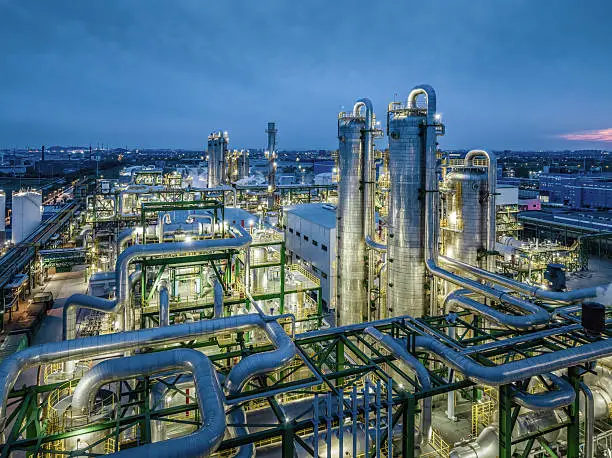
Covestro officially integrated the Freeport Texas facility into its global manufacturing network following the Vencorex acquisition. This strategic asset provides the chemical giant with a dedicated United States production base for aliphatic hexamethylene diisocyanate derivatives. The addition significantly strengthens local supply security for North American coatings formulators.
Procurement managers recognize this Gulf Coast site as a critical node for regional polyurethane raw material flows. Domestic manufacturing eliminates the transit times and freight volatility associated with importing specialty isocyanates from Europe or Asia. Buyers now gain access to locally produced high-performance crosslinkers essential for weather-resistant industrial and automotive finishes.
This localized capacity expansion directly addresses recent supply chain vulnerabilities that plagued the paint and coatings sector. Securing reliable domestic sources allows formulators to optimize inventory levels and protect production schedules. Understanding the operational advantages of this Texas asset helps buyers negotiate better commercial terms.
Strategic Value of Gulf Coast Manufacturing
The Freeport location sits at the heart of the most concentrated petrochemical corridor in the United States. This geographic advantage grants the facility direct pipeline access to essential upstream feedstocks and utility infrastructure. Producers operating in this region benefit from highly integrated supply networks that drive operational efficiency.
Manufacturing HDI derivatives requires precise temperature control and reliable utility supplies to maintain strict quality specifications. The Gulf Coast ecosystem provides redundant power grids and abundant cooling water resources necessary for continuous chemical synthesis. These infrastructural benefits translate directly into higher plant utilization rates and consistent product output.
The region also boasts a deep pool of specialized engineering talent and experienced chemical plant operators. Access to this skilled workforce ensures the facility maintains rigorous safety standards and operational excellence. Export logistics also improve dramatically when operating from a major deep-water port hub. The facility can efficiently ship bulk liquid chemicals and packaged derivatives to international markets via nearby marine terminals.
Reducing Reliance on Imported Aliphatics
North American coatings manufacturers historically depended heavily on imported aliphatic isocyanates to formulate premium product lines. Transatlantic and transpacific freight routes introduced significant lead time variability and exposed buyers to sudden shipping container shortages. Relying on overseas production forced formulators to maintain bloated safety stocks that tied up working capital.
The newly acquired Texas asset fundamentally alters this procurement dynamic by providing a robust domestic alternative. Local production shortens delivery windows from several weeks to just a few days for regional customers. This rapid replenishment capability enables lean manufacturing models and just-in-time inventory practices across the coatings value chain.
Buyers also mitigate currency exchange risks when sourcing materials produced and priced within their own economic zone. Fluctuations in the euro or yen no longer dictate the baseline cost structure for North American formulators. Financial predictability improves significantly when core raw material spend aligns with domestic revenue streams. Furthermore, local sourcing drastically reduces the carbon footprint associated with long-haul ocean freight.
Global Production Network Integration
Covestro now operates a truly global footprint for aliphatic isocyanates with dedicated sites in Germany, China and India alongside the new Texas facility. This diverse geographic spread protects the overall supply network from localized disruptions like extreme weather events or regional energy shortages. Production planners can shift volumes between continents to maintain global customer commitments.
Each regional plant specializes in specific derivative grades based on local market demands and technical capabilities. The Freeport site will likely focus on high-volume trimer and biuret products required by the massive North American automotive and industrial maintenance sectors. Technical teams across all locations share best practices to ensure uniform product quality regardless of the manufacturing origin.
Customers benefit from this integrated model through standardized specifications and harmonized regulatory documentation. A formulator qualifying a specific HDI derivative grade in Europe can confidently source the identical material from the Texas plant for local production runs. Research and development teams collaborate across these global sites to accelerate the commercialization of next-generation low-viscosity crosslinkers.
Feedstock Advantages and Cost Competitiveness
Producing specialty chemicals in the United States offers distinct cost advantages driven by abundant domestic shale gas extraction. Ethane and propane derivatives serve as foundational building blocks for the complex synthesis routes required to manufacture isocyanates. Access to low-cost natural gas liquids provides a structural margin advantage over European competitors relying on imported naphtha.
Feedstock security remains a primary concern for chemical operators navigating volatile global energy markets. The Freeport facility secures long-term supply agreements with local midstream providers to guarantee uninterrupted raw material flows. This backward integration shields the production process from sudden spot market price spikes that plague merchant buyers.
Procurement teams should recognize that these structural cost advantages rarely result in immediate price reductions for end users. Suppliers typically retain these margin improvements to fund future capital expenditures and sustainability initiatives. Buyers must negotiate multi-year contracts that share a portion of these feedstock efficiencies through favorable escalation clauses. Energy cost stability in Texas further insulates the site from the severe utility price shocks experienced in European manufacturing hubs.
Supply Chain Resilience for Coatings Formulators
Modern paint and coatings manufacturers demand absolute reliability from their specialty chemical partners to avoid costly production stoppages. The addition of a major domestic supplier introduces vital redundancy into regional procurement strategies. Risk management teams evaluate several critical factors when integrating this new capacity into their supply networks:
Geographic diversification protects against regional hurricanes that frequently disrupt Gulf Coast logistics and force majeure declarations.
Multiple transport modes including pipeline, rail and truck ensure continuous material flow even when specific infrastructure segments undergo maintenance.
Dedicated storage capacity at the production site buffers against sudden demand spikes from the automotive refinish sector.
Local technical support enables rapid troubleshooting of formulation issues without waiting for international experts to travel.
Export Logistics and Global Trade Flows
While the primary mandate involves serving North American customers the Freeport facility also functions as a strategic export hub. Deep-water marine terminals allow the site to ship bulk liquid isocyanates efficiently to Latin American and European markets. This export capability helps balance plant utilization rates when domestic demand experiences seasonal softness.
Global trade flows for specialty chemicals increasingly favor regional production hubs with strong maritime connectivity. Buyers in South America benefit from shorter transit times and lower freight costs compared to sourcing from Asian or European origins. Covestro leverages this logistical advantage to capture market share in emerging economies experiencing rapid industrialization.
Procurement professionals operating in these adjacent regions should evaluate the Texas site as a viable alternative supply source. Shifting import origins to the United States diversifies country risk and reduces exposure to Asian shipping lane congestion. The facility supports diverse packaging formats ranging from ISO tanks for bulk buyers to specialized drums for smaller formulators.
What North American Procurement Teams Should Do Now
Conduct a comprehensive review of your current aliphatic isocyanate spend to identify excessive reliance on imported materials. Initiate technical dialogues with Covestro representatives to understand the specific HDI derivative grades slated for Texas production. Request sample quantities for laboratory testing to verify performance equivalence against your existing formulations.
Negotiate long-term supply agreements that leverage the structural cost advantages of Gulf Coast feedstock access. Incorporate service level metrics that guarantee delivery reliability and prioritize your allocation during tight market cycles. Update your internal risk registers to reflect the improved supply security provided by this new domestic manufacturing base. These proactive steps ensure your organization capitalizes fully on the shifting regional supply dynamics.
Ready to source hexamethylene diisocyanate from verified global suppliers? Explore competitive offers on our platform today.
Titanium Dioxide
Found this useful?