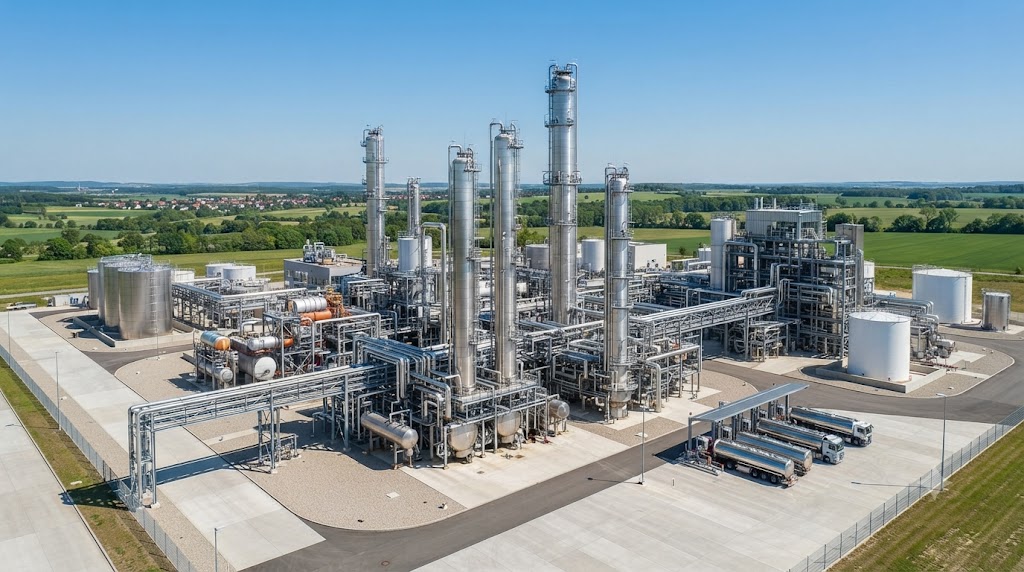
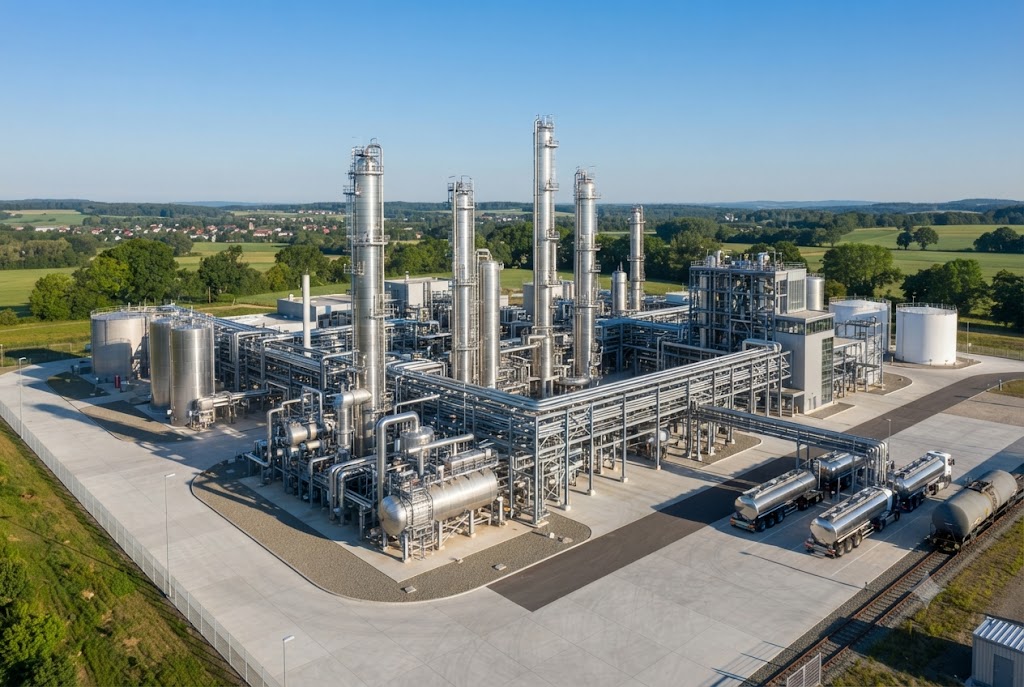
Covestro recently announced that its new Shanghai methylene diphenyl diisocyanate (MDI) production train will operate with net-zero Scope 1 and 2 emissions. This milestone represents a major leap forward in sustainable chemical manufacturing.
The facility leverages the proprietary AdiP process to eliminate direct and indirect greenhouse gas outputs. Procurement managers and chemical traders must recognize how this shifts the global polyurethane supply chain.
Buyers prioritizing decarbonization now have a verified low-carbon sourcing option in the Asia-Pacific region. This development fundamentally alters how industrial consumers evaluate chemical suppliers.
Understanding the AdiP Process and Net-Zero Operations
Covestro designed this proprietary technology specifically to decarbonize complex chemical synthesis operations. The process integrates advanced heat recovery systems and optimized catalytic reactions to minimize energy waste effectively.
Scope 1 emissions cover direct outputs from owned or controlled manufacturing sources. This includes fuel combustion and chemical reactions occurring directly within the physical plant boundaries.
Scope 2 emissions account for indirect outputs from the generation of purchased electricity. Achieving net-zero across both categories requires rigorous operational discipline and strategic renewable energy sourcing.
The Shanghai facility utilizes verified renewable energy credits and highly efficient manufacturing protocols to balance its carbon ledger. This dual approach ensures the facility meets the strictest international environmental standards consistently.
Market Impact on Global MDI Supply Chains
MDI remains a critical feedstock for rigid polyurethane foams, flexible foams, coatings, adhesives and sealants. The Asia-Pacific region consumes a massive share of global MDI production annually due to robust construction and automotive manufacturing activity.
Introducing a net-zero production train in Shanghai alters regional supply dynamics significantly. Buyers can now source high-volume MDI without compromising their aggressive corporate sustainability targets.
This development pressures competing manufacturers to accelerate their own decarbonization roadmaps immediately. Market leaders will increasingly demand verified environmental credentials from their chemical suppliers to maintain competitive market share.
The availability of green MDI in China also impacts global export flows positively. International buyers can now source sustainable polyurethane precursors directly from Asian manufacturing hubs without incurring massive transportation emissions.
Strategic Advantages for Procurement Teams
Procurement professionals gain distinct advantages when sourcing from net-zero facilities. Modernized plants offer superior reliability and environmental compliance compared to aging legacy infrastructure.
Regulatory compliance: Sourcing low-carbon MDI helps manufacturers meet stringent environmental reporting requirements globally. This proactive approach avoids potential carbon taxes and regulatory penalties in key international markets.
Supply chain resilience: Facilities with advanced process controls typically experience fewer unplanned operational disruptions. Consistent output protects downstream manufacturing schedules and prevents costly production halts.
Brand reputation: Utilizing sustainable feedstocks allows downstream companies to market their final products as environmentally responsible. This directly appeals to eco-conscious consumers and B2B clients demanding green supply chains.
Evaluating the Economics of Sustainable Chemical Production
Green chemistry initiatives often face skepticism regarding cost competitiveness in heavy industry. Covestro's approach demonstrates that sustainability and profitability can coexist effectively through technological innovation.
The AdiP process reduces overall energy consumption significantly through superior thermal integration. Lower utility requirements translate directly into reduced operational expenditures over the entire facility lifecycle.
Furthermore, avoiding carbon taxes and emissions penalties provides a clear financial advantage. Buyers should view net-zero MDI not as a premium product but as a future-proofed industry standard.
Long-term contracts for sustainable chemicals often provide better price stability than volatile fossil-based alternatives. Procurement teams can lock in favorable terms by committing to green supply chains early.
Navigating Certification and Sustainability Claims
Chemical traders must verify environmental claims rigorously before making major purchasing decisions. Not all net-zero declarations follow identical accounting standards or verification methodologies.
Buyers should request detailed documentation regarding the specific methodologies used to calculate Scope 1 and 2 emissions. Transparency is essential for accurate corporate carbon accounting and regulatory reporting.
Third-party audits and recognized certifications provide the necessary validation for these claims. Procurement teams must ensure their suppliers can substantiate every sustainability promise with transparent, auditable data.
Relying solely on supplier marketing materials introduces significant compliance risks. Independent verification protects the buying organization from accusations of greenwashing and reputational damage.
The Role of MDI in the Circular Economy
The push for net-zero MDI production aligns perfectly with broader circular economy principles. Chemical manufacturers are increasingly focused on closing the loop for polyurethane materials globally.
Sustainable MDI serves as a foundational building block for recyclable foam technologies. These advanced materials can be chemically depolymerized and reintroduced into the production cycle efficiently.
Sourcing green MDI amplifies the environmental benefits of these recycling initiatives. The entire product lifecycle achieves a significantly lower carbon footprint from inception to end-of-life disposal.
Procurement managers should view sustainable feedstocks as an investment in future circularity. Companies adopting these materials early will dominate the emerging market for fully recyclable polyurethanes.
Future Outlook for Green Polyurethane Markets
The global polyurethane market will experience a structural shift toward sustainable production methods. Regulatory frameworks in Europe and North America are already mandating lower carbon thresholds for imported chemicals.
Covestro's Shanghai facility positions the company to meet these evolving international standards proactively. Exporters will benefit from streamlined customs processes and preferential treatment in green procurement programs.
We can expect competing chemical giants to announce similar net-zero production initiatives soon. The race to decarbonize heavy chemical manufacturing has officially accelerated across all major global markets.
Buyers must prepare for a market where green credentials dictate supplier selection. Traditional producers failing to adapt will gradually lose market share to sustainable innovators.
The Role of Digital Tracking in Green Chemical Sourcing
Modern sustainable procurement requires robust digital tracking mechanisms. Blockchain and advanced supply chain software now enable end-to-end visibility for chemical shipments.
Buyers can trace the exact carbon footprint of their MDI from the Shanghai facility to their own manufacturing plants. This granular data is essential for accurate Scope 3 emissions reporting.
Digital product passports will soon become mandatory for many chemical imports. Companies investing in these tracking systems now will avoid future compliance bottlenecks.
Procurement teams should prioritize suppliers who offer seamless digital integration. Transparent data sharing builds trust and simplifies the auditing process for sustainability officers.
What Buyers Should Do Now
Chemical procurement teams must act decisively to integrate low-carbon materials into their supply chains. Evaluate current polyurethane formulations and identify immediate opportunities for sustainable MDI substitution.
Engage directly with suppliers offering verified net-zero chemical products. Update internal sustainability metrics to reflect the adoption of advanced manufacturing technologies.
Communicate these supply chain improvements to stakeholders and end customers. Proactive sourcing strategies will secure operational resilience and drive long-term business value.
Ready to source MDI and polyurethane precursors from verified global suppliers? Explore competitive offers on our platform today.