Cross-border mergers and acquisitions are becoming increasingly complex for industrial businesses that operate across multiple jurisdictions. Industrial due diligence logistics now extends well beyond financial records and facility inspections, requiring procurement, supply chain, environmental and operational teams to coordinate information from multiple locations.
For chemical traders and industrial buyers, the challenge becomes even more significant when an acquisition involves warehouses, production sites, raw material inventories or international supplier networks. A transaction can change sourcing strategies, distribution routes and purchasing requirements almost immediately after completion.
The result is a growing need for structured due diligence that connects commercial information with the physical movement and management of industrial materials.
Why Cross-Border M&A Changes Industrial Due Diligence
A large industrial acquisition often involves several teams working simultaneously. Financial specialists examine costs and liabilities while legal teams review contracts and regulatory obligations, and operational teams assess plants, warehouses and production capacity.
Supply chain information adds another layer of complexity. Buyers need to understand where materials originate, how they move through the network and whether the acquired business depends heavily on particular suppliers, ports or transportation corridors.
For procurement managers, several questions can become critical:
Supplier concentration: Does the acquired company depend on a small number of chemical suppliers or distributors?
Inventory exposure: Are large quantities of raw materials stored at facilities with different safety or regulatory requirements?
Logistics dependency: Does production rely on one port, carrier, warehouse or transportation route?
Contract continuity: Will existing supply agreements remain commercially attractive after the ownership change?
Cross-border obligations: Do imports and exports face different documentation, customs or compliance requirements across jurisdictions?
These issues can materially influence the operational value of an acquisition.
Supply Chain Mapping Becomes a Deal-Critical Exercise
A buyer cannot properly assess an industrial operation without understanding its physical supply chain. Mapping the network helps procurement teams connect suppliers, production facilities, warehouses, ports and customers.
The process should capture both direct and indirect dependencies. A company may purchase a chemical from a domestic distributor, for example, while that distributor relies on an overseas producer and a specific port for inbound supply.
This creates a chain of dependencies that may not appear in a conventional supplier list.
A useful due diligence review should identify:
Primary and secondary suppliers for major raw materials.
Origin countries and shipping routes.
Warehousing locations and storage capacity.
Typical lead times and minimum order quantities.
Alternative suppliers and substitution possibilities.
Existing transportation and distribution arrangements.
Inventory levels relative to normal production requirements.
Procurement teams can then distinguish between ordinary operating costs and structural supply chain risks that could affect the acquired business after closing.
Chemical Inventory Creates Additional Due Diligence Pressure
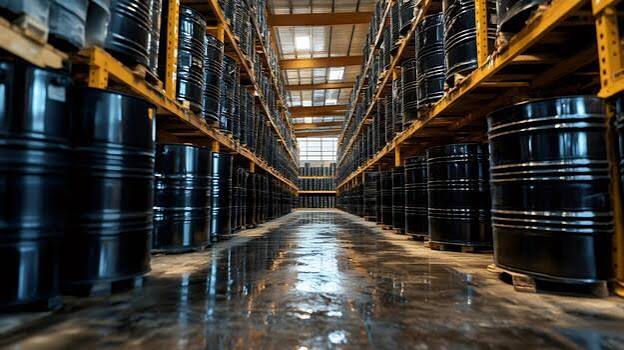
Industrial acquisitions can involve substantial inventories of solvents, acids, alkalis, additives, polymers, fertilizers and other chemical materials. Each inventory category can introduce different storage, handling, transportation and documentation requirements.
A physical inventory count therefore provides only part of the picture. Buyers also need to understand inventory age, storage conditions, ownership status, purchasing commitments and the commercial value of materials held on site.
Inventory analysis should also consider:
Materials approaching shelf-life or quality limits.
Slow-moving or obsolete chemical stocks.
Products purchased under long-term agreements.
Inventory subject to special storage requirements.
Materials held under consignment arrangements.
Stock located in third-party warehouses.
Differences between physical quantities and procurement records.
These factors can affect working capital calculations as well as post-acquisition logistics planning.
Regulatory Coordination Across Multiple Jurisdictions
Cross-border transactions require buyers to understand that regulatory obligations can vary significantly between jurisdictions. A facility may operate under one set of environmental and chemical handling requirements while its suppliers and customers operate under different frameworks.
The due diligence team must therefore connect regulatory review with logistics planning. Import permits, product documentation, transportation requirements and storage rules can all influence whether a supply arrangement remains practical after an acquisition.
This becomes particularly important when the acquired company imports industrial chemicals from several countries. A change in ownership can trigger new administrative requirements or require updates to existing documentation and commercial processes.
Procurement teams should work closely with legal and compliance specialists to identify requirements that could affect:
Chemical imports and exports.
Product registration and documentation.
Transportation and storage.
Customs procedures.
Environmental obligations.
Supplier qualification.
Waste management and disposal.
The objective is not simply regulatory compliance. It is to understand how compliance requirements could influence cost, lead time and continuity of supply.
Supplier Contracts Can Reveal Hidden Transaction Risks
Supplier agreements often contain information that matters long after the acquisition closes. Pricing formulas, volume commitments, exclusivity arrangements and termination provisions can all influence procurement flexibility.
A buyer should examine whether major contracts allow assignment following a change in ownership. The review should also identify agreements that depend on minimum purchase volumes or specific commercial relationships.
Contract visibility matters because a low-cost supply agreement can become a liability if its terms no longer fit the combined business
Logistics Networks Need Stress Testing Before Closing
M&A due diligence should test how the acquired logistics network would perform under different operating conditions. A buyer may inherit a supply chain that works efficiently at its current production scale but becomes constrained after integration with another business.
For example, combining purchasing volumes could change container requirements, warehouse utilization or transportation economics. New sourcing locations could also alter transit times and customs exposure.
Stress testing can focus on scenarios such as:
A major supplier becomes unavailable.
A key port experiences extended disruption.
Freight costs increase significantly.
Production volumes rise after integration.
A warehouse reaches capacity.
A primary supplier changes its payment or credit requirements.
The goal is to identify vulnerabilities while there is still time to negotiate alternatives.
Procurement Integration Can Protect Post-Deal Value
Once the transaction closes, procurement teams often face pressure to capture savings quickly. Cross-border acquisitions require a more measured approach because aggressive supplier consolidation can create new operational risks.
A combined procurement strategy should distinguish between products that offer immediate purchasing synergies and materials that require supply continuity above all else.
For chemical buyers, the integration process can include:
Comparing supplier pricing across the acquired and existing businesses.
Consolidating compatible purchasing volumes.
Identifying alternative international suppliers.
Reviewing freight and warehouse costs.
Standardizing supplier qualification procedures.
Eliminating duplicate sourcing activities.
Establishing contingency sources for critical materials.
The strongest procurement programs combine cost optimization with supply resilience rather than treating the lowest quoted price as the only objective.
International Logistics Data Must Support Better Decisions
Data quality can determine how effectively a buyer assesses an acquired industrial operation. Different subsidiaries may use different product names, supplier codes, inventory units and purchasing systems, making direct comparison difficult.
A structured data-cleansing exercise can connect purchasing records with physical inventory and supplier information. Procurement teams can then create a consistent view of spend, volumes and supply dependencies across jurisdictions.
This process becomes especially valuable when the acquired company operates several facilities. It can reveal duplicate suppliers, fragmented purchasing volumes and inconsistent commercial terms that were difficult to see before integration.
Better data also improves supplier negotiations. A buyer with a clear view of combined demand has stronger visibility when requesting pricing, payment terms or logistics improvements.
What Buyers Should Do Now
Cross-border M&A activity places greater demands on industrial due diligence because operational risks often extend beyond the factory gate. Supply chains, chemical inventories, supplier contracts and logistics infrastructure all contribute to the real operating profile of an acquisition.
Procurement and supply chain teams should become involved early rather than waiting for financial and legal reviews to finish. Early involvement gives buyers more time to identify critical dependencies, evaluate alternative suppliers and prepare integration plans.
A practical approach starts with five priorities:
Map the complete supply network from raw material origin to final delivery.
Segment chemical inventories by value, criticality, storage requirements and supply risk.
Review major supplier contracts for ownership-change provisions, volume commitments and pricing structures.
Stress-test logistics routes against supplier, freight, port and warehouse disruptions.
Build a post-acquisition sourcing plan that balances savings with continuity of supply.
For chemical traders, these developments also create opportunities. Buyers involved in acquisitions may need new suppliers, alternative origins and flexible purchasing arrangements as they redesign inherited supply networks.
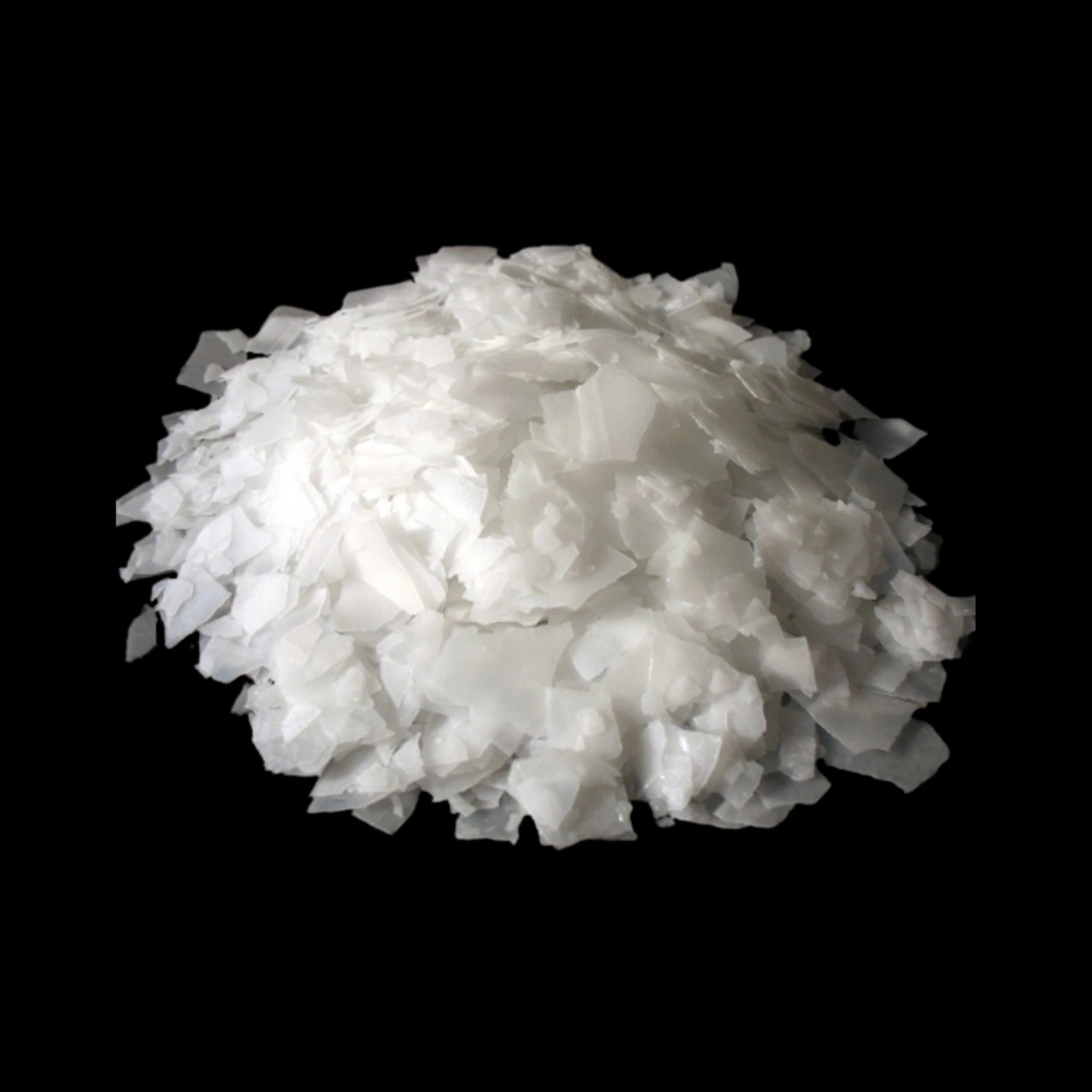
A reliable B2B chemical marketplace can support this transition by connecting procurement teams with international sources when existing supplier structures no longer provide the required flexibility. Ready to source Caustic Soda Flakes from verified global suppliers? Explore competitive offers on our platform today.