CSRD and Chemical Supply Chain Due Diligence: How Ownership Transfers Affect Scope 3 Data
The quality of Scope 3 greenhouse gas reporting depends heavily on accurate supplier information. For companies reporting under the Corporate Sustainability Reporting Directive (CSRD), supplier-specific emissions data forms an important part of value chain disclosures, making supplier continuity a key consideration throughout the reporting cycle.
An ownership transfer can interrupt that continuity. Recent transactions involving LyondellBasell and Velogy, as well as SABIC Europe and Aequita, illustrate how changes in ownership can create temporary data gaps even when manufacturing facilities continue operating. For procurement and sustainability professionals, understanding how to manage these transitions is becoming an important element of supply chain due diligence.
Why Ownership Changes Affect Scope 3 Reporting
Scope 3 reporting frequently relies on emissions information collected from specific production facilities.
Although the physical facility may continue producing the same products after an ownership transfer, responsibility for environmental reporting moves to the new owner. This means emissions information previously reported under one company's governance should no longer be automatically attributed to the previous organization after ownership changes.
For CSRD reporting, supplier identity and data ownership matter alongside emissions values themselves.
Maintaining clear records of ownership changes helps preserve reporting transparency and supports more accurate value chain disclosures.
What Happens When Ownership Transfers
Consider a production facility that previously operated under LyondellBasell.
Once ownership transfers to Velogy, future emissions information for that facility should come from Velogy rather than LyondellBasell. The historical emissions data remains valuable for previous reporting periods, but new reporting cycles require information that reflects the current owner.
The same principle applies to facilities transferred from SABIC Europe to Aequita.
For procurement teams, ownership transfers therefore trigger a review of supplier records rather than simply updating supplier names within procurement systems.
Why Data Gaps Can Occur
Large chemical companies often maintain mature sustainability reporting systems supported by established environmental data collection processes.
A newly formed turnaround company may require time to develop comparable reporting capabilities. During the early months following an acquisition, verified facility-level emissions data may not yet be available at the same level of detail previously supplied.
This creates a practical reporting challenge rather than a production interruption.
Facilities may continue operating normally while sustainability reporting systems transition to new ownership.
Managing the 2026 Reporting Cycle
For companies preparing 2026 CSRD disclosures, ownership transfers can create temporary gaps in supplier emissions information.
Where updated facility-level data has not yet become available, organizations should document the ownership transition clearly within their internal reporting process.
A practical approach includes:
Recording the date of the ownership transfer.
Identifying the facility affected by the transaction.
Explaining why updated supplier emissions information is temporarily unavailable.
Requesting verified emissions data directly from the new owner.
This documentation improves transparency and demonstrates that the reporting team has actively managed the transition.

Using Historical Data as a Temporary Proxy
Where verified emissions information from the new owner is not yet available, the last available facility-level emissions data from LyondellBasell can serve as a temporary proxy until Velogy provides verified data.
This approach helps maintain continuity while acknowledging that supplier ownership has changed.
The important point is transparency.
Companies should clearly document that historical emissions values represent proxy information used during the ownership transition rather than current verified data from the new owner.
Once Velogy or another successor organization publishes verified facility-level emissions information, reporting systems should be updated accordingly.
Strengthening Supplier Due Diligence
Ownership transfers highlight the importance of maintaining active supplier engagement rather than relying solely on historical sustainability data.
Procurement teams should establish procedures that include:
Monitoring major supplier acquisitions and divestitures.
Updating supplier contact information following ownership changes.
Requesting revised sustainability documentation from new owners.
Reviewing changes to environmental reporting methodologies.
Coordinating procurement, sustainability and compliance teams during supplier transitions.
These practices reduce reporting uncertainty and improve long-term data quality.
Preparing for Future Ownership Changes
The chemical industry continues to experience restructuring, acquisitions and portfolio optimization. As a result, supplier ownership changes will likely remain a recurring feature of global supply chains.
Companies reporting under CSRD benefit from treating ownership transitions as standard due diligence events rather than exceptional circumstances.
Building structured procedures for managing supplier changes improves reporting resilience while supporting more accurate Scope 3 disclosures across future reporting cycles.
The Bottom Line for Procurement Teams
Ownership transfers such as those involving LyondellBasell, Velogy, SABIC Europe and Aequita demonstrate that Scope 3 reporting depends on more than production activity alone. Supplier identity, reporting responsibility and data quality all influence the integrity of CSRD disclosures.
For the 2026 reporting cycle, documenting ownership transitions, requesting updated emissions information from new owners and using the last available verified facility-level data as a temporary proxy where necessary provide a practical approach to maintaining reporting continuity. These steps strengthen supply chain due diligence while supporting transparent and credible sustainability reporting.
Ready to source polymer products from verified global suppliers? Explore competitive offers on our platform today.
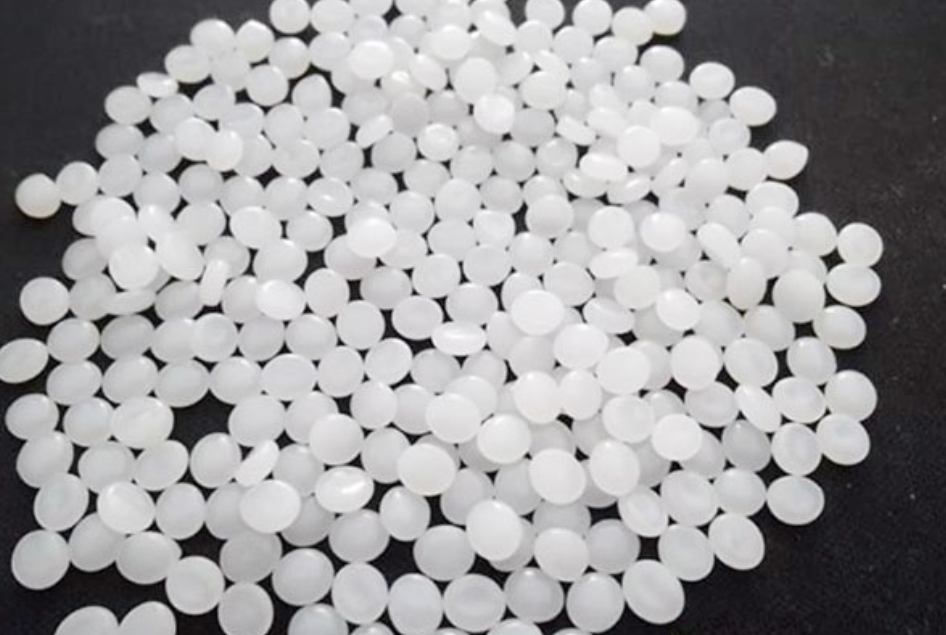
High Density Polyethylene (HDPE)
Found this useful?