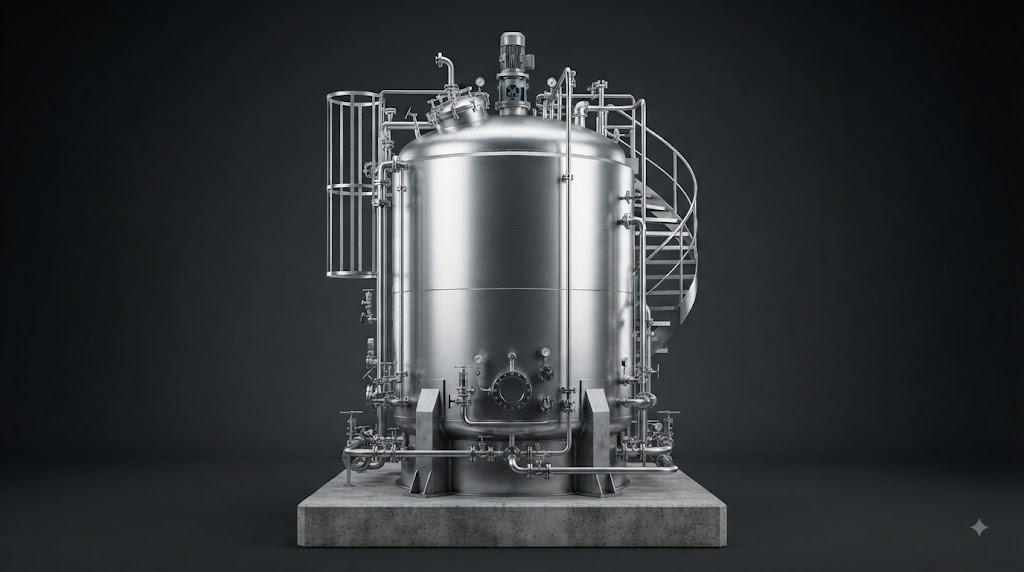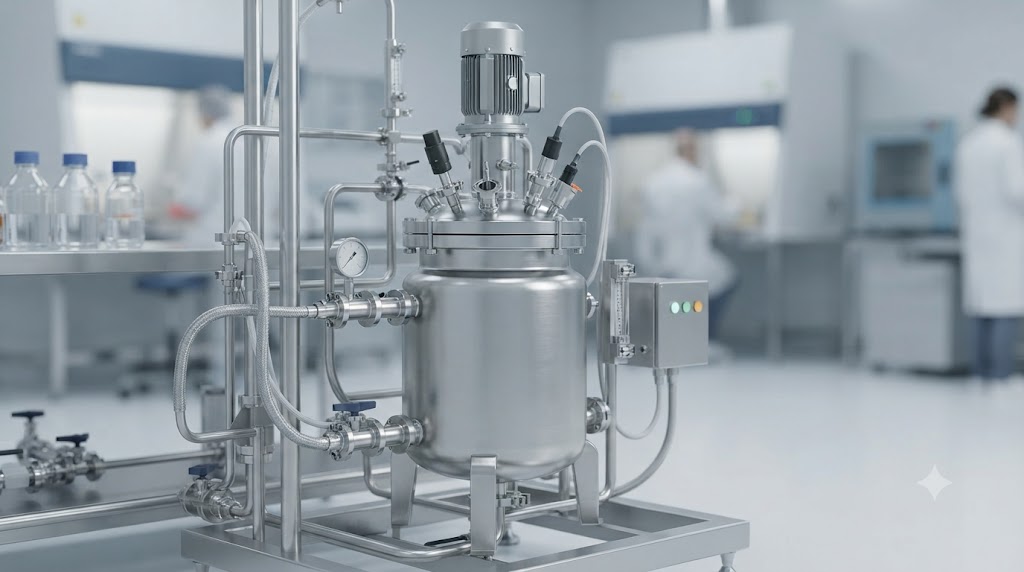
Danaher Bioprocessing Orders Grow Mid-Teens Despite Project Timing Noise
Danaher Corporation reported robust Q2 2026 financial results that signal strong underlying demand in the life sciences sector. Net earnings reached $870 million, representing a significant 60% increase year-over-year. This performance highlights the resilience of the bioprocessing market despite broader economic uncertainties.
Order growth in the mid-teens demonstrates sustained customer investment in manufacturing capacity. However, quarterly revenue faced headwinds from customer project timing noise. This discrepancy between orders and revenue reveals important dynamics for chemical and equipment suppliers. Procurement managers and industry analysts must look beyond top-line revenue figures to understand true market health. The divergence suggests a healthy pipeline of future activity even if current recognition lags.
Decoding the Order Growth vs. Revenue Lag
The mid-teens growth in bioprocessing orders indicates strong forward momentum. Customers are committing capital to new facilities and expansion projects. This commitment reflects confidence in long-term pharmaceutical production needs.
However, revenue recognition follows a different timeline. Large-scale bioprocessing projects involve complex installation and validation phases. Customer project timing noise refers to delays in these execution stages. These delays push revenue recognition into future quarters without canceling the original order.
This pattern is common in capital-intensive industries. It does not indicate weakening demand. Instead, it reflects the logistical realities of deploying sophisticated manufacturing systems. Suppliers must maintain operational flexibility to handle uneven revenue streams while managing steady order intake.
Key Drivers Behind the 60% Earnings Surge
The 60% year-over-year increase in net earnings stems from multiple factors. Operational efficiency improvements have reduced cost structures significantly. Higher-margin product mixes contribute to bottom-line expansion.
Operational leverage: Fixed costs are spread over higher volume bases.
Product mix shift: Sales of high-value consumables and services increased.
Cost discipline: Strategic initiatives reduced overhead and improved margins.
Pricing power: Strong demand allowed for modest price adjustments in key segments.
These drivers demonstrate that Danaher is not just growing revenue but improving profitability. This financial health enables continued investment in research and development. It also provides stability for supply chain partners who rely on consistent procurement volumes.
Impact on Bioprocessing Chemical and Material Suppliers
Strong order growth for bioprocessing equipment directly benefits upstream chemical suppliers. New bioreactors and purification systems require specialized consumables. These include single-use bags, filters, chromatography resins and cell culture media.
Suppliers of these critical materials will see increased demand as new installations come online. The mid-teens order growth signals a expanding base of active manufacturing sites. This expansion creates long-term recurring revenue opportunities for chemical vendors.
However, the project timing noise affects short-term consumption patterns. Delays in installation postpone the initial fill of these systems. Chemical suppliers must manage inventory carefully to align with actual startup dates rather than order dates. Close collaboration with equipment manufacturers helps forecast these timing shifts accurately.
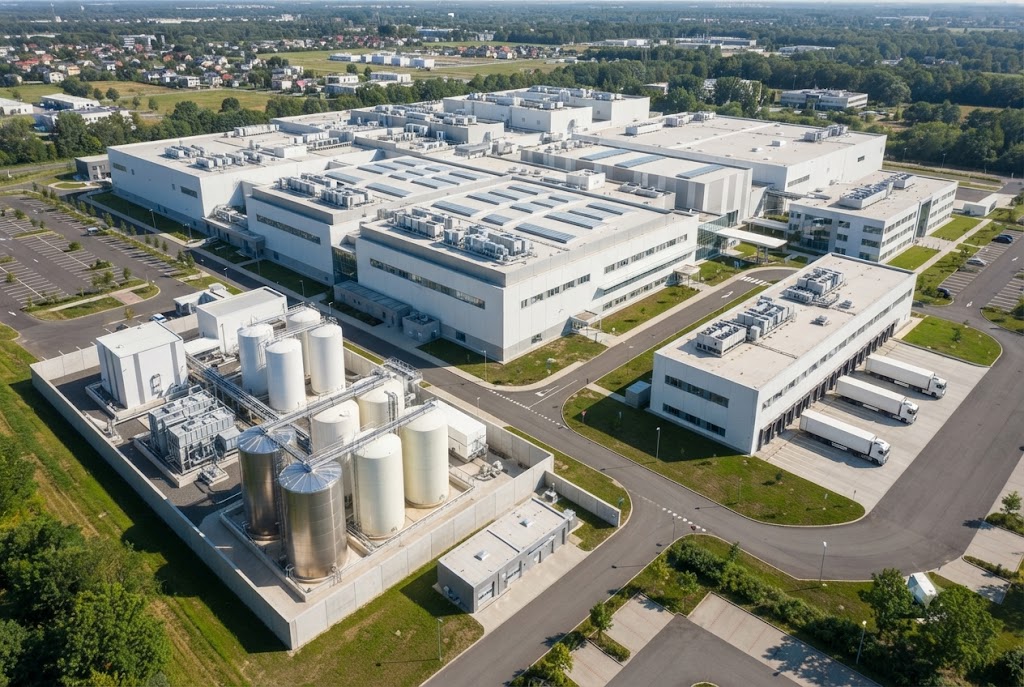
Navigating Customer Project Timing Challenges
Customer project timing noise arises from various external factors. Regulatory approvals, construction delays and staffing issues all play a role. These variables are often outside the control of equipment suppliers.
Biopharmaceutical companies prioritize compliance and quality over speed. They will not rush validation processes to meet arbitrary revenue targets for suppliers. This caution ensures patient safety but creates unpredictability for the supply chain.
Suppliers must build resilience into their planning models. Flexible manufacturing capabilities allow for rapid response when projects finally launch. Maintaining buffer stock of critical components mitigates the risk of sudden demand spikes. Diversifying the customer base reduces dependence on any single project timeline.
Strategic Implications for the Pharmaceutical Supply Chain
The strong performance of major players like Danaher validates the long-term growth trajectory of the biopharma sector. Investors and suppliers can remain confident in the fundamental demand drivers. Aging populations and novel therapy developments continue to fuel expansion.
Procurement teams should view the current timing noise as a temporary fluctuation. The underlying order book remains robust. This environment favors suppliers who can offer technical support and reliability. Partnerships that help customers navigate implementation challenges will thrive.
Chemical suppliers should focus on value-added services. Providing application expertise and regulatory support strengthens customer relationships. This approach helps secure long-term contracts that survive short-term timing variations.
What Buyers Should Do Now
The Q2 2026 results from Danaher provide a clear signal for the bioprocessing sector. Order growth remains strong despite revenue recognition delays. Procurement professionals should prepare for increased demand in downstream consumables.
Engage with equipment manufacturers to understand project timelines better. Align your inventory strategies with anticipated startup dates. Build flexible supply agreements that accommodate timing shifts. The organizations that adapt to this rhythm will capture the full benefit of the sector’s growth.
Ready to source Ammonium Polyphosphate from verified global suppliers? Explore competitive offers on our platform today.

Ammonium Polyphosphate
Found this useful?