Diammonium phosphate averaged $910 per ton in early July 2026. This price level represents notable resilience in a mixed market environment. While six of eight major fertilizer products moved lower during the same week, DAP and one other nutrient ticked higher. This divergence highlights specific supply constraints affecting the phosphate sector. Procurement managers must recognize that phosphate markets are decoupling from broader nitrogen trends. The sustained elevation in DAP prices reflects structural tightness rather than temporary speculation. Buyers relying on this critical nutrient for crop development need to adjust their sourcing strategies accordingly. Ignoring these specific market signals risks supply gaps during key planting windows.
Understanding the Price Divergence in Fertilizer Markets
The broader fertilizer market experienced a slight correction in early July. Urea and potash prices softened due to adequate inventory levels and moderated demand. However, DAP resisted this downward pressure. Its price stability stems from distinct supply-side factors.
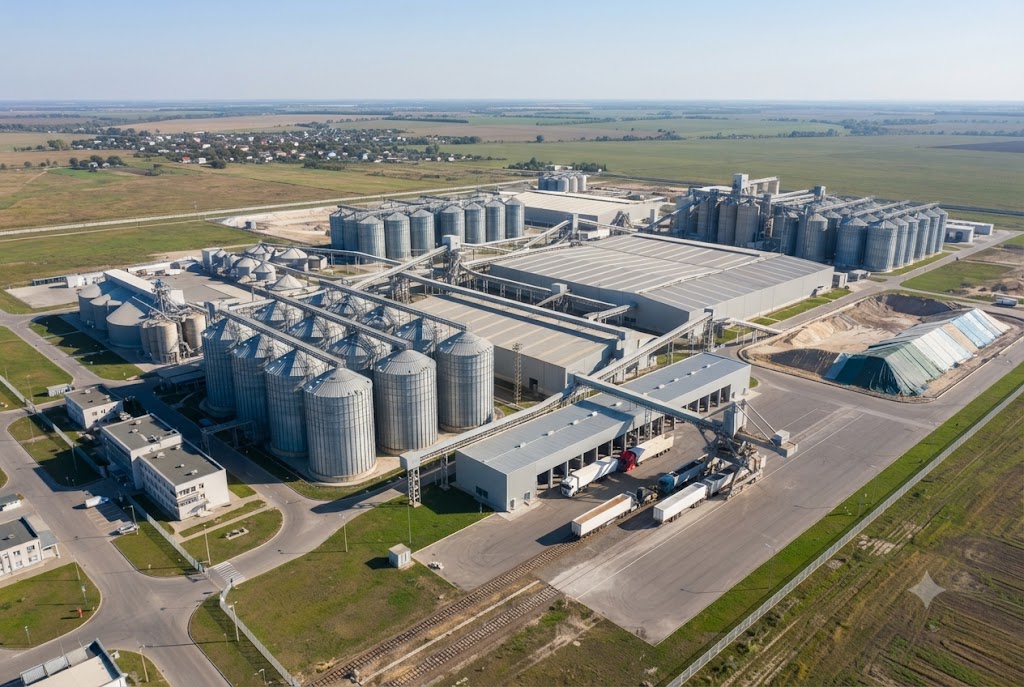
Phosphate production faces different challenges than nitrogen or potash manufacturing. Mining operations and processing facilities require significant lead times to ramp up output. Export restrictions from major producers like China further limit global availability. These constraints prevent prices from falling in line with other nutrients.
Buyers observing the general market decline might assume phosphate will follow suit. This assumption is dangerous given the current supply dynamics. DAP remains supported by fundamental scarcity. Procurement teams should treat phosphate as a separate category with its own risk profile.
Supply Constraints Driving DAP Valuations
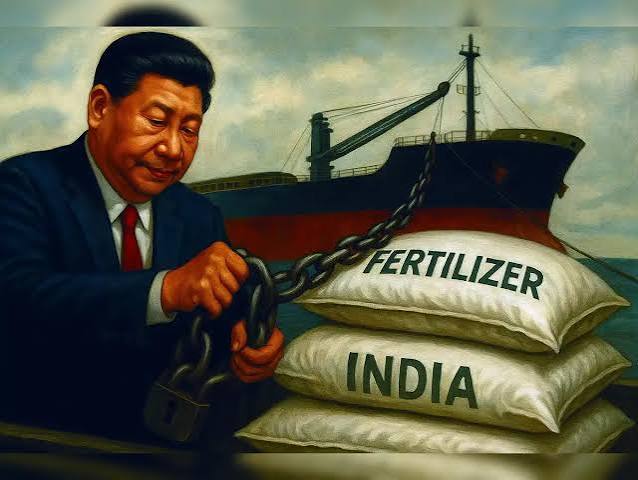
China’s potential export halt until August 2026 removes millions of tons from the global market. This policy creates an immediate deficit that other producers cannot quickly fill. Morocco and Saudi Arabia operate near maximum capacity. They lack the spare volume to absorb sudden demand spikes.
Russian exports face logistical and sanctions-related hurdles. These barriers restrict the flow of phosphate products to many international markets. The resulting supply tightness keeps spot prices elevated. Sellers have little incentive to lower quotes when physical cargo is scarce.
Limited export volumes: Major producers prioritize domestic food security over international sales.
Production bottlenecks: Mining and processing constraints limit rapid output increases.
Logistical friction: Shipping delays and port congestion reduce effective supply availability.
Strong demand: Agricultural users continue to purchase despite higher prices to ensure crop yields.
These factors combine to create a seller’s market for DAP. Buyers must compete for limited available cargo, driving prices upward or keeping them firm.
Regional Impact and Trade Flow Shifts
The impact of elevated DAP prices varies by region. Import-dependent markets in Southeast Asia and Latin America feel the pressure most acutely. They must pay premium prices to secure physical delivery.
European buyers benefit from proximity to Moroccan supplies but still face high baseline costs. Freight expenses add to the landed price significantly. North American producers maintain some insulation due to domestic capacity. However, global price convergence means US farmers also face higher input costs.
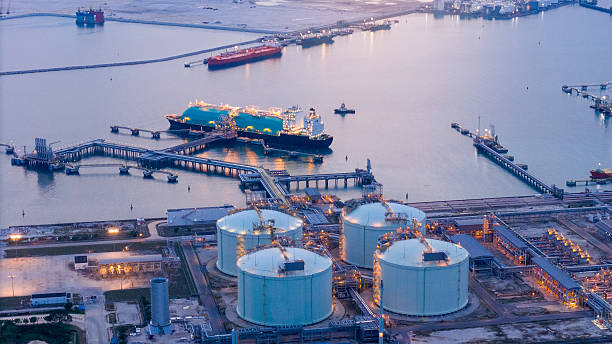
Trade flows are shifting as buyers seek alternative sources. Some importers are turning to smaller producers in Africa and the Middle East. These new routes often involve higher logistics costs and longer transit times. The total landed cost of DAP continues to rise for many end users.
Strategic Sourcing Adjustments for Procurement Teams
Fertilizer buyers must adapt their strategies to navigate this elevated price environment. Waiting for prices to drop significantly is unlikely to succeed given current supply constraints. A proactive approach provides better long-term value.
Secure long-term contracts. Lock in volumes with reliable suppliers like those in Morocco or Saudi Arabia. Fixed agreements guarantee physical delivery despite high spot prices.
Diversify supplier geography. Qualify multiple sources across different regions to reduce dependence on any single exporting nation.
Build strategic inventory buffers. Increase safety stock levels to cover potential logistical delays. Holding extra inventory protects against sudden supply cuts.
Monitor regulatory developments. Stay informed about Chinese export policies and global trade responses. Early intelligence allows for faster strategic pivots.
Evaluate alternative formulations. Consider monoammonium phosphate or blended fertilizers that may offer better value or availability.
Impact on Downstream Agricultural Economics
Higher DAP prices directly compress farm profit margins. Agricultural producers must balance nutrient costs against expected crop revenues. When phosphate prices remain elevated, some farmers reduce application rates.
This reduction can lead to lower yields in subsequent harvests. Lower yields tighten global food supplies and drive up commodity prices. The ripple effects extend beyond the chemical industry into the broader agribusiness sector.
Procurement teams in food processing and retail must monitor these trends. Understanding the link between fertilizer costs and crop availability helps in forecasting raw material prices. Collaborative planning with agricultural partners ensures sustainable supply chains during periods of input volatility.
What Buyers Should Do Now
The resilience of DAP prices near $910 per ton signals a tight phosphate market. Procurement professionals should not assume this trend will reverse quickly. Secure necessary volumes through reliable channels immediately.
Engage suppliers in transparent discussions about future production plans. Verify their export capabilities to ensure consistent delivery. Diversify your sourcing base to mitigate regional risks. Building resilience into your procurement strategy ensures operational continuity despite market constraints.
Ready to source Diammonium Phosphate from verified global suppliers? Explore competitive offers on our platform today.