Dark Fleet Tankers and Cold Chain Risk: An Emerging Concern for Sensitive Pharma Cargo
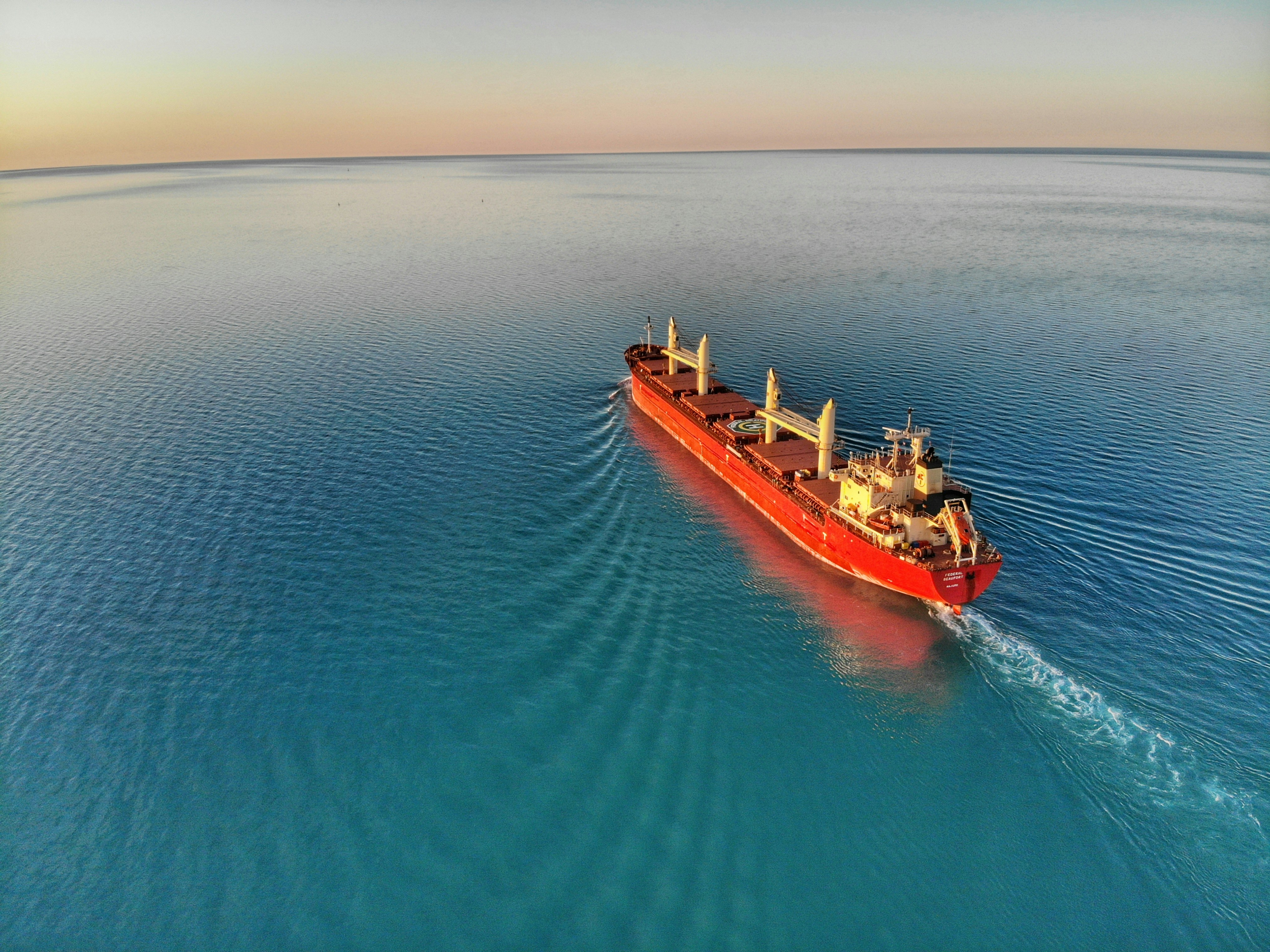
Dark Fleet Tankers and Cold Chain Risk: An Emerging Concern for Sensitive Pharma Cargo
Introduction
The expansion of the "dark fleet"—vessels that operate with limited transparency, frequently change ownership structures, or intermittently disable Automatic Identification System (AIS) tracking—has become a growing concern for global maritime trade. While these ships are most commonly associated with sanctioned oil transportation, their increasing presence is contributing to congestion, heightened maritime risk, and operational uncertainty across key shipping routes.
For the pharmaceutical industry, these developments present indirect but significant challenges. Sensitive pharmaceutical cargo—including Active Pharmaceutical Ingredients (APIs), biologics, vaccines, and temperature-controlled medicines—depends on reliable shipping schedules and uninterrupted cold chain integrity. As maritime disruptions become more frequent, procurement and logistics teams must consider how evolving shipping risks could affect product quality, regulatory compliance, and supply continuity.
What Is the Dark Fleet?
The term "dark fleet" refers to vessels that often operate outside normal commercial transparency practices. These ships may:
Temporarily disable AIS tracking systems.
Frequently change ownership or flag registration.
Operate through complex intermediary networks.
Serve sanctioned or high-risk trade routes.
Avoid conventional shipping oversight.
Although not every vessel operating under these conditions is engaged in illicit activity, their growing presence increases uncertainty for maritime authorities, insurers, and commercial shipping operators.
Why Cold Chain Pharmaceuticals Are Vulnerable
Unlike many industrial products, pharmaceutical cargo often requires strict environmental controls throughout transportation.
Products most sensitive to logistics disruptions include:
Active Pharmaceutical Ingredients (APIs)
Biologics
Vaccines
Cell and gene therapies
Insulin
Blood plasma products
Temperature-sensitive diagnostic reagents
These products must remain within validated temperature ranges to maintain safety, efficacy, and regulatory compliance.
How Maritime Disruptions Affect Cold Chain Integrity
The indirect impact of dark fleet activity extends beyond security concerns.
Potential risks include:
Longer vessel waiting times.
Route diversions around high-risk areas.
Port congestion.
Delayed customs clearance.
Increased transshipment complexity.
Higher probability of cold chain interruptions.
Even short transportation delays can increase monitoring requirements for sensitive pharmaceutical shipments.
Rising Costs Across Pharmaceutical Logistics
As maritime uncertainty grows, logistics providers may pass additional operational costs to pharmaceutical manufacturers.
Potential cost pressures include:
Higher marine insurance premiums.
Increased refrigerated container charges.
Additional cargo monitoring requirements.
Rising fuel surcharges.
More expensive priority shipping services.
Enhanced cargo security measures.
These expenses contribute to higher landed costs for pharmaceutical ingredients and finished medicines.
Risk Mitigation Strategies for Pharmaceutical Companies
Organizations transporting temperature-sensitive products should strengthen logistics resilience by implementing proactive risk management practices.
Recommended actions include:
Increase Shipment Visibility
Use real-time GPS tracking, temperature monitoring, and shipment analytics to identify delays before product quality is affected.
Diversify Logistics Providers
Avoid excessive dependence on a single carrier, freight forwarder, or shipping corridor.
Strengthen Cold Chain Validation
Ensure validated packaging systems can maintain required temperatures during extended transit times.
Develop Alternative Transportation Plans
Prepare contingency options, including air freight or multimodal transportation, for high-priority pharmaceutical products.
Monitor Maritime Intelligence
Track vessel routing, geopolitical developments, port congestion, and shipping advisories affecting critical trade lanes.
Procurement Priorities Going Forward
Procurement teams should incorporate maritime risk into supplier and logistics evaluations by monitoring:
Shipping route stability.
Cold chain infrastructure capabilities.
Carrier reliability.
Marine insurance trends.
Port performance.
Supplier contingency planning.
Regulatory requirements for temperature-controlled shipments.
Building resilience across procurement and logistics functions helps reduce operational risk during periods of maritime uncertainty.
Conclusion
The growing presence of dark fleet tankers reflects broader changes in the global maritime environment that extend beyond the energy sector. For pharmaceutical companies, the greatest concern lies not in the vessels themselves, but in the indirect effects they may have on shipping reliability, port operations, and cold chain performance.
As global pharmaceutical supply chains become increasingly dependent on uninterrupted, temperature-controlled logistics, organizations must expand their risk management strategies to include maritime intelligence, diversified logistics networks, and enhanced shipment visibility. Companies that proactively strengthen cold chain resilience will be better positioned to protect product quality and ensure uninterrupted medicine supply in an increasingly complex shipping environment.

Acrylonitrile

Found this useful?