Day 135: The Hormuz Crisis Intelligence Summary — Ceasefire Collapsed, MoU Clock at 34 Days
Introduction
Day 135 of the Hormuz Crisis marks another pivotal moment for global chemical procurement and logistics. The collapse of the latest ceasefire has renewed concerns over maritime security in the Gulf, while the Memorandum of Understanding (MoU) implementation clock has reached 34 days, increasing uncertainty for buyers, suppliers, and freight operators.
Although commercial shipping continues through the Strait of Hormuz, procurement teams should recognize that geopolitical volatility remains elevated. Every disruption has the potential to influence freight costs, insurance premiums, supplier reliability, and inventory planning across the chemical and food ingredient industries.
Executive Summary
Current Situation
Ceasefire negotiations have collapsed, renewing regional uncertainty.
The MoU implementation timeline has now reached Day 34, with market participants closely monitoring diplomatic developments.
Vessel operators continue to exercise heightened caution while transiting Gulf shipping lanes.
War-risk insurance remains above historical averages.
Chemical buyers continue favoring diversified sourcing strategies to reduce geopolitical exposure.
The market remains operational, but procurement decisions increasingly depend on real-time geopolitical intelligence rather than historical purchasing patterns.
Maritime Logistics Outlook
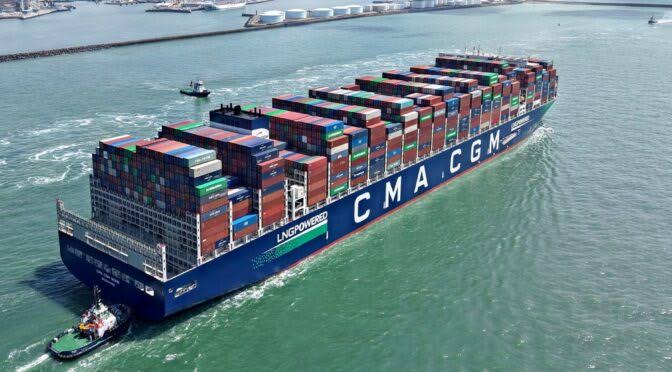
The Strait of Hormuz remains one of the world's most strategically important shipping corridors, handling significant volumes of chemicals, petrochemicals, energy products, and industrial raw materials.
Current logistics observations include:
Elevated security monitoring across Gulf shipping routes.
Continued scheduling adjustments by some shipping carriers.
Higher insurance costs for vessels operating in the region.
Longer planning cycles for exporters and importers.
Increased emphasis on alternative routing where commercially viable.
While widespread shipping interruptions have not materialized, logistics teams continue to prepare contingency plans should conditions deteriorate.
Procurement Intelligence: What Buyers Should Watch
For procurement professionals, Day 135 reinforces the importance of proactive supply chain management.
Priority monitoring areas include:
Freight Rates
Watch for changes in ocean freight pricing, fuel surcharges, and carrier capacity as geopolitical developments evolve.
War-Risk Insurance
Insurance premiums remain a key component of landed cost calculations for cargo moving through Gulf waters.
Evaluate supplier reliability, production schedules, and shipment consistency to identify potential disruptions early.
Inventory Strategy
Balance inventory levels carefully to reduce exposure to sudden logistics interruptions while avoiding excessive carrying costs.
Alternative Sourcing
Continue assessing secondary suppliers in different geographic regions to improve long-term supply chain resilience.
Market Impact on Chemical Supply Chains
Several sectors remain particularly sensitive to developments in the Hormuz region:
For these industries, transportation costs can rapidly influence overall procurement budgets and manufacturing margins.
Risk Assessment
Although commercial trade continues, procurement teams should remain alert to several potential risks:
Escalation of regional tensions
Temporary shipping delays
Increased insurance premiums
Port congestion from routing adjustments
Volatility in energy and feedstock prices
Extended supplier lead times
Continuous monitoring enables organizations to respond quickly as market conditions evolve.
Strategic Recommendations
Organizations should consider the following actions:
Maintain daily monitoring of maritime developments.
Review landed cost calculations to account for changing logistics expenses.
Diversify sourcing across multiple regions where feasible.
Strengthen communication with logistics providers and suppliers.
Prepare contingency procurement plans for critical raw materials.
Monitor inventory coverage for strategically important products.
Companies that combine geopolitical intelligence with procurement analytics will be better positioned to manage uncertainty throughout the remainder of the crisis.
Conclusion
On Day 135, the collapse of the ceasefire and the progression of the MoU clock to 34 days reinforce that the Hormuz Crisis remains a significant strategic consideration for global procurement. While international trade continues, elevated geopolitical risk requires procurement teams to remain vigilant, flexible, and data-driven.
Organizations that continuously monitor freight markets, supplier performance, insurance costs, and geopolitical developments will be better equipped to protect supply continuity, control procurement costs, and strengthen supply chain resilience in an increasingly uncertain global environment.