US Crop Protection Distribution: How Industry Consolidation Is Changing Procurement | ChemicalsBlog.com
Agrochemicals & Fertilizers
schedule3 Min Read
Distributor Consolidation in US Crop Protection: What It Means for Procurement and Supply Chains
terminal
prodchem
Jul 14, 2026
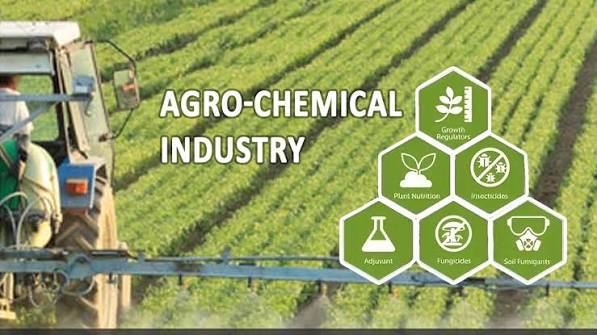
The US crop protection industry continues to experience significant consolidation as distributors expand their market presence through acquisitions, partnerships, and vertical integration. With growers facing tighter profit margins and higher input costs, many agricultural distributors are restructuring their operations to improve efficiency, strengthen supply security, and provide broader product portfolios.
Large agricultural companies, including Nutrien Ag Solutions, have continued expanding their integrated business models by combining crop protection products, fertilizers, seed distribution, agronomic services, and digital farming solutions under a single network. Industry analysts believe consolidation is likely to continue as distributors seek greater economies of scale while helping farmers manage rising production costs.
For agrochemical manufacturers, suppliers, and procurement professionals, understanding these distribution trends is becoming increasingly important for long-term sourcing and market planning.
Why Consolidation Is Accelerating
Several market factors are driving consolidation across the US crop protection industry.
These include:
Rising production costs
Higher transportation expenses
Increased regulatory requirements
Pressure on farm profitability
Growing demand for integrated agricultural services
Supply chain optimization
Larger distributors are often better positioned to absorb these costs while offering a wider range of products and technical support.
The Rise of Vertical Integration
Vertical integration allows agricultural companies to manage multiple stages of the supply chain rather than relying on independent businesses.
Many large distributors now combine:
Crop protection products
Fertilizer distribution
Seed sales
Precision agriculture technologies
Agronomic consulting
Farm financing solutions
This integrated approach enables companies to improve operational efficiency while providing growers with comprehensive agricultural solutions.
Modern agricultural distributors increasingly supply complete crop input portfolios that include Glyphosate, Glufosinate Ammonium, 2,4-D, Atrazine, Urea, DAP, and MOP (Muriate of Potash). Offering both crop protection products and fertilizers through a single distribution network helps improve supply efficiency and provides growers with more convenient purchasing options.
Consolidated distribution networks can offer several advantages to growers.
Potential benefits include:
One-stop purchasing
Improved product availability
Better logistics support
Technical agronomic advice
Digital farm management tools
More consistent product supply
However, growers also continue to evaluate pricing competitiveness and supplier flexibility when selecting distribution partners.
Procurement Implications
For procurement professionals, distributor consolidation changes how supplier relationships are managed.
Important considerations include:
Evaluating distributor financial stability
Diversifying supply partners
Monitoring market concentration
Negotiating long-term agreements
Assessing inventory capabilities
Reviewing logistics performance
Working with financially strong distribution partners can improve supply reliability while reducing procurement risks.
Looking Ahead
Distributor consolidation is expected to remain a defining trend in the US crop protection market. As agricultural input costs continue to evolve, integrated distribution companies are likely to expand their services through technology investments, broader product portfolios, and improved logistics capabilities.
For manufacturers, distributors, and procurement teams, maintaining strong supplier relationships while diversifying sourcing strategies will remain essential for navigating an increasingly consolidated agricultural marketplace.
Key Takeaways
Consolidation continues to reshape the US crop protection distribution sector.
Vertical integration improves operational efficiency and service offerings.
Large distributors provide broader product portfolios and agronomic support.
Procurement teams should evaluate supplier strength alongside pricing.
Diversified sourcing remains important despite increasing market consolidation.