Diversifying Beyond China: Which Sourcing Routes Are Gaining Ground in 2026
Diversifying Beyond China: Which Sourcing Routes Are Gaining Ground in 2026
Introduction
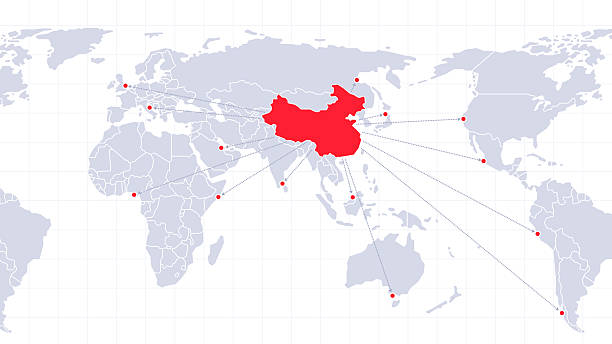
As global supply chains continue to evolve, many businesses are expanding their sourcing strategies beyond China. While China remains a leading manufacturing hub, companies are increasingly adopting a "China Plus One" approach to reduce risk, improve resilience, and access new growth opportunities.
In 2026, several countries have emerged as attractive alternatives for sourcing across industries, including chemicals, electronics, textiles, and industrial goods.
Why Are Companies Diversifying?
Businesses are looking beyond China to:
Reduce supply chain risks
Minimize the impact of geopolitical tensions
Access competitive labor and production costs
Improve supply chain flexibility
Expand supplier networks
Rather than replacing China entirely, many companies are balancing production across multiple regions.
Key Sourcing Destinations in 2026
Vietnam
Vietnam continues to attract manufacturers due to its competitive labor costs, growing industrial base, and strong export infrastructure. It remains a preferred destination for electronics, textiles, and consumer goods.
India
India is gaining momentum with government support for manufacturing, a large skilled workforce, and expanding industrial capacity. It is becoming an important sourcing hub for chemicals, pharmaceuticals, engineering products, and automotive components.
Indonesia
Indonesia offers strong opportunities in minerals, chemicals, and industrial manufacturing. Ongoing investments in infrastructure and processing industries are making it an increasingly attractive sourcing destination.
Malaysia and Thailand
These Southeast Asian countries provide reliable manufacturing ecosystems, particularly for electronics, automotive parts, and specialized industrial products. Their well-developed logistics networks also support regional trade.
Mexico
For companies serving the North American market, Mexico remains a strategic choice due to its proximity to the U.S., shorter transit times, and established manufacturing capabilities.
What This Means for Chemical Buyers
Chemical procurement teams should evaluate suppliers based on more than price. Key considerations include:
Product quality and certifications
Regulatory compliance
Logistics reliability
Production capacity
Total landed cost
Diversifying suppliers across multiple countries can improve business continuity and reduce dependence on a single market.
2-Ethylhexyl Acrylate
Found this useful?