Dow and Amcor Team Up to Make Lower-Carbon Packaging the Default, Not the Upsell
Dow and Amcor are changing the commercial equation for low-carbon packaging by bringing lower-carbon polyethylene together with packaging manufacturing and carbon accounting. Their September 2026 collaboration targets a familiar challenge for brands: reducing Scope 3 emissions without creating a separate, expensive packaging program.
For chemical buyers, the development matters because polyethylene remains a major material in packaging supply chains. The collaboration aims to make lower-carbon options easier to evaluate, integrate and scale, allowing procurement teams to consider emissions data alongside price, performance, supply reliability and specifications.
Why Low-Carbon Polyethylene Matters to Packaging Buyers
Packaging decisions often influence emissions beyond the immediate manufacturing site. Polyethylene enters the value chain through material production, conversion and packaging operations, so changing the material input can affect the carbon footprint associated with finished products.
Dow brings low-carbon polyethylene and materials science capabilities to the collaboration, while Amcor contributes packaging development, manufacturing expertise and access to global brand customers. The companies intend to identify packaging applications where lower-carbon materials can meet existing technical and commercial requirements.
This approach is particularly relevant for procurement teams that cannot easily justify a complete packaging redesign. A material option that fits established performance requirements can reduce the operational disruption associated with sustainability projects.
The commercial goal is therefore broader than simply offering a lower-carbon polymer. It is about making the lower-carbon choice easier to specify, purchase and deploy at scale.
A New Commercial Model for Packaging Decarbonization
Dow and Amcor are also addressing one of the practical barriers to sustainability adoption: companies may support lower-carbon materials in principle but hesitate when the commercial case remains unclear.
The collaboration will use market-based mechanisms intended to reduce adoption risk and create clearer demand signals across the value chain. That could help connect material producers, converters, packaging manufacturers and brand owners earlier in the purchasing process.
For chemical traders and distributors, this creates several potential areas of opportunity:
Material sourcing: Customers may increasingly request polyethylene grades with documented carbon performance alongside conventional technical specifications.
Supplier differentiation: Verified product carbon information can become an additional factor when buyers compare otherwise similar material offers.
Customer retention: Suppliers that can support both material availability and sustainability documentation may become more valuable to packaging customers.
Longer-term contracts: Greater demand visibility could encourage customers and suppliers to develop more structured procurement arrangements for lower-carbon materials.
The shift could also reduce the perception that sustainable packaging belongs in a separate premium category. Instead, carbon performance may become another purchasing criterion within mainstream polyethylene sourcing.
Carbon Accounting Becomes Part of Material Procurement
A major feature of the Dow and Amcor collaboration is the use of the Carbon Footprint Ledger, or CFL, methodology. The system provides product carbon footprint information for low-carbon products and draws on mass balance principles for greenhouse gas accounting.
The methodology aligns with product carbon footprint frameworks including ISO 14067 and the Greenhouse Gas Protocol Product Standard. Dow says the resulting information can be provided through Product Carbon Footprint certificates, giving customers a structured basis for evaluating lower-carbon product options.
For procurement managers, this matters because a sustainability claim alone does not provide enough information for supplier comparison. Buyers increasingly need data that can feed internal carbon accounting, customer reporting and Scope 3 reduction programs.
A stronger carbon accounting process can help procurement teams ask more precise questions:
What is the product carbon footprint associated with the polyethylene being purchased?
Which accounting methodology supports the reported figure?
Can the information be incorporated into the company's Scope 3 reporting?
Is the carbon information independently assured or supported by recognized standards?
Can the lower-carbon material be supplied at the volumes and specifications required?
These questions can move sustainability discussions from broad commitments toward practical purchasing decisions.
Packaging Performance Still Sets the Commercial Baseline
Lower carbon intensity cannot replace the fundamental performance requirements of packaging. Brands still need packaging materials that protect products, maintain required mechanical properties and operate reliably through existing converting and filling processes.
Dow and Amcor are positioning the collaboration around packaging solutions that maintain required performance, quality and functionality while helping customers address emissions targets. The focus on scalable applications is important because a lower-carbon material only creates commercial value if converters and brand owners can use it effectively.
This is where the combination of polymer expertise and packaging manufacturing becomes significant. A resin supplier can provide material innovation, but packaging producers understand how that material behaves in real structures, production environments and customer applications.
For buyers, the ideal lower-carbon material therefore needs to satisfy several conditions at once:
Technical fit: The polymer must meet application-specific performance requirements.
Supply security: Customers need confidence that volumes can increase without destabilizing their packaging operations.
Carbon transparency: Procurement teams need credible information about the product footprint.
Commercial viability: Sustainability improvements must fit purchasing budgets and customer economics.
What the Collaboration Means for Chemical Supply Chains
The partnership could influence how polyethylene moves through the packaging value chain. Instead of treating sustainability as a final-stage packaging feature, companies can incorporate carbon performance earlier, beginning with material selection.
That change could increase the importance of technical documentation during chemical sourcing. Product specifications, certificates and carbon footprint information may increasingly sit alongside traditional documents such as safety data sheets, quality certificates and origin information.
For importers and exporters, this creates a potential need to strengthen documentation capabilities. Buyers may want to compare conventional and lower-carbon materials using a combination of price, technical performance, availability and carbon intensity rather than relying on a single purchasing metric.
Chemical traders can also benefit from understanding where demand is developing. Packaging customers with formal Scope 3 targets may become early adopters because they have a direct reason to look for measurable reductions in purchased materials.
Scope 3 Targets Could Accelerate Adoption
Scope 3 emissions cover indirect greenhouse gas emissions across a company's value chain, making them particularly relevant to brand owners that purchase packaging materials rather than manufacture every input themselves.
Dow and Amcor specifically designed their collaboration around helping brands and retailers advance Scope 3 goals. The companies point to packaging as an area where customers can pursue emissions reductions without necessarily investing in completely new infrastructure or changing established packaging formats.
That proposition can be commercially attractive. Packaging changes can require equipment modifications, qualification testing, production trials and consumer acceptance work, all of which can slow adoption.
A lower-carbon polyethylene option that works within established packaging systems can potentially shorten that path. For procurement teams, the ability to combine sustainability improvements with operational continuity can strengthen the business case for switching material inputs.
Procurement Teams Should Prepare for Carbon-Based Specifications
The Dow and Amcor announcement points toward a broader evolution in chemical procurement. Buyers may increasingly evaluate polymers through a dual lens, asking whether a material performs correctly and whether its carbon profile supports corporate sustainability objectives.
Procurement teams can prepare by adding carbon-related questions to supplier qualification and sourcing processes. This does not mean replacing traditional commercial criteria, but expanding them.
Useful procurement considerations include:
Carbon footprint methodology: Understand how suppliers calculate and document product carbon footprints.
Certification and assurance: Check whether carbon information follows recognized standards and whether independent assurance supports the methodology.
Material equivalence: Confirm that lower-carbon grades meet the same functional requirements as the packaging application demands.
Volume scalability: Establish whether suppliers can support larger orders as adoption expands.
Total commercial impact: Evaluate material pricing alongside conversion costs, qualification requirements and potential reporting benefits.
This framework can help buyers avoid treating low-carbon packaging as a purely marketing-driven purchase. Instead, it becomes part of a structured sourcing decision.
Looking Ahead to a Mainstream Low-Carbon Packaging Market
The Dow and Amcor collaboration signals a move toward integrating lower-carbon polyethylene into the mainstream packaging supply chain rather than positioning it only as a specialist sustainability product. Its combination of material supply, packaging manufacturing and carbon accounting addresses several barriers that can slow adoption.
For chemical traders, the development reinforces the importance of understanding how sustainability requirements are changing polymer procurement. Buyers may increasingly seek suppliers that can provide not only the required polyethylene specification but also credible information about carbon performance and supply scalability.
For brand owners, the appeal lies in the possibility of reducing value-chain emissions while maintaining established packaging functionality. For distributors and exporters, the opportunity is to anticipate this demand and build sourcing strategies around both material performance and transparent environmental information.
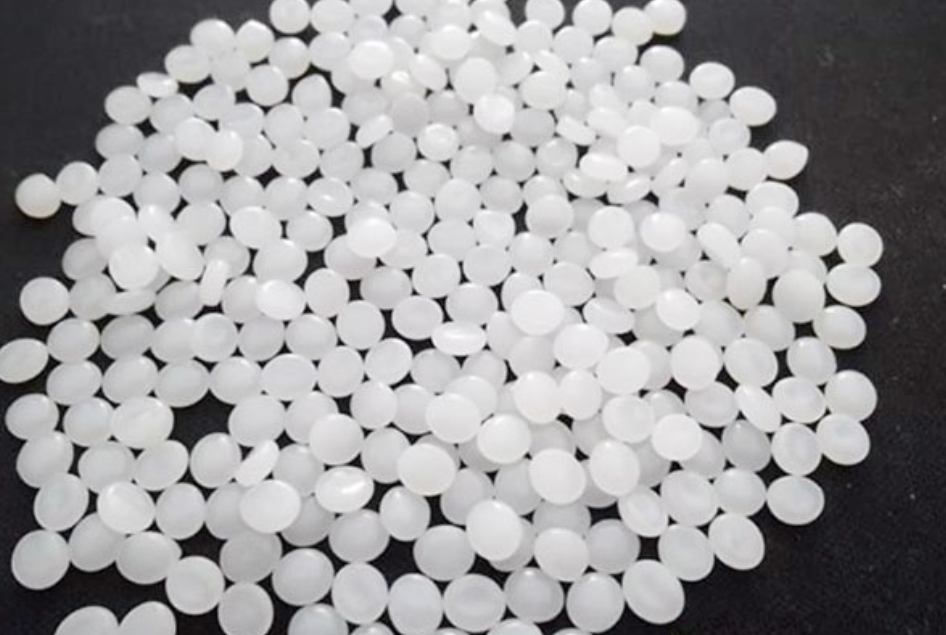
High Density Polyethylene (HDPE)
Found this useful?