Dow's potential exit from its Saudi Aramco chemicals partnership is putting renewed attention on the interconnected industrial infrastructure of Jubail. While there is no evidence that a change in Sadara ownership would directly disrupt ammonia or fertilizer production, the venture sits within a highly integrated petrochemical ecosystem where feedstocks, processing assets and downstream industries are closely connected.
Reuters reported on September 9 that Dow is considering selling its 35% stake in Sadara Chemical Company, a $20 billion joint venture with Saudi Aramco. No final decision has been made, while Aramco and other potential investors could be candidates to acquire the stake. Sadara's Jubail complex has annual capacity exceeding 3 million metric tons of chemicals and plastics.
For fertilizer buyers, the relevance is therefore indirect but important. Jubail is also a major center for ammonia and urea production, with Saudi Arabia allocating additional natural gas feedstock for new ammonia and urea projects in the industrial city.
Why Sadara Matters to Gulf Chemical Infrastructure
Sadara was created by Saudi Aramco and Dow to combine Aramco's feedstock and refining capabilities with Dow's specialty chemical expertise. Aramco describes the facility as an integrated chemicals complex designed to increase the value obtained from Saudi hydrocarbon resources.
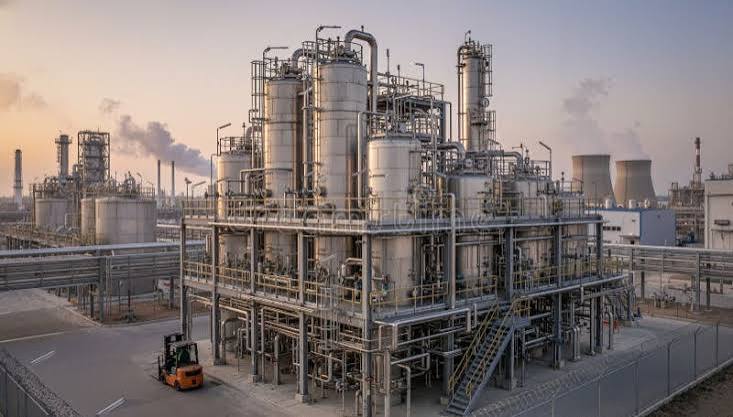
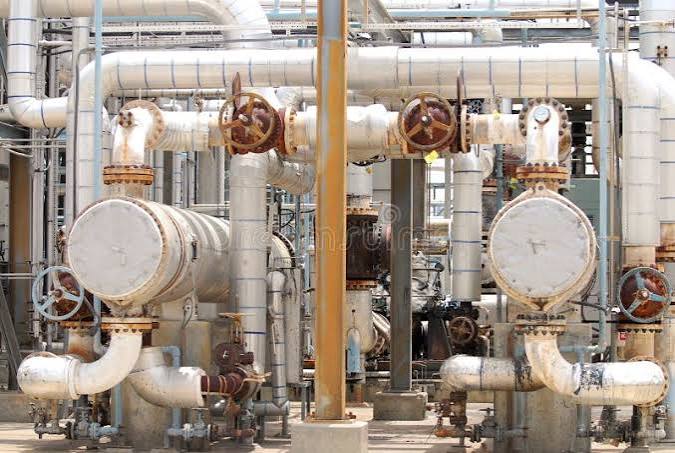
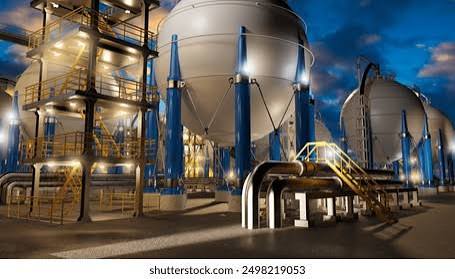
The complex contains 26 manufacturing units and was designed with extensive integration across chemical production. Aramco says approximately 2,500 kilometers of pipe were installed across the six-square-kilometer site, illustrating the scale of the physical infrastructure supporting its operations.
Sadara also sits beside PlasChem Park, a downstream industrial zone developed to support companies using Sadara products and other raw materials. This creates a broader industrial cluster where chemical production, feedstock supply and downstream conversion are geographically concentrated.
That structure is relevant to fertilizer markets because Jubail's industrial infrastructure also supports major nitrogen fertilizer operations.
The Connection Between Petrochemical and Fertilizer Feedstocks
The connection between Sadara and fertilizer production should not be overstated. Sadara is primarily a petrochemical producer and does not operate as a conventional ammonia or urea producer.
The link is the wider industrial ecosystem. Saudi fertilizer producers rely heavily on natural gas feedstock supplied through the Kingdom's energy system, while petrochemical producers such as Sadara use hydrocarbon-derived feedstocks to manufacture chemical intermediates and polymers.
Saudi Arabia's fertilizer industry is expanding within the same broader industrial geography. In March 2026, SABIC Agri-Nutrients announced that it had received approval for feedstock allocation for a new Jubail plant designed to produce 1.2 million tonnes per year of conventional ammonia and 2.6 million tonnes of urea.
The important point is that shared regional infrastructure does not mean Sadara and fertilizer plants use the same physical feedstock streams. Instead, they operate within an interconnected energy and industrial system where feedstock allocation, utilities, logistics and downstream investment can influence multiple sectors.
What a Dow Exit Could Actually Change
A change in Sadara ownership would not automatically change Saudi Arabia's fertilizer feedstock allocations. Those allocations are governed through the Kingdom's energy and industrial framework rather than by Dow's ownership position alone.
However, ownership can influence the investment priorities of a large industrial complex.
Potential areas to monitor include:
Capital investment: Changes in ownership could affect maintenance, expansion and modernization priorities.
Feedstock utilization: Sadara's production strategy could influence how its available feedstocks are allocated across products.
Industrial integration: Changes to plant operations could affect neighboring downstream businesses that depend on Sadara materials.
Marketing arrangements: Sadara has been transitioning product marketing rights toward structures reflecting shareholder ownership.
Infrastructure investment: Major ownership decisions can influence future spending on processing, logistics and supporting facilities.
For fertilizer buyers, these are monitoring points rather than evidence of an imminent ammonia or urea shortage.
Jubail's Growing Role in Ammonia and Urea
Jubail has become one of Saudi Arabia's most important locations for nitrogen fertilizer production. SABIC Agri-Nutrients has received feedstock allocations for multiple ammonia and urea projects in the industrial city.
In 2024, the company announced approval for feedstock for a proposed plant targeting 1.2 million tonnes of low-carbon ammonia and 1.1 million tonnes of urea and specialized agri-nutrients. In March 2026, the project scope was updated following a gas allocation update, with the project then focused on 1.2 million tonnes of low-carbon ammonia.
Separately, the new conventional ammonia and urea project announced in March 2026 would add substantial capacity if it reaches final investment decision and construction.
These developments demonstrate why feedstock availability is a strategic issue for Gulf fertilizer production. Natural gas allocation can determine whether new ammonia capacity proceeds, while infrastructure determines how efficiently industrial facilities can be integrated and supplied.
How Feedstock Allocation Differs From Infrastructure Risk
Feedstock allocation and infrastructure availability are related but different issues.
A fertilizer producer may have an approved gas allocation but still face operational challenges involving pipelines, utilities, ports, storage or transportation. Similarly, a petrochemical complex can have access to feedstock but encounter downstream logistics constraints.
This distinction matters when assessing the potential impact of a corporate restructuring.
A Dow exit from Sadara would primarily be an ownership and strategic decision. Any effect on fertilizer markets would more likely emerge through broader changes in industrial investment, regional feedstock demand, logistics or infrastructure utilization.
That is a much more realistic risk pathway than assuming Dow's departure would directly remove fertilizer feedstock.
Sadara's Feedstock Model Shows the Importance of Integration
Sadara's configuration demonstrates how Gulf petrochemical producers are increasingly designed around feedstock integration.
The complex's mixed-feed steam cracker can process ethane and naphtha, producing molecules including ethylene and propylene. Aramco describes this integration as part of its strategy to extract greater value from hydrocarbons through refining and chemicals.
Sadara also describes itself as the only chemical company in Saudi Arabia and the GCC using refinery liquids such as naphtha and natural gasoline as feedstock for its mixed-feed cracker.
Fertilizer production follows a different feedstock pathway. Conventional ammonia plants generally depend on natural gas for hydrogen and process energy.
The two sectors therefore have different direct feedstock requirements, but both depend on the reliability and investment strength of the Kingdom's wider hydrocarbon and industrial infrastructure.
Downstream Clusters Increase Interdependence
Industrial clustering can create major efficiency benefits for chemical producers. Companies located near feedstock suppliers, processing plants, storage facilities and ports can reduce transportation requirements and improve access to industrial services.
Sadara's relationship with PlasChem Park is an example of this model. The adjacent park is intended for chemical and conversion industries that use Sadara products as well as raw materials from other suppliers.
Such clusters can also create interconnected risks.
A change affecting one major facility may not stop another plant from operating, but it can alter commercial flows, supplier relationships or investment priorities across the surrounding industrial network.
For procurement managers, this makes geographic concentration an important part of supplier-risk analysis.
What This Means for Fertilizer Buyers
Fertilizer buyers should not treat the Dow-Sadara situation as a direct indicator of ammonia or urea availability. Instead, it is a signal to examine the broader Gulf supply chain more carefully.
Key questions include:
Where does the supplier obtain natural gas? Feedstock access is central to the economics of conventional ammonia production.
How concentrated is production? Dependence on a small number of plants can increase exposure to outages.
What infrastructure supports the facility? Pipeline systems, utilities, storage and export terminals all influence reliable supply.
How diversified are export routes? Gulf fertilizer producers depend on maritime logistics to reach international markets.
Are new projects receiving feedstock allocations? New allocations can indicate how national energy resources are being prioritized across industries.
These questions provide more useful procurement intelligence than focusing only on corporate ownership changes.
Why New Gas Allocations Matter to the Market
Saudi Arabia's recent fertilizer announcements demonstrate that natural gas availability remains a central factor in expanding nitrogen production.
The March 2026 allocation for a new conventional ammonia and urea facility in Jubail would add 1.2 million tonnes of ammonia and 2.6 million tonnes of urea annually if the project advances through subsequent investment and construction stages.
This illustrates the broader relationship between energy policy and fertilizer capacity.
When gas is allocated to new fertilizer production, it supports future ammonia and urea capacity. When gas availability becomes constrained, however, competing industrial sectors may face greater pressure to optimize existing feedstock resources.
That makes national feedstock policy a more important long-term indicator than any single corporate transaction.
Potential Supply Chain Effects From Restructuring
If Dow ultimately sells its Sadara stake, the immediate effect would likely be concentrated within the joint venture rather than across the entire Gulf fertilizer sector.
The more significant questions would emerge over time. A new owner could change capital priorities, product strategy or commercial relationships, potentially affecting the industrial ecosystem surrounding Sadara.
For downstream buyers, the most relevant signals would be changes in operating rates, maintenance schedules, feedstock arrangements or investment plans.
Reuters reported that Sadara's operations had already experienced disruption earlier in 2026 amid regional conflict. That makes operational resilience an important consideration regardless of the eventual ownership outcome.
Procurement teams should therefore distinguish between ownership risk, operational risk and feedstock risk. They are related, but they are not interchangeable.
Procurement Strategies for Gulf Fertilizer Supply
International fertilizer buyers can use the current uncertainty as an opportunity to strengthen supply-chain visibility.
Useful measures include:
Map production origins: Identify the exact plant and country supplying each major fertilizer requirement.
Track feedstock exposure: Understand whether suppliers depend on domestic gas, imported energy or other feedstocks.
Monitor project developments: New ammonia and urea capacity can change regional supply balances.
Review logistics alternatives: Assess ports, shipping routes and storage options alongside production capacity.
Maintain qualified alternatives: Secondary suppliers can reduce exposure to individual plant disruptions.
Watch operating updates: Changes in production rates may provide earlier warning than price movements.
These measures are particularly useful for importers buying large volumes under recurring contracts.
Gulf Integration Could Remain a Strategic Advantage
Saudi Arabia's integrated industrial model remains a significant competitive feature for both petrochemicals and fertilizers.
Aramco's strategy emphasizes extracting more value from hydrocarbons through refining and chemical production, while fertilizer producers benefit from access to competitively positioned domestic feedstocks.
This integration can support large-scale production and export-oriented supply chains.
The challenge is that concentrated industrial ecosystems can also create shared exposure to regional disruptions. Energy infrastructure, ports, pipelines and industrial services can become common points of sensitivity even when individual production facilities remain operational.
For global buyers, understanding both the advantages and vulnerabilities of Gulf integration is increasingly important.
What Buyers Should Watch Next
The next meaningful indicators will come from corporate and operational developments rather than speculation about the transaction.
Buyers should monitor:
Any formal announcement regarding Dow's Sadara stake.
Aramco's position on potential ownership changes.
Sadara production and maintenance updates.
New feedstock allocations for Jubail chemical and fertilizer projects.
Progress toward final investment decisions on new ammonia capacity.
Regional shipping and energy infrastructure conditions.
Changes in fertilizer export availability from Gulf producers.
These indicators can help procurement teams distinguish a corporate restructuring from a genuine change in physical supply conditions.
The Bottom Line for Fertilizer Procurement
Dow's potential exit from Sadara highlights the complexity of the Gulf's integrated chemical industry, but it should not be interpreted as a direct threat to fertilizer feedstock supply. Sadara's petrochemical operations and Gulf ammonia production rely on different direct feedstock pathways, even though both operate within the same broader hydrocarbon, infrastructure and industrial ecosystem.
Jubail's expanding ammonia and urea capacity makes feedstock allocation and infrastructure reliability increasingly important for global fertilizer buyers. Saudi Arabia's recent approvals for new ammonia and urea projects reinforce the strategic role of natural gas availability in future nitrogen supply.
For procurement teams, the best response is greater visibility rather than speculation. Tracking ownership developments, feedstock allocations, plant operations and logistics conditions can help buyers identify genuine supply risks before they affect delivered fertilizer availability