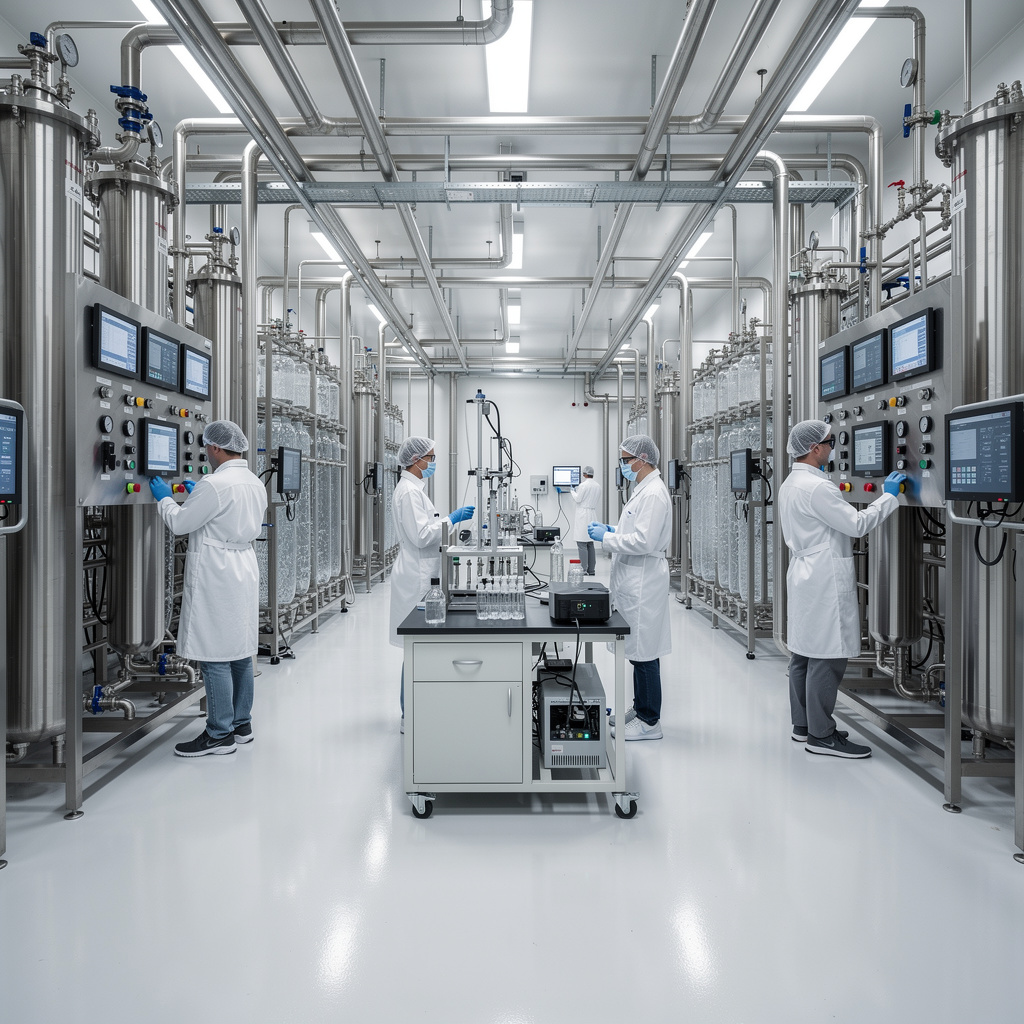
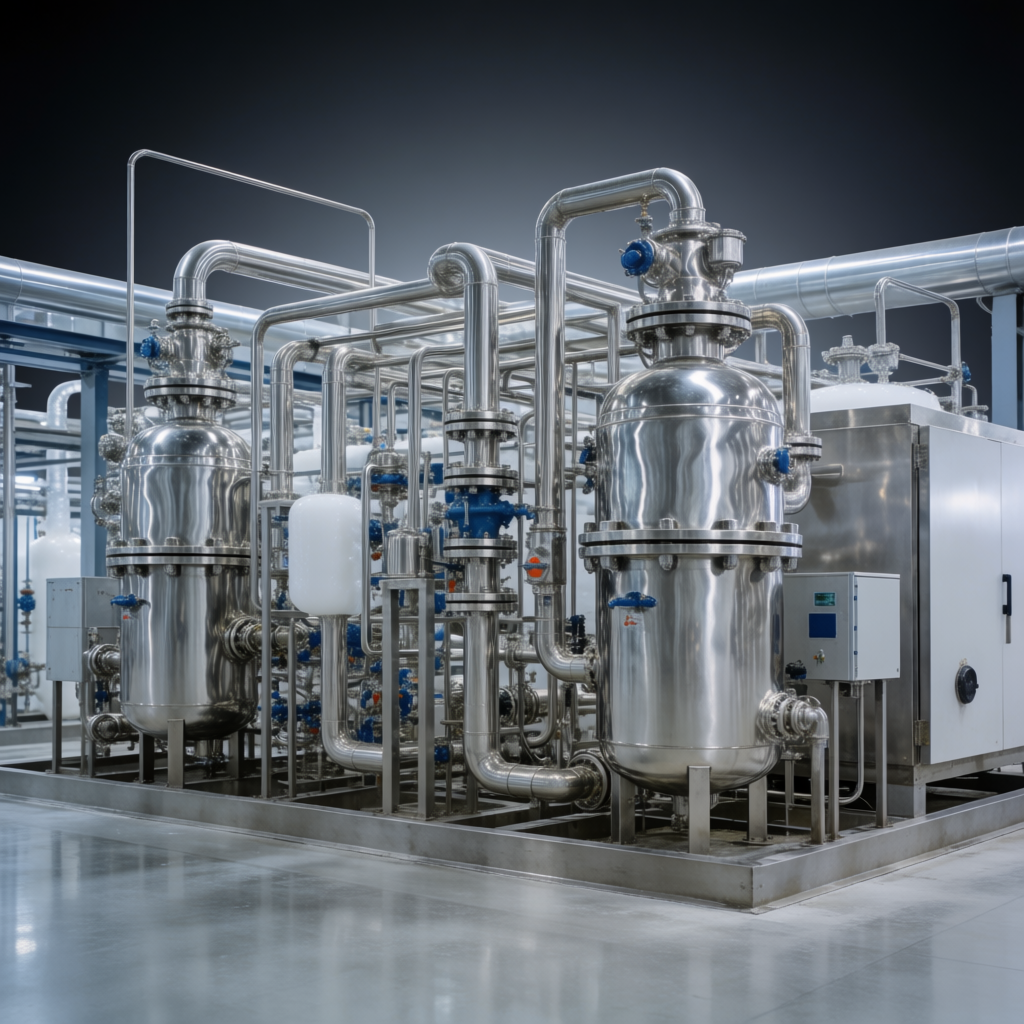
Water has become one of the most strategic resources in semiconductor manufacturing. Producing advanced microchips requires enormous volumes of ultrapure water to clean silicon wafers and maintain contamination-free production environments. As semiconductor capacity expands worldwide, water treatment systems have become just as important as manufacturing equipment itself. Ecolab's acquisition of Ovivo's electronics ultrapure water business significantly expands its presence in this specialized market and strengthens its position as a water management partner for semiconductor manufacturers.
For procurement and sustainability professionals supplying chemicals to semiconductor fabrication facilities, this development extends beyond water treatment. It highlights the growing importance of integrated environmental management, regulatory compliance and sustainability reporting across increasingly complex supply chains.
Why Ultrapure Water Is Essential
Semiconductor fabrication depends on water with exceptionally high purity. Even microscopic contaminants can affect wafer quality, reduce manufacturing yields or damage sensitive production equipment.
Ultrapure water systems remove dissolved minerals, particles, microorganisms and organic compounds through multiple treatment stages before water enters the production process.
Once used, that water must also undergo treatment before discharge, recycling or reuse, creating an ongoing need for sophisticated environmental management systems throughout semiconductor facilities.
Ecolab's Expanded High-Tech Water Business
Ecolab completed the acquisition of Ovivo's electronics business to strengthen its capabilities in ultrapure water technologies for semiconductor manufacturing. The acquisition combines Ovivo's treatment technologies with Ecolab's existing water management, digital monitoring and service capabilities while expanding the company's presence in the rapidly growing microelectronics sector.
The company has stated that these combined capabilities are intended to support greater water circularity, reduce freshwater consumption and improve operational efficiency at semiconductor manufacturing facilities.
For semiconductor operators, this means water management increasingly becomes an integrated operational service rather than a standalone treatment system.
Environmental Compliance Extends Beyond Water Quality
Managing ultrapure water involves more than producing high-quality process water. Semiconductor facilities also operate under environmental obligations covering wastewater treatment, chemical management and residual waste handling.
Environmental compliance commonly includes:
Monitoring wastewater quality before discharge.
Managing treatment chemicals safely.
Recording chemical inventories and usage.
Handling treatment by-products and residual materials.
Supporting environmental reporting and regulatory inspections.
These responsibilities require close coordination between facility operators, water treatment providers and chemical suppliers.
Implications for Chemical Suppliers
Chemical suppliers serving semiconductor customers increasingly operate within broader sustainability programmes rather than traditional purchasing relationships.
As integrated water management providers become more closely involved in facility operations, procurement teams may encounter additional requests for:
Product composition information.
Safety and regulatory documentation.
Environmental performance data.
Product stewardship information.
Supplier sustainability disclosures.
Providing accurate and current documentation can simplify customer reporting while strengthening supplier relationships.
Sustainability Reporting Is Becoming More Connected
Many semiconductor manufacturers now publish detailed sustainability reports covering water use, emissions and resource efficiency.
Integrated water management providers contribute operational data that supports these disclosures, particularly where water recycling, treatment efficiency and environmental performance are measured.
Although chemical suppliers generally remain responsible for reporting their own environmental data, closer collaboration between manufacturers and water management partners may increase requests for product-specific sustainability information.
Procurement professionals should therefore prepare for greater transparency across the supply chain rather than assuming sustainability reporting will remain limited to direct manufacturing activities.
Building Stronger Supplier Relationships
Companies supplying treatment chemicals, specialty formulations or process materials to semiconductor facilities can strengthen customer relationships through proactive environmental support.
Useful practices include:
Providing current Safety Data Sheets and regulatory declarations.
Sharing environmental and product stewardship information.
Maintaining accurate records of chemical composition.
Supporting customer sustainability questionnaires.
Responding promptly to compliance documentation requests.
These activities improve supply chain transparency while helping customers meet increasingly detailed reporting expectations.
What Procurement Teams Should Do Now
Ecolab's expansion into semiconductor ultrapure water management reflects a broader industry trend toward integrated environmental services and more comprehensive sustainability management. As semiconductor manufacturing continues to grow, procurement professionals should expect closer collaboration between manufacturers, water treatment providers and chemical suppliers.
The most effective preparation involves maintaining accurate compliance documentation, strengthening supplier communication and ensuring environmental information remains readily available. Organisations that invest in transparent reporting and proactive regulatory support will be better positioned to meet evolving customer expectations while supporting more resilient semiconductor supply chains.
Ready to source water treatment chemicals from verified global suppliers? Explore competitive offers on our platform today.