The Energy Information Administration published its July 2026 outlook shortly after the June 18 US-Iran memorandum of understanding. That report confidently forecast Brent crude falling to $74 per barrel in the third quarter of 2026. Market realities have already rendered that projection completely obsolete.
The recent collapse of the ceasefire has driven Brent crude prices sharply back above $90 per barrel. This sudden reversal creates an immediate scramble for chemical procurement teams. Feedstock costs are surging without warning.
Buyers must abandon outdated budget models and adapt to this volatile new pricing environment. The rapid shift demands proactive sourcing strategies to protect operational margins. Relying on historical data is no longer a viable business strategy.
The Collapse of the $74 Oil Forecast
The previous expectation of $74 oil relied heavily on sustained diplomatic progress. Market analysts assumed the June 18 agreement would stabilize regional energy flows. This assumption allowed chemical manufacturers to plan for lower input costs.
The ceasefire collapse shattered those expectations overnight. Geopolitical tensions instantly injected a massive risk premium back into the market. Traders rapidly bid up crude futures as supply disruption fears returned.
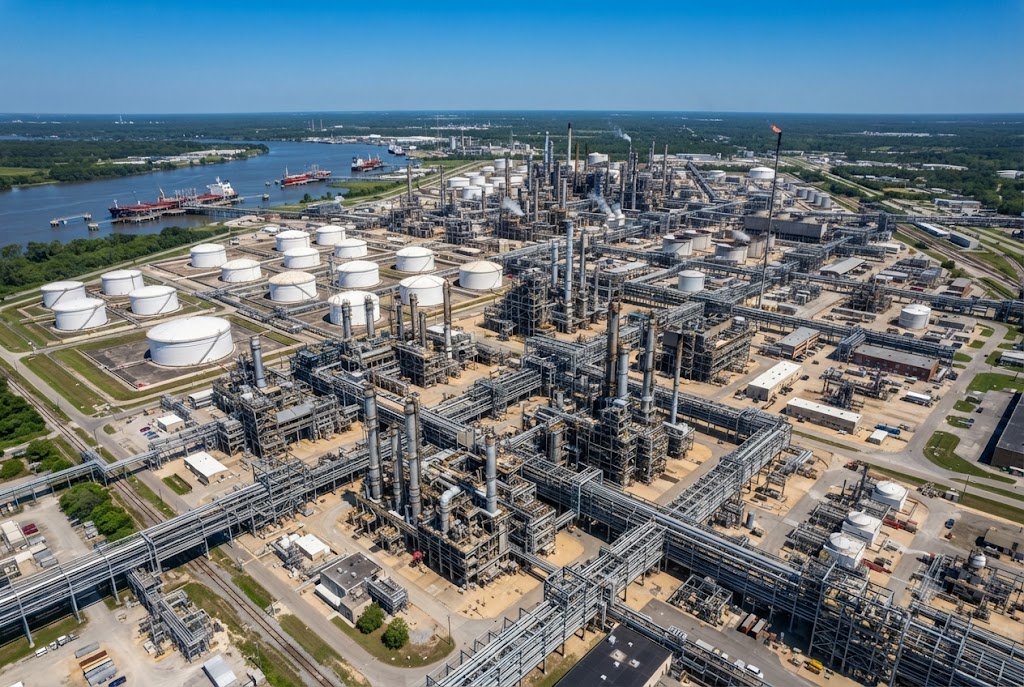
This price surge directly impacts the entire petrochemical value chain. Naphtha and ethane prices track closely with broader crude benchmarks. Chemical producers face immediate margin compression as feedstock costs outpace product price increases.
Refineries react swiftly to crude price spikes. Operators prioritize high-margin fuels like gasoline and diesel over chemical intermediates. This operational shift restricts the supply of naphtha available for steam crackers.
The resulting deficit forces chemical producers to seek alternative feedstock sources. This search drives up spot market prices even further. Naphtha premiums expand rapidly during these supply crunches.
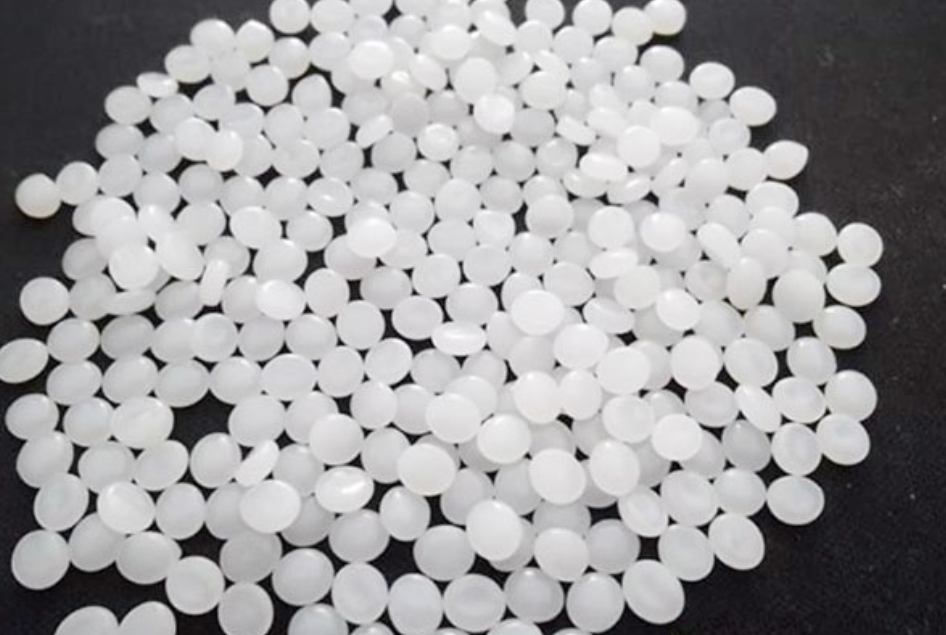
Asian and European crackers bear the brunt of this tightening market. Producers must pass these elevated costs downstream to polymer buyers. Buyers of polyethylene and polypropylene will see immediate contract price adjustments.
Suppliers will invoke force majeure or allocate volumes to protect their own margins. Procurement teams can no longer rely on historical pricing baselines. Budget forecasts require immediate recalibration to reflect current market realities.
Supply Chain Disruption and Logistics Volatility
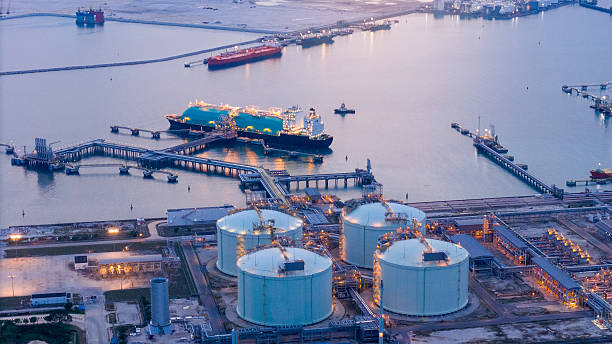
A $90 oil environment fundamentally alters maritime logistics economics. Bunker fuel costs rise in direct correlation with crude benchmarks. Shipping lines implement emergency surcharges to offset these operational expenses.
These surcharges appear as separate line items on freight invoices. Buyers must account for these hidden costs in their total landed price calculations. Vessel operators also face heightened insurance premiums in contested waters.
The combination of higher fuel and insurance costs inflates the final delivered price of imported chemicals. Buyers managing just-in-time inventory face severe budget overruns. Extended transit times further compound these logistical challenges.
Carriers may choose longer but safer routes to avoid conflict zones. This delay traps critical chemical inventory on the water and strains working capital. Port congestion at alternative loading locations creates additional bottlenecks.
Strategic Sourcing Adjustments for Procurement Teams
Chemical buyers must pivot from reactive purchasing to proactive risk management. Relying on outdated government forecasts invites severe financial exposure. Organizations must implement agile sourcing frameworks to survive this volatility.
Diversify supplier geography. Sourcing from North American ethane-based producers provides a hedge against naphtha volatility. This geographic spread minimizes exposure to Middle Eastern supply shocks.
Renegotiate contract terms. Fixed-price agreements leave buyers vulnerable to sudden market spikes. Hybrid contracts with transparent feedstock indexation share the risk more equitably.
Build strategic inventory buffers. Holding additional safety stock protects against sudden delivery delays. The carrying cost of extra inventory is lower than a production halt.
Evaluate alternative specifications. Bio-based or recycled polymers may offer more stable pricing. These alternatives often operate on different supply chain dynamics.
Navigating Downstream Demand Shifts
Sustained high oil prices eventually trigger demand destruction in end markets. Consumers reduce discretionary spending as transportation and goods costs rise. This economic slowdown directly impacts chemical consumption volumes.
Automotive and packaging sectors typically experience the first wave of demand softening. Manufacturers in these industries will aggressively seek cost reductions from their resin suppliers. Chemical buyers must prepare for intense margin pressure from their own customers.
Procurement teams should collaborate closely with internal sales and finance departments. Aligning chemical purchasing with realistic downstream demand forecasts prevents costly inventory overhang. Proactive communication with suppliers ensures better allocation during tight market conditions.
The Bottom Line for Procurement Teams
The rapid obsolescence of the EIA July forecast serves as a stark warning. Geopolitical events can invalidate long-term market projections in a matter of days. Chemical traders must treat energy market intelligence as a core operational priority.
Audit your current supply chain for single-point exposure immediately. Verify that your suppliers possess robust contingency plans for sudden price spikes. Engage logistics partners in transparent discussions about routing and cost structures.
Building resilient sourcing networks requires decisive action before the next crisis peaks. The organizations that secure flexible supply routes now will maintain production continuity. Others will face severe operational and financial consequences.
Ready to source High Density Polyethylene (HDPE) from verified global suppliers? Explore competitive offers on our platform today.