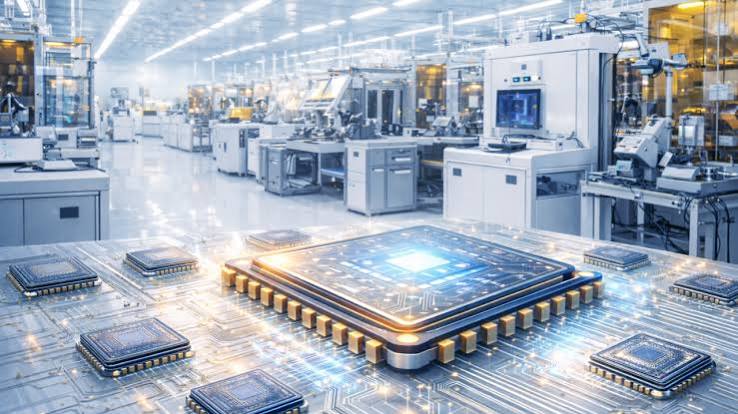
Electrolyte Materials Expansion: A 300,000-Tonne Project Signals Battery Chemical Growth
Battery electrolytes have become one of the fastest-growing segments of the specialty chemical industry.
Every lithium-ion battery depends on carefully formulated electrolyte solutions that enable lithium ions to move efficiently between the anode and cathode during charging and discharging.
The announcement of a 300,000-tonne electrolyte materials project reflects continued investment in the infrastructure supporting electric vehicles, renewable energy storage and advanced electronics.
For procurement professionals, projects of this scale provide important insight into future battery material supply.
Why Electrolytes Matter
Battery electrolytes perform several essential functions within lithium-ion cells.
They enable:
Ion transport.
Stable battery performance.
Fast charging capability.
High energy density.
Thermal stability.
Long battery life.
Without high-quality electrolyte formulations, modern batteries cannot achieve the performance required for electric vehicles or grid-scale energy storage.
Battery Growth Continues Driving Chemical Demand
Demand for electrolyte materials is supported by growth across multiple sectors, including:
Electric vehicles.
Battery energy storage systems.
Consumer electronics.
AI data centres.
Industrial electrification.
Renewable energy integration.
These industries continue expanding global consumption of advanced battery chemicals.
Electrolyte Manufacturing Requires High-Purity Materials
Typical electrolyte production depends on:
Lithium salts.
Organic carbonate solvents.
Performance additives.
High-purity processing chemicals.
Quality-controlled manufacturing systems.
Because battery performance depends on precise chemical composition, production quality standards remain exceptionally high.
Capacity Expansion Reflects Long-Term Industry Confidence
Large-scale production investments generally indicate expectations of continued demand growth.
Potential benefits include:
Increased production capacity.
Improved economies of scale.
Greater supply availability.
Enhanced regional manufacturing capability.
Lower unit production costs.
For procurement organisations, these developments may improve future sourcing options as additional capacity becomes operational.
Procurement Should Monitor Battery Supply Chains
Battery chemical sourcing increasingly requires visibility across:
Lithium markets.
Electrolyte production.
Cathode materials.
Anode materials.
Battery recycling.
Semiconductor demand.
Electric vehicle production.
Monitoring the complete value chain provides better insight into long-term supply and pricing trends.
Battery Chemical Supply Chains Continue to Mature
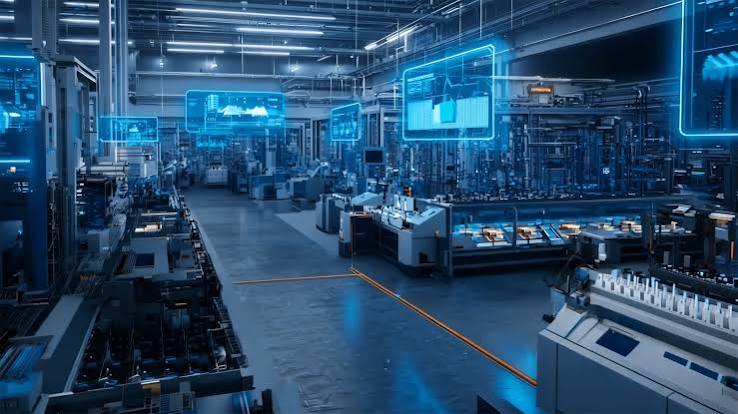
Large-scale electrolyte projects demonstrate that battery manufacturing is becoming a fully integrated global industrial ecosystem rather than a niche technology sector.
Supporting industries continue expanding alongside battery production, including:
Electrolyte manufacturing.
Lithium salt production.
High-purity solvent manufacturing.
Battery additives.
Advanced packaging materials.
Battery recycling infrastructure.
This broader industrial expansion strengthens long-term supply capacity while supporting continued innovation.
Electrolyte Demand Supports Multiple Chemical Segments
Growth in electrolyte production benefits numerous upstream specialty chemical industries.
Important supporting materials include:
Battery-grade lithium salts.
Dimethyl carbonate (DMC).
Ethylene carbonate (EC).
Ethyl methyl carbonate (EMC).
Diethyl carbonate (DEC).
High-purity electrolyte additives.
Fluorinated specialty chemicals.
As battery production expands, demand for these high-value chemical inputs is expected to grow alongside electrolyte manufacturing capacity.
Procurement Should Monitor the Entire Battery Ecosystem
Battery chemical procurement is increasingly interconnected.
Organisations should monitor:
Electrolyte production capacity.
Lithium supply.
Solvent availability.
Battery manufacturing expansion.
EV production forecasts.
Energy storage investment.
Battery recycling developments.
Tracking the complete ecosystem enables procurement teams to anticipate future supply conditions rather than reacting only to short-term market movements.
Procurement Priorities for H2 2026
Companies sourcing battery chemicals should prioritise:
Qualifying multiple electrolyte suppliers.
Monitoring new battery chemical capacity additions.
Reviewing supplier quality certifications and manufacturing capabilities.
Diversifying sourcing across key battery manufacturing regions.
Integrating EV and energy storage demand forecasts into procurement planning.
Evaluating long-term contracts for strategically important electrolyte materials.
Monitoring upstream lithium, solvent and additive supply chains.
These actions strengthen procurement resilience while supporting long-term participation in the rapidly expanding battery materials market.
Looking Ahead to H2 2026
The development of a 300,000-tonne electrolyte materials project reflects continued confidence in the long-term growth of lithium-ion battery manufacturing. Rather than representing an isolated investment, projects of this scale indicate that producers expect sustained demand from electric vehicles, renewable energy storage, industrial electrification and AI-driven digital infrastructure. As battery production expands globally, electrolyte materials will remain one of the most strategically important specialty chemical segments.
For procurement professionals, battery supply chains should be viewed as integrated ecosystems rather than individual commodity markets. Electrolytes, lithium salts, carbonate solvents, specialty additives and high-purity processing chemicals are increasingly linked through common demand drivers and shared manufacturing capacity. Monitoring these interdependencies enables organisations to improve sourcing strategies, anticipate market shifts and strengthen supply continuity.
The key lesson for H2 2026 is that battery chemicals are transitioning from a high-growth specialty market into a core pillar of global industrial manufacturing. Procurement organisations that integrate battery market intelligence, supplier capability assessments and long-term capacity expansion trends into their sourcing strategies will be better positioned to secure reliable supplies and support the next generation of electrification and energy storage technologies.
Ready to source battery-grade electrolytes, lithium chemicals and advanced specialty materials from verified global suppliers with world-class manufacturing capabilities? Explore competitive offers on our platform today.

Iodine Solution
Found this useful?