Electronics-Grade Chemicals: Specifications Buyers Should Check for Semiconductor Supply Chains
Semiconductor manufacturing depends on chemicals that meet exceptionally tight quality requirements, because even small amounts of contamination can affect wafer processing, device performance and production yields. Electronics-grade chemicals help manufacturers control these risks during cleaning, etching, surface preparation, deposition and other critical production steps.
For procurement teams, purchasing decisions must go beyond price per kilogram or a supplier's advertised purity percentage. Buyers need to assess trace-metal concentrations, particle counts, moisture levels, organic impurities, packaging cleanliness and consistency between batches. They must also confirm that the chemical meets the requirements of its intended process and that the supplier can maintain those specifications throughout regular deliveries.
As semiconductor supply chains expand across regions, a structured qualification process helps buyers reduce quality risks, compare suppliers on technical merit and maintain dependable sourcing relationships.
1. What Makes Electronics-Grade Chemicals Different?
Electronics-grade chemicals are high-purity materials designed for applications where contamination must remain within tightly controlled limits. Semiconductor manufacturers use them in processes that expose sensitive wafer surfaces to cleaning agents, solvents, acids, bases and other specialized formulations.
Unlike chemicals intended for general industrial applications, semiconductor process chemicals must meet requirements that address both the main substance and unwanted impurities. A product may show a high overall assay yet still contain individual contaminants that make it unsuitable for a particular manufacturing step.
Common chemical categories include:
High-purity acids: Sulfuric acid, hydrochloric acid and hydrofluoric acid support selected wafer-cleaning, etching and surface-treatment processes.
Solvents: Isopropyl alcohol (IPA) and other high-purity solvents help remove residues and prepare surfaces.
Oxidizing agents: Hydrogen peroxide supports cleaning and oxidation-related applications where the process permits its use.
Alkaline chemicals: Ammonia-based solutions and other high-purity bases serve specific cleaning and surface-processing requirements.
Specialty process chemicals: Formulations used in photoresist processing, electroplating and chemical mechanical planarization require application-specific controls.
Each chemical has a different contamination profile and performance requirement. Buyers should therefore avoid treating the term electronic grade as a universal specification that guarantees suitability for every semiconductor process.
2. Chemical Purity and Trace-Metal Limits
Overall purity is an important starting point, but it does not provide a complete picture of chemical quality. Trace impurities can remain significant even when the main ingredient accounts for nearly all of the product.
Metals such as iron, copper, sodium, potassium, nickel and chromium can interfere with sensitive manufacturing processes. Their impact depends on the chemical, the process stage and the manufacturer's contamination limits.
Procurement teams should check three elements of the purity specification:
Assay: Confirm the concentration of the principal chemical and the method used to measure it.
Individual trace-metal limits: Request element-specific limits and test results instead of relying only on total metallic impurity figures.
Analytical detection limits: Check whether the laboratory method can measure contaminants below the agreed acceptance limits.
A certificate reporting a metal concentration as below a detection threshold does not necessarily prove compliance if that threshold is higher than the buyer's permitted limit. Buyers should ensure the analytical method is sensitive enough for the intended application.
Suppliers should also explain how they control contamination during purification, filtration, storage and filling. The relevant specifications and test methods published by SEMI provide a useful framework for evaluating semiconductor process chemicals.
3. Particle Counts, Ionic Impurities and Organic Residues
Chemical contamination is not limited to dissolved metals. Suspended particles, unwanted ions and organic residues can also affect wafer surfaces and process consistency.
Particle control matters because microscopic contaminants may contribute to defects during sensitive manufacturing steps. Buyers should request particle-count data with clearly defined size thresholds, measurement conditions and reporting units.
Ionic impurities require equally careful attention. Depending on the chemical and its use, chloride, sulfate, nitrate and other unwanted ions may affect surface cleanliness or interfere with downstream processing.
Organic contamination is another specification to consider, particularly for solvents and process chemicals used in sensitive applications. Total organic carbon (TOC) can provide useful information for appropriate aqueous systems, while other organic compounds may require chemical-specific analytical methods.
Before approving a product, procurement teams should ask suppliers to document:
Particle counts across the size ranges relevant to the application.
Limits for critical anions and other ionic contaminants.
Organic impurity limits and the analytical methods used to assess them.
Sampling procedures, reporting units and laboratory detection limits.
4. Moisture, Concentration and Chemical Stability
A chemical can meet its initial purity requirements but still fail to perform consistently if its concentration changes during storage or transport. Moisture uptake, evaporation, temperature fluctuations and chemical degradation can all affect certain products.
For solvents such as IPA, buyers should specify acceptable water content alongside the required assay. For concentrated acids, bases and oxidizing agents, the relevant concentration range and stability requirements depend on the particular chemical and manufacturing process.
The purchase specification should identify:
Concentration and assay basis: State whether results are expressed by weight, volume or another defined basis.
Moisture limits: Set requirements where water content affects the process or product stability.
Storage conditions: Confirm temperature, light protection and other handling requirements specified by the manufacturer.
Shelf life: Define the acceptable period between production, delivery and use, including any requirements for retesting.
Material compatibility: Verify that the container, liner, seals and transfer components will not react with the chemical or introduce unacceptable contamination.
Buyers should also request evidence that the supplier maintains product stability throughout the stated shelf life. Where concentration changes could disrupt manufacturing, testing at dispatch alone may not provide sufficient assurance.
5. Packaging and Transport Can Affect Chemical Quality
Packaging is part of the chemical quality system, not simply a logistical consideration. A high-purity chemical can pick up contamination from unsuitable containers, poorly cleaned transfer lines or compromised seals.
Semiconductor buyers should evaluate the complete delivery arrangement, including filling equipment, container materials, closures, intermediate storage and transport conditions. For high-purity liquids, the compatibility and cleanliness of wetted components are particularly important.
Depending on the application and delivery volume, suppliers may use qualified drums, specialized bottles, intermediate bulk containers or dedicated bulk distribution systems. The buyer should approve the specific packaging configuration rather than assume that every container type offers equivalent protection.
Key checks include:
Container and liner material compatibility with the chemical.
Evidence of appropriate cleaning and contamination control before filling.
Tamper evidence, seal integrity and leak prevention.
Suitable transport conditions and protection against external contamination.
Traceability between the delivered container, production lot and quality documentation.
SEMI publishes standards and guidance covering liquid chemical specifications, distribution systems and materials used in chemical handling. Buyers can use relevant documents to develop technical questions for suppliers and packaging partners.
6. Certificates of Analysis and Supplier Documentation
A Certificate of Analysis (CoA) helps buyers verify whether a delivered batch meets the agreed specification. However, its usefulness depends on the information it contains and the supplier's ability to demonstrate consistent quality.
A strong CoA should identify the product, batch or lot number, relevant test results, acceptance limits and analytical methods where appropriate. It should also make clear whether the reported results come from the actual production lot or from a separate representative sample.
Procurement teams should request the following documentation before approving a new supplier:
Technical Data Sheet (TDS): Describes the chemical's properties, concentration, intended applications and relevant handling requirements.
Safety Data Sheet (SDS): Provides hazard information, protective measures, storage requirements and emergency guidance.
Certificate of Analysis: Records batch-specific test results against agreed quality criteria.
Traceability records: Link the delivered product to its production lot and relevant manufacturing or filling records.
Change-control information: Explains how the supplier communicates changes to raw materials, manufacturing processes, purification methods or packaging.
For critical applications, buyers should confirm the supplier's testing capabilities and review whether the reported results adequately cover the agreed limits. A generic certificate stating only that a product is compliant may not provide enough information for technical qualification.
7. Standards and Technical Qualification Requirements
Semiconductor chemical procurement benefits from recognized industry standards, but buyers must select the requirements that match the product and application. SEMI develops standards covering liquid chemicals, chemical distribution systems and related contamination-control methods. Its standards program includes chemical-specific specifications and analytical approaches rather than one universal grade that applies to every product.
A practical qualification process should begin with the end user's requirements. Buyers should obtain the manufacturer's approved specification and identify which parameters determine acceptance before requesting quotations from prospective suppliers.
The qualification process can follow four stages:
Specification review: Confirm the chemical identity, grade, concentration, impurity limits and intended use.
Document assessment: Review the CoA, TDS, SDS, analytical methods and supplier quality procedures.
Sample evaluation: Test representative samples against the agreed criteria and assess suitability for the intended process.
Commercial-lot approval: Confirm that material from routine production meets the approved specification before committing to regular supply.
Where necessary, qualified laboratories can provide independent analysis of trace metals, ions, particles and other relevant contaminants. Buyers should agree on test methods, sampling procedures and acceptance rules before testing begins.
Technical approval should also account for manufacturing changes. A new feedstock, purification route, filling facility or packaging material may affect product quality, even when the commercial product name remains unchanged.
8. Supplier Reliability, Lead Times and Supply Chain Risk
Semiconductor manufacturing requires dependable access to materials that meet consistent quality requirements. A supplier offering an attractive price may still create procurement problems if it cannot maintain specifications, provide complete documentation or deliver on schedule.
Buyers should evaluate suppliers using both technical and commercial criteria. This is particularly important when sourcing from overseas producers, where longer transport routes, customs procedures and regulatory requirements can add uncertainty.
Consider these factors during supplier evaluation:
Production capability: Determine whether the supplier can maintain the required grade and volume over time.
Quality consistency: Review historical CoAs and batch-to-batch variation where records are available.
Delivery performance: Assess lead times, production capacity, shipment frequency and contingency arrangements.
Regulatory documentation: Confirm the documents required for the destination market, chemical classification and transport method.
Business continuity: Understand the supplier's plans for production interruptions, logistics delays and raw-material shortages.
Secondary sourcing: Identify alternative suppliers that can meet the same technical specification and qualification requirements.
An alternative supplier should not be considered interchangeable simply because its product has the same chemical name and nominal concentration. Changes in impurity profiles, manufacturing processes or packaging may require fresh testing and customer approval.
Procurement teams should establish a documented approval process for backup suppliers before an urgent shortage occurs. This helps balance supply continuity with the quality controls that semiconductor manufacturing demands.
9. Comparing Quotes Without Compromising Quality
Electronics-grade chemicals often involve additional purification, analytical testing, specialized packaging and tighter process controls. These requirements can affect the purchase price, so buyers need to compare offers on a consistent basis.
A lower quotation may exclude important tests, use a different packaging configuration or report impurities using less sensitive analytical methods. Comparing prices without reviewing these differences can lead to an inaccurate assessment of total procurement cost.
Before selecting an offer, verify that every supplier quotes against the same requirements:
Identical chemical identity, grade and concentration.
Matching limits for critical metals, particles, ions and other impurities.
Comparable testing methods and reporting thresholds.
Equivalent packaging, delivery conditions and shelf-life requirements.
The same documentation, batch traceability and change-notification expectations.
Clearly defined responsibilities for rejected batches, replacement shipments and quality investigations.
Buyers should also consider the potential cost of production interruptions, additional laboratory testing and requalification. A supplier with stronger quality controls and dependable delivery may provide better overall value than the lowest-priced option.
The objective is not simply to purchase a high-purity chemical. It is to secure a qualified material that consistently meets process requirements at a commercially sustainable cost.
10. What Semiconductor Chemical Buyers Should Do Next
A disciplined procurement strategy combines technical specifications, supplier qualification and long-term supply planning. Buyers can reduce avoidable risk by making these requirements part of the request for quotation rather than negotiating them after selecting a supplier.
Start by creating a product-specific specification sheet that identifies critical quality parameters and acceptable limits. Then use the same document to compare quotations, assess laboratory evidence and evaluate prospective suppliers.
For each chemical, procurement teams should establish clear answers to five questions:
Does the material meet the exact grade and impurity limits required by the intended process?
Can the supplier demonstrate compliance through suitable batch-specific analytical results?
Will packaging, transport and storage preserve the agreed quality?
Can the supplier maintain consistent specifications and provide reliable documentation?
Is there a qualified alternative source if the primary supplier experiences a disruption?
These checks create a more transparent basis for purchasing decisions and help technical teams and procurement managers work toward the same quality objectives. They also support stronger supplier relationships by making expectations clear before commercial orders begin.
As semiconductor manufacturing requirements become more demanding, buyers who treat chemical specifications as a core part of sourcing can make better-informed purchasing decisions and strengthen supply continuity.
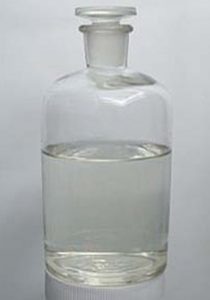
Isopropyl Alcohol (IPA) (99.7%) - China
SOURCE LINK: https://www.semi.org/en/products-services
Found this useful?