Eli Lilly Breaks Ground on $6.5 Billion Houston API and Advanced Therapeutics Plant
Eli Lilly Breaks Ground on $6.5 Billion Houston API and Advanced Therapeutics Plant
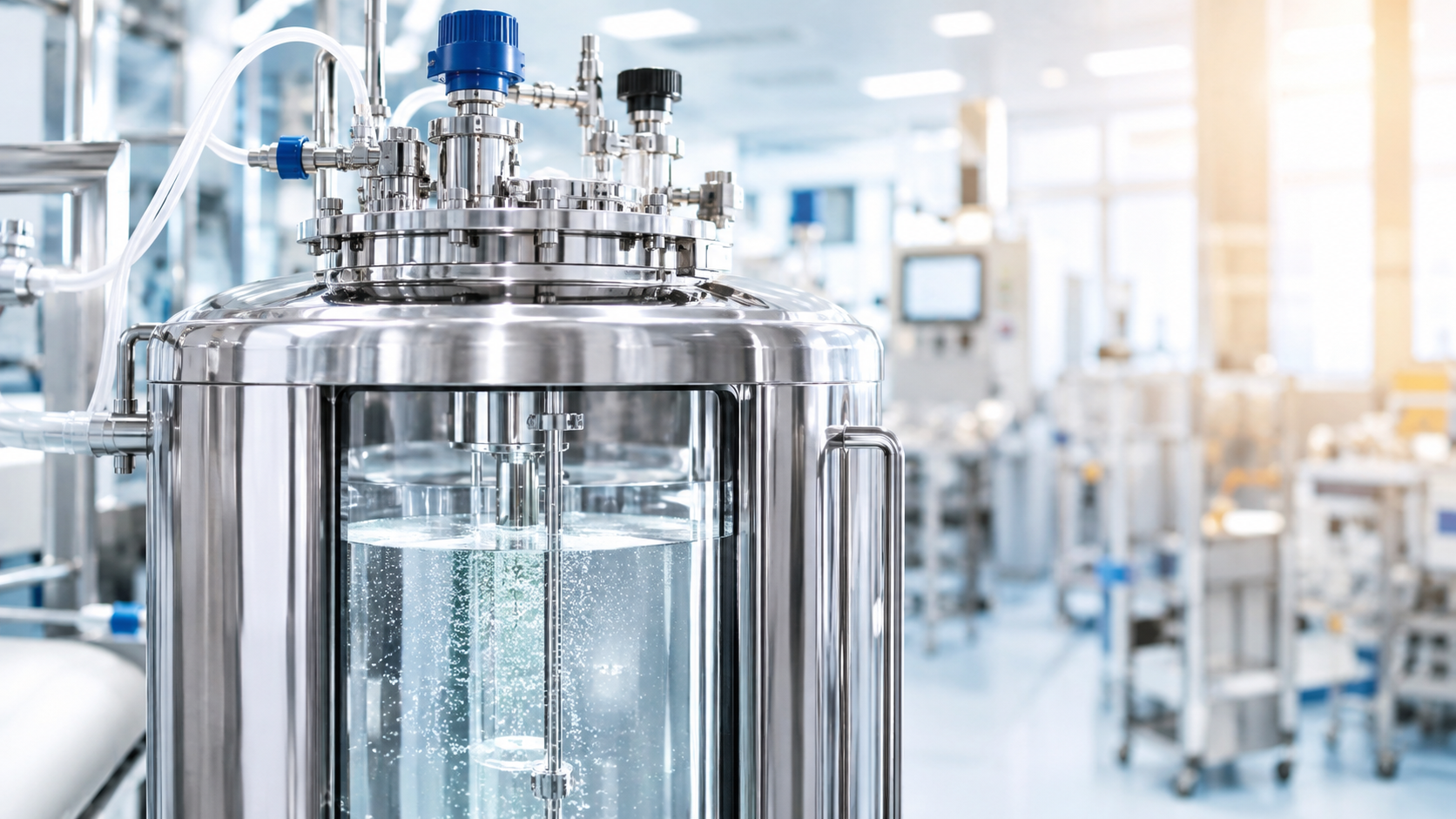
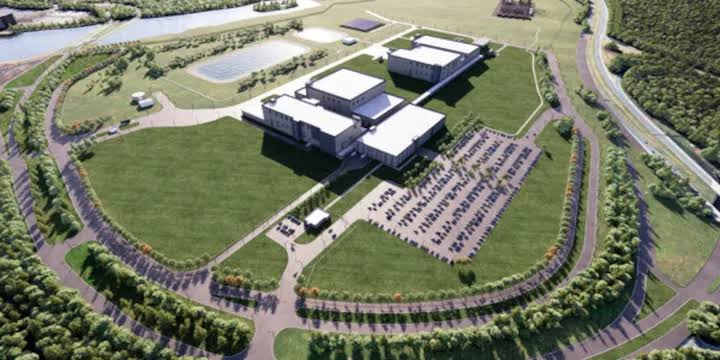
Eli Lilly has broken ground on a $6.5 billion manufacturing complex in Houston dedicated to active pharmaceutical ingredients (APIs) and advanced therapeutics. The project is one of the largest single pharmaceutical manufacturing investments announced in the United States in recent years and is designed to expand domestic capacity for key medicines, including products such as Foundayo, while embedding machine learning, artificial intelligence and digitally integrated systems into day-to-day operations. The company expects the site to create more than 600 high-wage jobs and has committed additional funding for local workforce training in partnership with San Jacinto College.
Scale and Scope of the Houston Investment
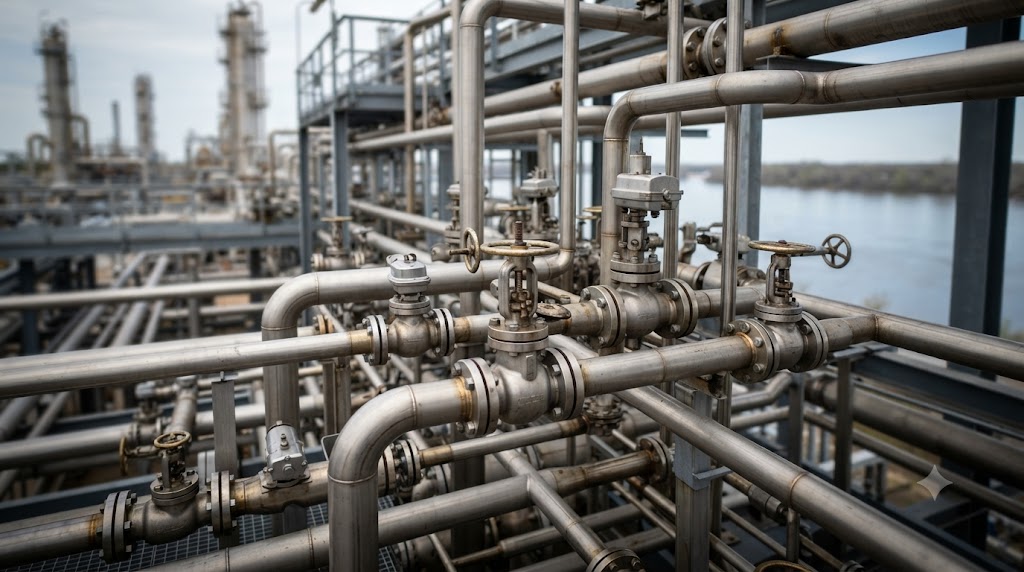
At $6.5 billion, the Houston plant ranks among the most significant greenfield or major expansion commitments in the US pharma manufacturing landscape. It will produce APIs and support advanced therapeutic modalities, reflecting Lilly’s broader push to secure supply for high-growth and strategically important products. Locating the facility in the Houston area places it within a major logistics and industrial corridor with access to skilled labour, infrastructure and chemical supply chains.
Domestic Manufacturing and Supply Resilience
The project aligns with the continuing industry and policy emphasis on strengthening US-based pharmaceutical production. Dependence on overseas API and key starting material supply has been a persistent concern for regulators and manufacturers. By adding large-scale domestic API capacity, Lilly reduces exposure to offshore disruptions for the molecules made at the site and contributes to a broader shift of critical manufacturing steps back into the United States. The investment does not eliminate upstream reliance on specialty and fine chemicals, but it does shorten and secure a major segment of the value chain for the products involved.
Digital and AI-Enabled Operations
Lilly has indicated that the Houston site will use machine learning, AI and digitally integrated systems for manufacturing. In modern API and advanced-therapeutics plants, such tools are increasingly applied to process control, quality prediction, scheduling and continuous improvement. Building these capabilities in from the design stage rather than retrofitting them later can improve consistency, reduce deviations and accelerate tech transfer and scale-up. The approach also supports the higher data and quality expectations that regulators and internal quality systems place on complex molecules and advanced modalities.
Workforce and Regional Impact
The promise of more than 600 high-wage jobs, paired with a $12.5 million workforce-training commitment with San Jacinto College, positions the project as a significant regional economic development win. Pharmaceutical manufacturing roles typically require specialised skills; early partnership with local education providers is intended to build a sustainable talent pipeline and reduce start-up risk related to staffing.
Implications for the Pharma Supply Chain
Large captive API investments by major innovators change the make-versus-buy calculus for the molecules they cover and can influence demand for contract manufacturing and for upstream fine chemicals. Suppliers of key starting materials, reagents and specialised equipment will watch the site’s technology choices and qualification timeline for potential commercial opportunities. Competitors evaluating their own network strategies will treat the Houston commitment as a data point on the cost and strategic value of onshore API capacity.
Outlook
Eli Lilly’s $6.5 billion Houston API and advanced therapeutics plant moves a major domestic manufacturing commitment from announcement to construction. Its long-term impact will depend on on-time delivery, successful process validation, and the ability of AI-enabled operations to deliver the productivity and quality gains the design anticipates. For the broader pharmaceutical chemicals sector, the project is further evidence that large innovators are prepared to deploy significant capital to secure critical API capacity in the United States—an important counterweight to the still-heavy reliance on overseas production for many drug substances.
Sources
Beet Pulp
Found this useful?