Energy Policy Whiplash: What Wright's "Hormuz Tolls Are Off the Table" Comment Means for Chemical Trade
Policy consistency plays a critical role in global chemical supply chains. Recent remarks from Energy Secretary Wright indicating that Hormuz cargo tolls are off the table contrast with an earlier proposal from President Trump suggesting a 20% fee on shipments transiting the Strait of Hormuz. For chemical producers, traders and procurement professionals, the shift illustrates how rapidly changing policy signals can influence commercial planning.
Although no new toll framework is expected under Wright's comments, the differing policy positions remind businesses that geopolitical developments remain a significant factor in supply chain risk management.
Why the Strait of Hormuz Matters
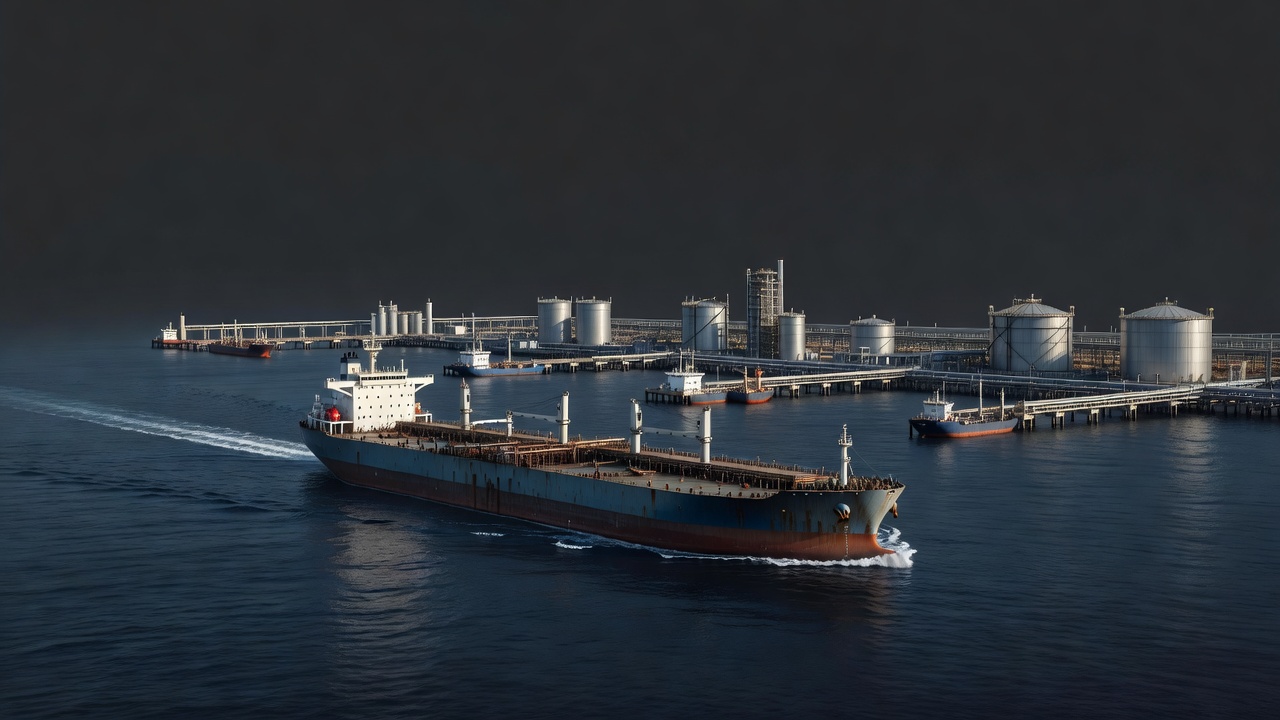
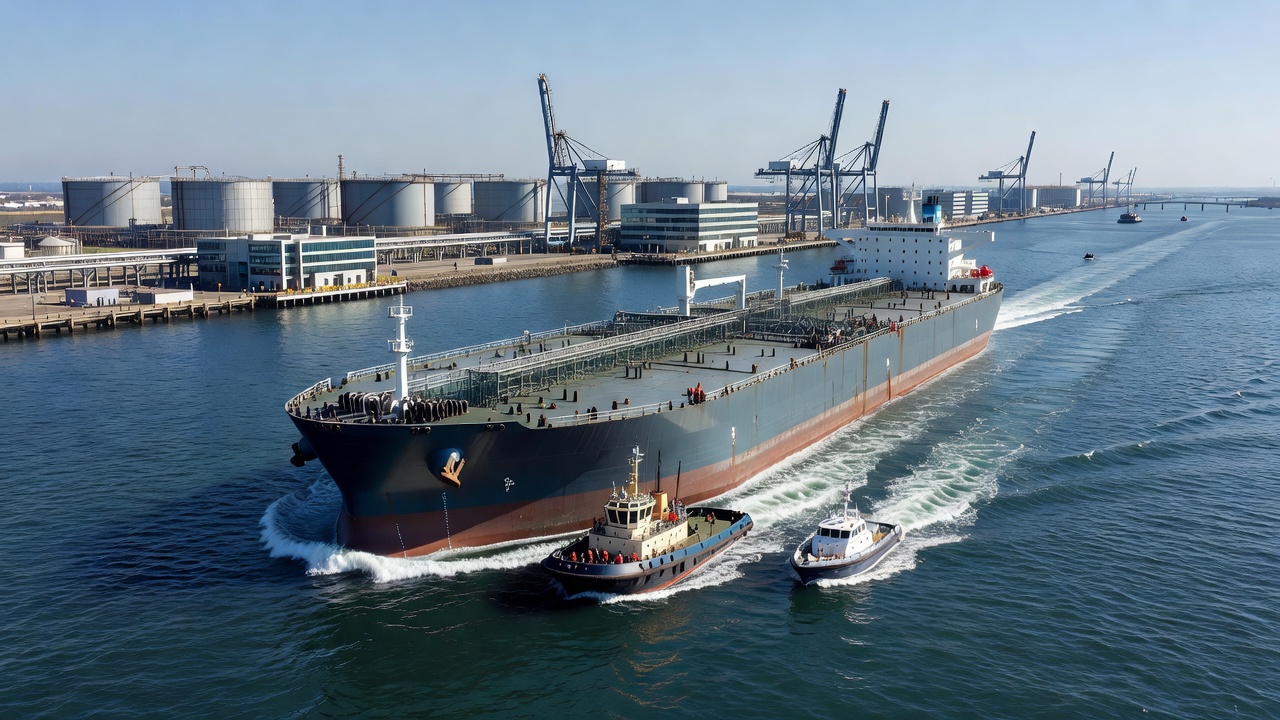
The Strait of Hormuz remains one of the world's most important energy and petrochemical transit routes.
Large volumes of the following products move through the corridor:
Crude oil.
Liquefied natural gas.
Petrochemical feedstocks.
Base chemicals.
Fertilizer raw materials.
Because many downstream chemical supply chains depend on these shipments, policy announcements affecting the route receive immediate market attention.
Why Policy Signals Matter Before Rules Change
Markets often react to policy expectations before any regulation takes effect.
Businesses may respond by:
Reviewing freight contracts.
Reassessing inventory levels.
Adjusting procurement schedules.
Revising sourcing plans.
Monitoring logistics providers more closely.
Even when proposals are later withdrawn or modified, the initial uncertainty can influence commercial decisions.
Freight Planning Depends on Regulatory Stability
Transportation costs remain a major component of chemical procurement.
Stable policy helps companies:
Forecast landed costs.
Negotiate shipping contracts.
Manage inventory efficiently.
Plan import schedules.
Reduce budgeting uncertainty.
Frequent changes in government messaging can complicate these planning activities, particularly for companies with global sourcing networks.
Procurement Teams Should Continue Monitoring Geopolitical Risk
While Wright's comments may ease immediate concerns regarding transit tolls, geopolitical risk has not disappeared.
Procurement teams should regularly evaluate:
Shipping routes.
Freight market developments.
Regional security conditions.
Insurance costs.
Supplier logistics capabilities.
A structured monitoring process supports faster responses if future policy changes emerge.
Sustainability Planning Also Requires Policy Visibility
Sustainability programmes increasingly depend on predictable regulatory and transportation environments.
Organizations pursuing long-term environmental initiatives benefit from:
Stable logistics planning.
Reliable international trade routes.
Predictable operating costs.
Consistent investment decisions.
Better supply chain transparency.
Frequent policy changes can delay investment decisions or encourage companies to diversify supply sources.
Compliance Teams Should Document Policy Developments
Even when regulations are not implemented, significant policy announcements should remain part of internal risk assessments.
Companies should:
Update supply chain risk registers.
Review contingency plans.
Maintain communication with logistics partners.
Monitor future government announcements.
Brief procurement leadership on potential developments.
These actions strengthen organizational readiness without requiring immediate operational changes.
What Procurement and Compliance Teams Should Do Now
The differing positions on Hormuz cargo tolls demonstrate how quickly policy direction can shift in today's geopolitical environment. While Wright's comments suggest that additional transit fees are no longer being pursued, procurement and compliance professionals should continue monitoring developments that could affect shipping costs, supply routes and trade planning.
Organizations that combine proactive market intelligence with flexible sourcing strategies will be better prepared to respond if future policy changes influence global chemical logistics.
Ready to source chemical products from verified global suppliers? Explore competitive offers on our platform today.

Methanol
Found this useful?