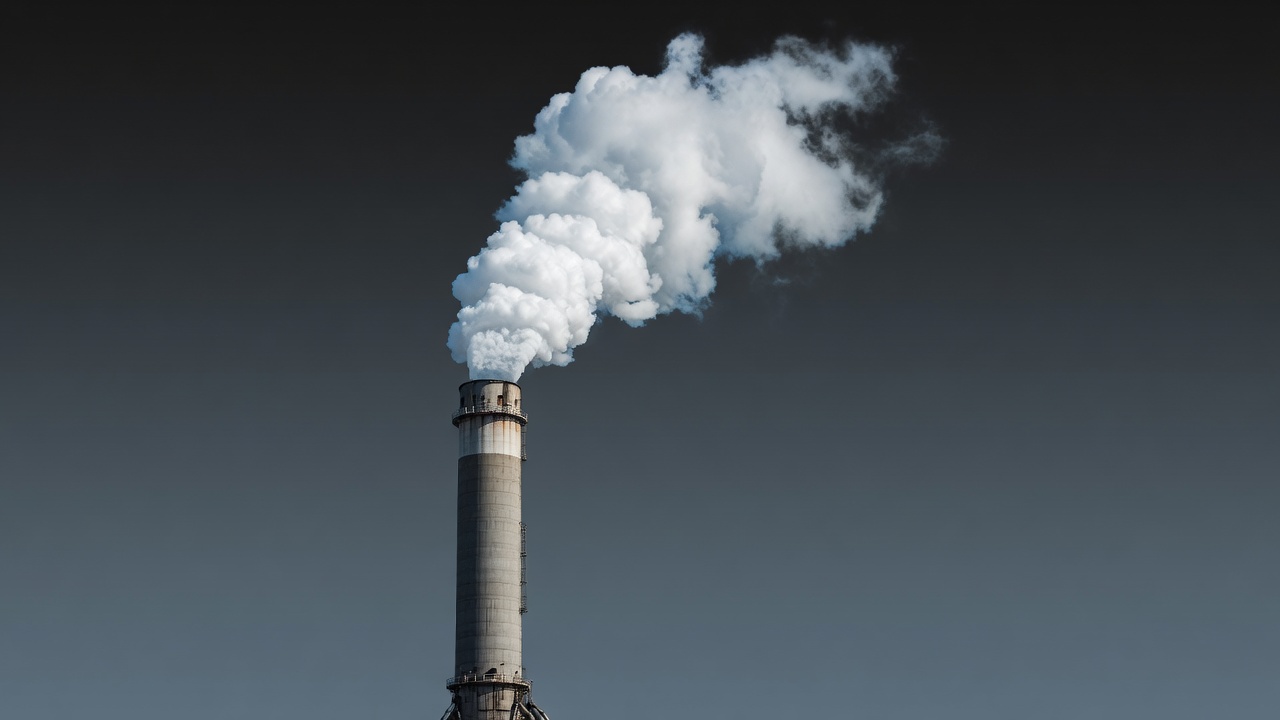
The EPA Endangerment Finding reconsideration has become one of the most closely watched policy developments for the US chemical industry. The outcome could influence how greenhouse gas emissions are regulated across manufacturing, transportation and power generation, with direct implications for industrial facilities.
For chemical manufacturers, procurement managers and exporters, this is far more than a legal debate. Since the 2009 Endangerment Finding serves as the legal foundation for federal greenhouse gas regulation, any revision could reshape compliance requirements, capital investment planning and long term operational strategies.
Why the EPA Endangerment Finding Matters
The Endangerment Finding established in 2009 determined that greenhouse gases pose a risk to public health and welfare. That determination has supported EPA authority to regulate carbon dioxide and other greenhouse gas emissions under the Clean Air Act.
According to the confirmed World Chemical Outlook 2026, the EPA formally began reconsidering the Endangerment Finding with agency partners. If this review results in significant revisions, the regulatory framework governing industrial emissions could change substantially.
What Could Change for Chemical Manufacturing
Chemical production is among the most energy intensive manufacturing sectors. Many facilities rely on high temperature processes that generate significant Scope 1 emissions through direct fuel combustion and chemical reactions.
A revised regulatory approach could affect several areas, including:
Future permitting requirements for new chemical production facilities and plant expansions.
Federal greenhouse gas emission standards that currently influence operational planning.
Long term investment decisions involving decarbonization technologies.
Compliance programs built around existing EPA greenhouse gas regulations.
Companies that recently invested in emissions reduction projects may also need to reassess how future regulatory priorities align with their sustainability strategies.
Procurement and Investment Decisions May Shift
Procurement teams often evaluate suppliers based on both commercial performance and environmental compliance. Changes to greenhouse gas regulation could alter how buyers assess long term supplier risk.
Some organizations may continue prioritizing low carbon production regardless of regulatory changes because customer expectations and investor requirements remain important. Others may delay large environmental investments while awaiting greater regulatory certainty.
This creates a more complex purchasing environment where commercial factors and environmental strategy become closely connected.
The Compliance Landscape Could Become More Complex
Although the federal regulatory framework could change, businesses should not assume environmental compliance requirements will disappear.
Several factors may continue driving emissions management:
State level environmental regulations that operate independently of federal policy.
Customer sustainability requirements across global supply chains.
Investor expectations regarding climate related risk management.
International reporting obligations for companies serving overseas markets.
As a result, many manufacturers may continue emissions monitoring even if federal greenhouse gas requirements evolve.
Supply Chain Planning Remains Critical
For chemical buyers, regulatory uncertainty increases the importance of supplier communication. Procurement professionals should understand whether suppliers have built their operations around current greenhouse gas regulations or are preparing for multiple policy scenarios.
Questions buyers may consider include:
Are suppliers continuing investments in emissions reduction technologies?
Could future policy changes affect production costs?
Are environmental reporting systems likely to remain in place?
How flexible are suppliers if compliance requirements change?
Early engagement with suppliers can reduce uncertainty during periods of regulatory transition.
Global Markets Will Continue Influencing Strategy
Even if US greenhouse gas regulation changes, international trade continues to shape business decisions.
Many chemical exporters serve customers in regions where climate related regulations remain significant. Companies shipping products internationally may still need to meet emissions reporting expectations, sustainability documentation and customer procurement standards.
This means many manufacturers will likely maintain environmental management systems to remain competitive across global markets rather than relying solely on domestic regulatory requirements.
What Buyers Should Watch Next
The EPA Endangerment Finding reconsideration represents one of the most significant US environmental policy developments affecting the chemical sector in recent years.
While the final outcome remains under review, procurement teams should continue monitoring regulatory developments alongside supplier strategies. Businesses that understand both commercial and regulatory trends will be better positioned to manage sourcing decisions, evaluate long term supplier relationships and prepare for changes affecting production costs and compliance expectations.
Ready to source chemical products from verified global suppliers? Explore competitive offers on our platform today.