
EPA Glyphosate Safety Position Shapes Food Ingredient Sourcing Decisions
The U.S. Environmental Protection Agency’s continued position that glyphosate is not likely to be carcinogenic to humans remains an important consideration for food ingredient procurement teams. For buyers sourcing crop-derived ingredients, the regulatory status of glyphosate can influence supplier selection, documentation requirements and confidence in long-term supply relationships.
The issue matters because glyphosate use connects agricultural production with downstream ingredients such as starches and other crop-based materials. Procurement teams therefore need to understand how the EPA position affects sourcing decisions while also monitoring supplier practices, customer requirements and market expectations.
EPA’s Glyphosate Safety Position and Why It Matters
The EPA has repeatedly concluded that glyphosate is not likely to be carcinogenic to humans. This position provides an important regulatory reference point for companies purchasing ingredients derived from crops where glyphosate may have been used during cultivation.
For food ingredient buyers, the significance extends beyond the chemical itself. Procurement decisions often depend on whether suppliers can provide consistent quality, suitable documentation and products that fit the regulatory requirements of the destination market.
The EPA position can support greater confidence in supply chains where glyphosate-treated crops contribute to raw material availability. However, buyers still need to assess individual sourcing programs rather than treating the regulatory position as the only procurement criterion.
How Glyphosate Connects Agriculture With Food Ingredient Supply
Glyphosate is widely associated with crop management, making its regulatory treatment relevant to agricultural commodities that eventually enter food ingredient supply chains. When these crops become raw materials for starches and other processed ingredients, buyers may need visibility into cultivation and processing practices.
The relationship between agricultural inputs and finished ingredients creates several procurement considerations:
Raw material availability: Herbicide use can form part of broader crop production systems that influence agricultural yields and commodity availability.
Supplier documentation: Buyers may request information about farming practices, processing controls and product specifications before approving a supplier.
Market access: Different markets can apply different requirements, making destination-specific compliance an important part of international sourcing.
Customer expectations: Food manufacturers may impose additional requirements on ingredient suppliers based on their own sourcing policies and customer commitments.
This makes glyphosate-related regulatory developments relevant even for buyers who do not purchase the herbicide directly. The chemical can affect the commercial environment surrounding crop-derived ingredients.
What the EPA Position Means for Ingredient Procurement
For procurement managers, the EPA’s position can help establish a clearer regulatory baseline when evaluating ingredients connected to glyphosate-treated crops. A defined regulatory position can reduce uncertainty when buyers assess whether a sourcing route fits their procurement requirements.
Still, regulatory acceptance does not eliminate the need for supplier due diligence. Buyers typically need to evaluate the full supply chain, from agricultural sourcing through processing, storage and export.
A practical procurement review should consider:
Supplier transparency: Can the supplier clearly explain the origin and processing pathway of the ingredient?
Specification compliance: Does the product meet the buyer’s technical and quality requirements?
Documentation: Can the supplier provide the necessary certificates and supporting information for the destination market?
Consistency: Can the supplier maintain reliable quality and availability across multiple purchasing cycles?
Customer requirements: Does the ingredient satisfy any additional standards imposed by downstream food manufacturers?
These factors allow procurement teams to separate regulatory considerations from broader commercial and quality decisions.

Supplier Transparency Becomes More Important
Regulatory confidence works best when suppliers can provide clear information about their products and sourcing practices. For international buyers, transparency can help reduce uncertainty when ingredients cross multiple stages of the global supply chain.
A supplier that understands its raw material sources can give procurement teams better visibility into agricultural inputs, processing conditions and quality controls. This becomes particularly valuable when customers require additional information about the origin or production of food ingredients.
Buyers should also avoid treating a single regulatory position as a complete supplier qualification process. The EPA’s glyphosate safety position addresses an important safety question, but procurement teams still need to evaluate product quality, documentation, traceability and commercial reliability.
Global Sourcing Decisions Require a Broader Risk Assessment
Food ingredient sourcing rarely depends on one regulatory factor. Buyers must consider agricultural conditions, commodity prices, logistics, processing capacity and supplier concentration alongside chemical-related requirements.
Crop-based ingredients can face supply disruptions that have little direct connection to glyphosate. Weather events, crop disease, transportation constraints and changes in agricultural output can all affect availability and pricing.
For procurement managers, this means sourcing strategies should account for several risks:
Agricultural supply risk: Crop availability can change with growing conditions and production cycles.
Logistics risk: Port congestion, freight disruptions and changing shipping costs can affect landed costs.
Supplier concentration: Heavy dependence on one supplier or sourcing region can increase exposure to disruptions.
Regulatory divergence: Different destination markets may apply different requirements to agricultural inputs and food ingredients.
Customer specifications: Downstream buyers may establish requirements that exceed baseline regulatory expectations.
A diversified supplier base can help procurement teams manage these risks while maintaining flexibility around crop-derived ingredients.
Glyphosate Considerations Across Crop-Derived Ingredients
The relevance of glyphosate extends beyond one particular ingredient. Crop-derived materials can enter multiple food and industrial applications, meaning procurement teams need to understand how agricultural inputs connect to their specific supply chains.
For starch buyers, raw material sourcing deserves particular attention because agricultural commodities represent the starting point for production. A stable upstream supply chain can support consistent availability of finished starch products.
This is especially relevant for buyers that depend on crop-based ingredients for food manufacturing. A disruption upstream can affect production schedules, inventory planning and purchasing costs even when the finished ingredient itself remains technically compliant.
The EPA position can therefore form one part of a larger procurement framework that considers both regulatory confidence and physical supply security.
Compliance Still Depends on the Destination Market
International ingredient sourcing requires buyers to look beyond U.S. regulatory positions. An ingredient can move through a global supply chain involving producers, processors, traders and food manufacturers across several jurisdictions.
That creates a need for destination-specific compliance checks. Procurement teams should understand which regulatory and documentation requirements apply to the market where the finished ingredient will be sold or used.
For exporters and importers, maintaining organized documentation can also improve transaction efficiency. Clear records allow buyers and suppliers to address compliance questions more quickly and reduce avoidable delays during supplier qualification.
The commercial advantage comes from combining regulatory awareness with strong documentation practices. Suppliers that can respond efficiently to buyer requests may become more attractive partners in competitive sourcing programs.
What Food Ingredient Buyers Should Monitor
The EPA’s continued glyphosate safety position gives procurement teams an important reference point, but market conditions can evolve. Buyers should continue monitoring regulatory developments, supplier practices and downstream customer expectations.
A strong sourcing strategy should track:
Regulatory developments: Changes in government positions can affect procurement requirements and market access.
Supplier policies: Agricultural sourcing and internal quality programs can influence buyer confidence.
Customer preferences: Food manufacturers may impose additional sourcing standards beyond regulatory requirements.
Supply availability: Crop production and processing capacity can influence ingredient availability.
Documentation quality: Complete and accessible records can support smoother supplier approval and international trade.
This approach helps buyers avoid making decisions based solely on a single regulatory issue. Instead, they can evaluate the complete commercial and supply chain picture.
The Bottom Line for Food Ingredient Procurement Teams
The EPA’s continued conclusion that glyphosate is not likely to be carcinogenic to humans provides an important regulatory foundation for sourcing decisions involving ingredients derived from glyphosate-treated crops. For food ingredient buyers, the position can support confidence while evaluating agricultural supply chains connected to products such as starch.
Yet procurement decisions require more than regulatory alignment. Supplier transparency, traceability, documentation, quality consistency, logistics and destination-market requirements all influence whether a sourcing relationship can remain reliable.
For chemical and ingredient traders, this environment creates an opportunity to strengthen supplier communication and provide buyers with clearer information about product origin and compliance. For procurement teams, it reinforces the value of evaluating regulatory considerations alongside physical supply security and commercial performance.
As global food ingredient markets become increasingly interconnected, buyers that maintain diversified sourcing options and strong supplier qualification processes can respond more effectively to changes in regulation, customer expectations and agricultural supply.
Ready to source Corn Starch from verified global suppliers? Explore competitive offers on our platform today.
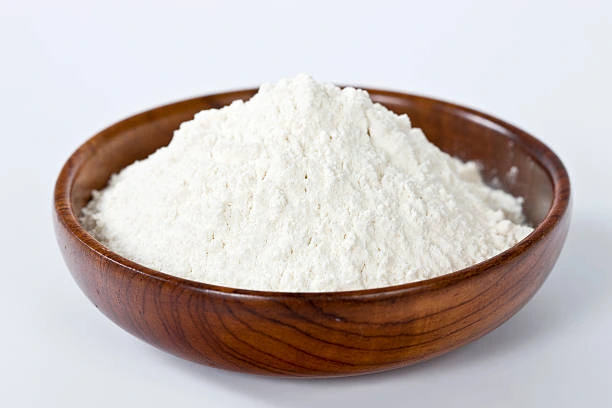
Maize (Corn) Starch
Found this useful?