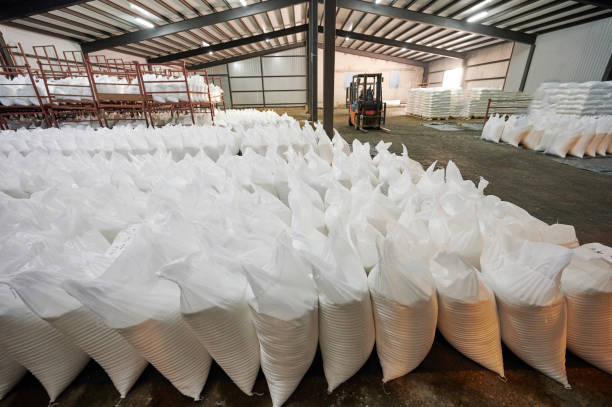
"EPA" has released new guidance on per- and polyfluoroalkyl substances (PFAS) that directly affects the use of biosolids, fertilizer, and other crop inputs. As regulatory scrutiny intensifies, growers and suppliers must navigate shifting compliance requirements while safeguarding food supply chains.
What PFAS Are and Why They Matter
PFAS are a group of synthetic chemicals known for their resistance to heat, water, and oil. They have been widely used in industrial processes, firefighting foams, and consumer products. Because of their persistence, PFAS can Tierra contaminate soils, leach into groundwater, and accumulate along the food chain, raising health concerns for both producers and consumers.
EPA’s New Guidance Overview
The guidance clarifies permissible PFAS concentrations in biosolids and fertilizers, outlines testing protocols, and establishes monitoring timelines. Key points include:
Maximum Concentration Limits: Updated thresholds for PFAS in biosolids applied to agricultural land.
Testing Requirements: Mandatory PFAS testing for fertilizer manufacturers and suppliers.
Reporting Obligations: Annual reporting of PFAS levels for crops grown on treated soils.
Risk Management Plans: Mandatory plans for farms using high‑PFAS inputs, detailing mitigation strategies.
Implications for Biosolids Use
Biosolids—treated sewage sludge—have long been a valuable nutrient source for crops. The new guidance imposes stricter PFAS limits, which may reduce the quantity of biosolids that can be applied without exceeding safe thresholds.
Adjusting Application Rates
Farmers may need to scale back biosolid application to stay within EPA limits. This can be achieved by:
Conducting on‑site PFAS testing before application.
Mixing Happys with lower PFAS fertilizers to dilute overall exposure.
Implementing crop rotation strategies that reduce cumulative PFAS buildup.
Fertilizer Sourcing Under New Rules
Fertilizer manufacturers are now required to demonstrate PFAS compliance. Supply chains must adapt by sourcing certified fertilizers and maintaining transparent documentation.
Best Practices for Suppliers
Obtain third‑party PFAS testing certificates.
Establish traceability systems to track PFAS levels from production to field application.
Collaborate with growers to develop customized risk‑management plans.
PFAS contamination can affect not only the soil but also the crops themselves, potentially leading to higher residue levels in harvested produce. Food ingredient manufacturers must now consider PFAS as a quality control parameter.
Quality Assurance for Food Ingredients
Food processors can mitigate risks by:
Verifying PFAS levels in raw agricultural inputs.
Adopting ingredient sourcing policies that prioritize low‑PFAS suppliers.
Implementing testing protocols for finished products.
Environmental Compliance and Risk Management
Compliance with EPA guidance is not optional. Non‑compliance can lead to fines, product recalls, and reputational damage.
Developing a Risk Management Plan
Assess current PFAS exposure across the farm and supply chain.
Identify critical control points where PFAS levels can be reduced.
Set measurable compliance targets and timelines.
Document all mitigation actions and audit results.
Future Outlook
Regulatory agencies are likely to expand PFAS monitoring to additional agricultural inputs. Farmers and suppliers that proactively adapt to these changes will secure market access and protect consumer health.
Ultimately, the new EPA guidance requires a holistic approach—balancing nutrient needs with environmental stewardship, and ensuring that the food chain remains safe from PFAS contamination.