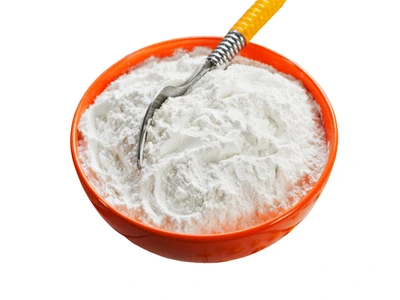
The erythritol procurement market has become increasingly connected to agricultural economics rather than fermentation capacity alone. Buyers planning reduced calorie product launches in H2 2026 face a pricing environment where upstream farming costs directly influence finished sweetener prices. Companies that continue relying on broad commodity indexes risk missing important cost signals.
Chinese producers manufacture erythritol primarily through fermentation using glucose derived from corn starch hydrolysis. As agricultural input costs rise, every stage of that supply chain becomes more expensive. The July 13 week represents the first full trading period after the ceasefire collapse when procurement teams should explicitly include this agricultural cost cascade in forward purchasing models.
Why Agricultural Feedstocks Matter More Than Ever
Erythritol differs from many synthetic chemicals because its production begins with agricultural raw materials. The fermentation process depends heavily on glucose, making corn availability and pricing critical variables for manufacturers.
Instead of viewing erythritol pricing as an isolated fermentation market, buyers now benefit from tracking several upstream indicators together. These include fertilizer costs, grain production economics and glucose market movements.
The cost transmission pathway has become increasingly important:
Higher urea prices increase the cost of growing corn through more expensive fertilizer applications. This raises production costs before grain even reaches the market.
More expensive corn raises glucose production costs because corn starch serves as the primary raw material for glucose manufacturing.
Rising glucose costs increase fermentation expenses, eventually pushing erythritol production costs higher across the supply chain.
The Link Between Urea Prices and Erythritol Costs
The recent 40% increase in urea prices creates an important procurement signal for buyers managing long term ingredient budgets. Rather than affecting erythritol directly, the increase moves through several production stages before influencing finished sweetener pricing.
This cascading effect deserves close attention because each stage amplifies procurement risk. Agricultural producers face higher cultivation expenses, glucose manufacturers pay more for starch feedstocks and erythritol producers ultimately absorb higher fermentation input costs.
For procurement managers, understanding this chain provides greater forecasting accuracy than monitoring erythritol spot prices alone.
China's Central Role in Global Erythritol Supply
China remains the leading production base for global erythritol manufacturing due to its extensive fermentation infrastructure, integrated corn processing industry and established export capabilities.
Several structural advantages continue supporting Chinese production.
Large scale corn processing facilities provide consistent glucose availability for fermentation operations.
Mature manufacturing infrastructure supports competitive production costs during stable agricultural conditions.
Export oriented supply chains allow manufacturers to serve food, beverage and pharmaceutical companies across international markets.
These strengths remain significant, yet they also mean Chinese erythritol production stays closely tied to domestic agricultural economics.
Why GLP-1 Product Development Changes Procurement Planning
Growing demand for reduced calorie foods has increased interest in erythritol among manufacturers developing products for consumers seeking lower sugar intake. Procurement decisions therefore extend beyond current inventory needs and increasingly support future product development strategies.
Companies formulating products during the GLP-1 era often build cost models months before commercial production begins. Including agricultural input costs within these forecasts produces a more realistic estimate of ingredient expenses over the coming quarters.
Forward purchasing decisions now benefit from evaluating:
Fertilizer market movements.
Corn harvest expectations.
Glucose production economics.
Fermentation operating costs.
Ocean freight and regional inventory conditions.
Ignoring any one of these factors may reduce forecast accuracy.
Supply Chain Risks Beyond Transportation
Many procurement teams traditionally focused on freight rates, port congestion and container availability. While these factors remain important, agricultural economics now represent another significant source of supply chain volatility.
Weather conditions affecting corn production, fertilizer availability and farming input costs can all influence erythritol pricing months before manufacturing output changes.
This broader perspective helps buyers anticipate cost pressure earlier in the procurement cycle rather than reacting after suppliers revise quotations.
Building Better Cost Models for H2 2026
Procurement forecasting becomes stronger when multiple upstream indicators work together instead of relying on a single commodity benchmark.
A comprehensive erythritol purchasing model should consider:
Agricultural fertilizer trends because they influence crop production economics.
Corn pricing since glucose manufacturing depends on corn starch availability.
Glucose market movements because they directly affect fermentation feedstock expenses.
Manufacturing operating costs including utilities, labor and production efficiency.
Inventory positions across producing and importing regions.
Combining these variables provides procurement teams with a more complete understanding of future pricing pressure.
Procurement Strategies for Buyers
Market uncertainty does not always require immediate purchasing, but it does require stronger planning. Buyers who monitor upstream agricultural indicators gain additional negotiating leverage when discussing supply contracts with manufacturers.
Several practical approaches can improve purchasing outcomes.
Review supplier quotations alongside corn and fertilizer market movements instead of evaluating erythritol prices independently.
Diversify procurement schedules where possible to reduce exposure to short term agricultural price spikes.
Build regular communication with suppliers regarding glucose availability and fermentation costs rather than discussing only finished product pricing.
Update financial forecasting models frequently as agricultural market conditions evolve during H2 2026.
These measures help procurement teams respond proactively instead of reacting after costs have already increased.
What Buyers Should Do Now
The relationship between fertilizer pricing, corn production and glucose availability has become a meaningful driver of erythritol procurement economics. Buyers who recognize this cost transmission pathway can produce more accurate sourcing forecasts while improving contract negotiations and inventory planning.
As agricultural markets continue influencing fermentation feedstocks, procurement professionals should expand their monitoring beyond traditional commodity indicators. A broader analytical approach supports better budgeting, stronger supplier relationships and more resilient sourcing strategies throughout H2 2026.
Ready to source erythritol from verified global suppliers? Explore competitive offers on our platform today.