ESG & Performance Intelligence: Scope 3 Weight Brief
When organisations begin measuring greenhouse gas emissions, attention often focuses on manufacturing facilities.
Energy consumption, process emissions and operational efficiency remain critically important.
However, for most chemical companies, the majority of climate impact occurs outside the factory gate.
Published industry analysis indicates that Scope 3 emissions typically account for approximately 75% to 90% of total greenhouse gas emissions across the chemical sector, largely reflecting upstream raw material production together with downstream product use and end-of-life treatment.
For procurement professionals, this changes where ESG efforts create the greatest value.
Understanding the Three Emission Scopes
Corporate greenhouse gas reporting generally separates emissions into three categories.
Scope 1
Direct emissions generated from company-owned operations.
Examples include:
Manufacturing processes.
Boilers.
Furnaces.
Company-owned vehicles.
Scope 2
Indirect emissions associated with purchased electricity, steam, heating or cooling.
These emissions are generated elsewhere but result from the company's energy consumption.
Scope 3
All other indirect emissions occurring throughout the value chain.
For chemical manufacturers these commonly include:
Purchased raw materials.
Feedstock production.
Transportation.
Packaging.
Product distribution.
Customer product use.
Recycling and disposal.
For many companies, Scope 3 represents the largest share of total emissions.
Why Scope 3 Dominates Chemical Manufacturing
Chemical production depends upon extensive global supply chains.
Every tonne of finished product may involve:
Multiple raw material suppliers.
International transportation.
Energy-intensive intermediate production.
Packaging suppliers.
Distribution networks.
Customer processing.
Consequently, emissions accumulate throughout the value chain rather than only inside the manufacturing facility.
This explains why improvements at a single production site, while important, may influence only a relatively small proportion of the company's overall emissions profile.
Procurement Has Become Central to ESG Performance
Because so much of the sector's carbon footprint originates upstream, procurement decisions increasingly influence corporate sustainability performance.
Key procurement responsibilities now include:
Supplier ESG assessment.
Raw material selection.
Supplier engagement.
Sustainable sourcing.
Carbon data collection.
Value-chain transparency.
Supplier improvement programmes.
In many organisations, procurement has become one of the most influential functions supporting climate strategy.
Supplier-Level ESG Scoring Creates Better Insight
Traditional ESG assessments often emphasised individual manufacturing sites.
Today, supplier-level evaluation is becoming increasingly valuable because it reflects the broader environmental performance of the entire supply relationship.
Effective supplier assessments may include:
Carbon intensity.
Renewable energy adoption.
Environmental management systems.
Product stewardship.
Climate targets.
Sustainability governance.
Third-party certifications.
These indicators provide a broader understanding of value-chain performance than site-level metrics alone.
Procurement Should Move Beyond Site-Level ESG Metrics
Traditional supplier assessments often concentrated on the environmental performance of an individual manufacturing site.
While operational excellence remains important, the chemical industry's emissions profile suggests that procurement teams should increasingly evaluate the entire supplier relationship.
A comprehensive supplier ESG assessment should consider:
Upstream raw material sourcing.
Feedstock carbon intensity.
Transportation emissions.
Renewable energy adoption.
Supply chain traceability.
Product lifecycle impacts.
Climate governance.
Emissions reduction targets.
This broader perspective better reflects the environmental footprint associated with purchased materials.
Why Supplier ESG Scores Matter More Than Ever
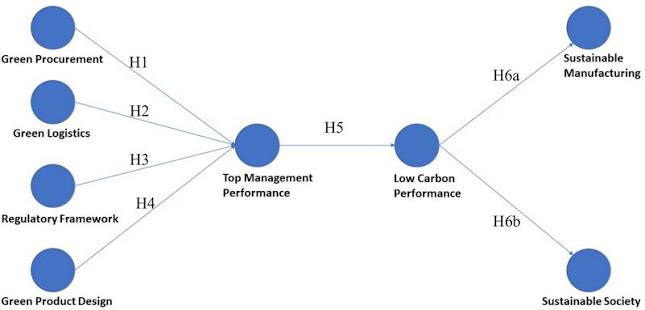
Because upstream suppliers contribute such a significant proportion of value-chain emissions, improvements at supplier level can often deliver greater overall impact than incremental efficiency gains at a single manufacturing facility.
Supplier-level ESG evaluation supports:
Better supplier selection.
Lower value-chain emissions.
Improved reporting quality.
Stronger regulatory readiness.
Enhanced customer confidence.
Reduced long-term sustainability risk.
For procurement professionals, supplier engagement has become one of the most effective levers for improving corporate ESG performance.
Scope 3 Reporting Is Becoming a Business Capability
Increasing regulatory expectations and investor scrutiny mean Scope 3 reporting is evolving beyond a compliance exercise.
Leading chemical companies are investing in:
Digital supplier data platforms.
Product carbon footprint calculations.
Supplier sustainability questionnaires.
Third-party emissions verification.
Lifecycle assessment capabilities.
Cross-functional ESG governance.
These capabilities improve both reporting accuracy and strategic decision-making.
Building an ESG-Centred Procurement Framework
A mature procurement ESG framework should combine commercial and sustainability performance.
Typical evaluation categories include:
Cost competitiveness.
Product quality.
Supply reliability.
Financial resilience.
Carbon intensity.
Environmental management.
Human rights and responsible sourcing.
Climate transition strategy.
This balanced approach supports procurement decisions that align operational performance with long-term sustainability objectives.
Looking Ahead to H2 2026
The dominance of Scope 3 emissions within the chemical industry fundamentally changes how organisations should approach ESG performance. When most greenhouse gas emissions occur across upstream suppliers and downstream value chains rather than within company-owned operations, procurement becomes one of the most influential functions in achieving corporate sustainability objectives. Supplier selection, raw material sourcing and value-chain engagement increasingly determine the environmental profile of the final product.
For procurement professionals, this means ESG performance can no longer be assessed solely through individual manufacturing sites or operational efficiency metrics. Supplier-level sustainability evaluation, carbon transparency and value-chain collaboration provide a more accurate picture of long-term environmental performance. As sustainability reporting frameworks continue evolving, organisations with robust supplier ESG programmes will be better positioned to meet both regulatory expectations and customer requirements.
The key lesson for H2 2026 is that the greatest sustainability opportunities often lie beyond the factory gate. Procurement organisations that integrate supplier ESG scoring, Scope 3 emissions management and value-chain collaboration into everyday sourcing decisions will strengthen reporting quality, improve supply chain resilience and contribute more effectively to long-term corporate sustainability performance.
Ready to source industrial and specialty chemicals from verified suppliers with transparent ESG performance and responsible sourcing practices? Explore competitive offers on our platform today.

Biotin
Found this useful?