Ethane Crackers vs Naphtha Crackers: The Competitive Structure Driving US Chemical Exports
Ethane Crackers vs Naphtha Crackers: The Competitive Structure Driving US Chemical Exports
Introduction
The global petrochemical industry relies on steam crackers to convert hydrocarbon feedstocks into essential building blocks such as ethylene, propylene, butadiene, benzene, and other petrochemical intermediates. These products are used to manufacture plastics, packaging materials, automotive components, medical products, textiles, and thousands of industrial goods.
Two of the most common feedstocks used in steam cracking are ethane and naphtha. While both produce valuable petrochemicals, they differ significantly in feedstock cost, product yield, operational flexibility, and overall economics. The United States has become one of the world's leading chemical exporters largely because of its access to abundant, competitively priced ethane derived from shale gas, while many regions—including Europe and parts of Asia—continue to rely heavily on naphtha-based production.
For chemical buyers, polymer manufacturers, and procurement professionals, understanding the differences between ethane and naphtha crackers is essential for anticipating market trends, pricing dynamics, and global supply shifts.
What Is a Steam Cracker?
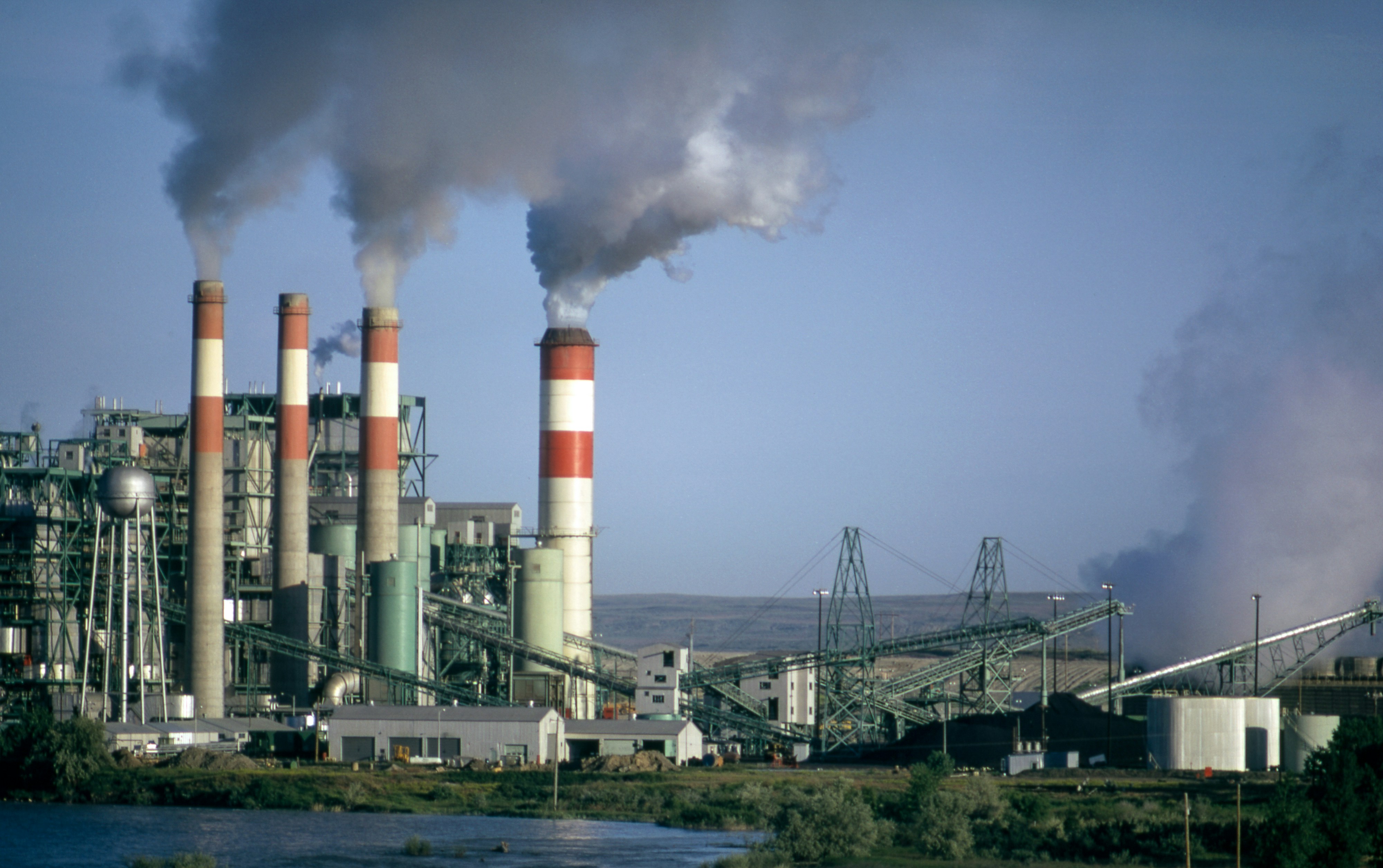
A steam cracker is a petrochemical facility that uses high-temperature steam cracking to break hydrocarbon feedstocks into smaller molecules.
The primary outputs include:
Ethylene
Propylene
Butadiene
Benzene
Hydrogen
Pyrolysis gasoline
These intermediates are then converted into products such as polyethylene (PE), polypropylene (PP), PVC, styrene, synthetic rubber, and engineering plastics.
What Is an Ethane Cracker?
An ethane cracker primarily uses ethane, a natural gas liquid (NGL), as its feedstock.
Ethane is produced during natural gas processing and has become widely available in the United States due to the rapid expansion of shale gas production.
Key Characteristics
Lower feedstock cost in regions with abundant natural gas
High ethylene yield
Lower production of propylene and aromatics
Strong competitiveness for polyethylene production
Lower carbon intensity per tonne of ethylene compared with many traditional naphtha crackers, although overall emissions depend on facility design and energy sources
Ethane crackers are particularly well suited for manufacturers focused on ethylene and polyethylene production.
What Is a Naphtha Cracker?
A naphtha cracker uses naphtha, a light petroleum fraction obtained from crude oil refining.
Unlike ethane, naphtha produces a wider range of petrochemical products.
Key Characteristics
Greater feedstock flexibility
Broader product slate
Higher production of propylene, butadiene, benzene, and aromatics
Strong integration with refinery operations
Greater exposure to crude oil price fluctuations
Naphtha crackers are often preferred by integrated petrochemical complexes serving diverse downstream markets.
Comparing Ethane and Naphtha Crackers
Feature | Ethane Cracker | Naphtha Cracker |
|---|---|---|
Primary Feedstock | Ethane | Naphtha |
Main Product | Ethylene | Ethylene + Multiple Co-products |
Feedstock Source | Natural Gas Liquids | Crude Oil Refining |
Ethylene Yield | Very High | High |
Propylene Production | Limited | Higher |
Aromatics Production | Minimal | Significant |
Feedstock Flexibility | Limited | Greater |
Exposure to Crude Oil Prices | Lower | Higher |
The choice between the two technologies depends on regional feedstock availability, product demand, and long-term investment strategy.
Why Ethane Gives the US a Competitive Advantage
The United States has developed a strong cost advantage through access to abundant shale gas resources.
Key drivers include:
Lower Feedstock Costs
Ethane prices have generally been more competitive than oil-based naphtha in the United States, improving production economics for ethylene and polyethylene.
Abundant Natural Gas Resources
The shale gas revolution significantly increased domestic supplies of natural gas liquids, supporting large-scale investment in ethane cracking capacity.
Large Export Capacity
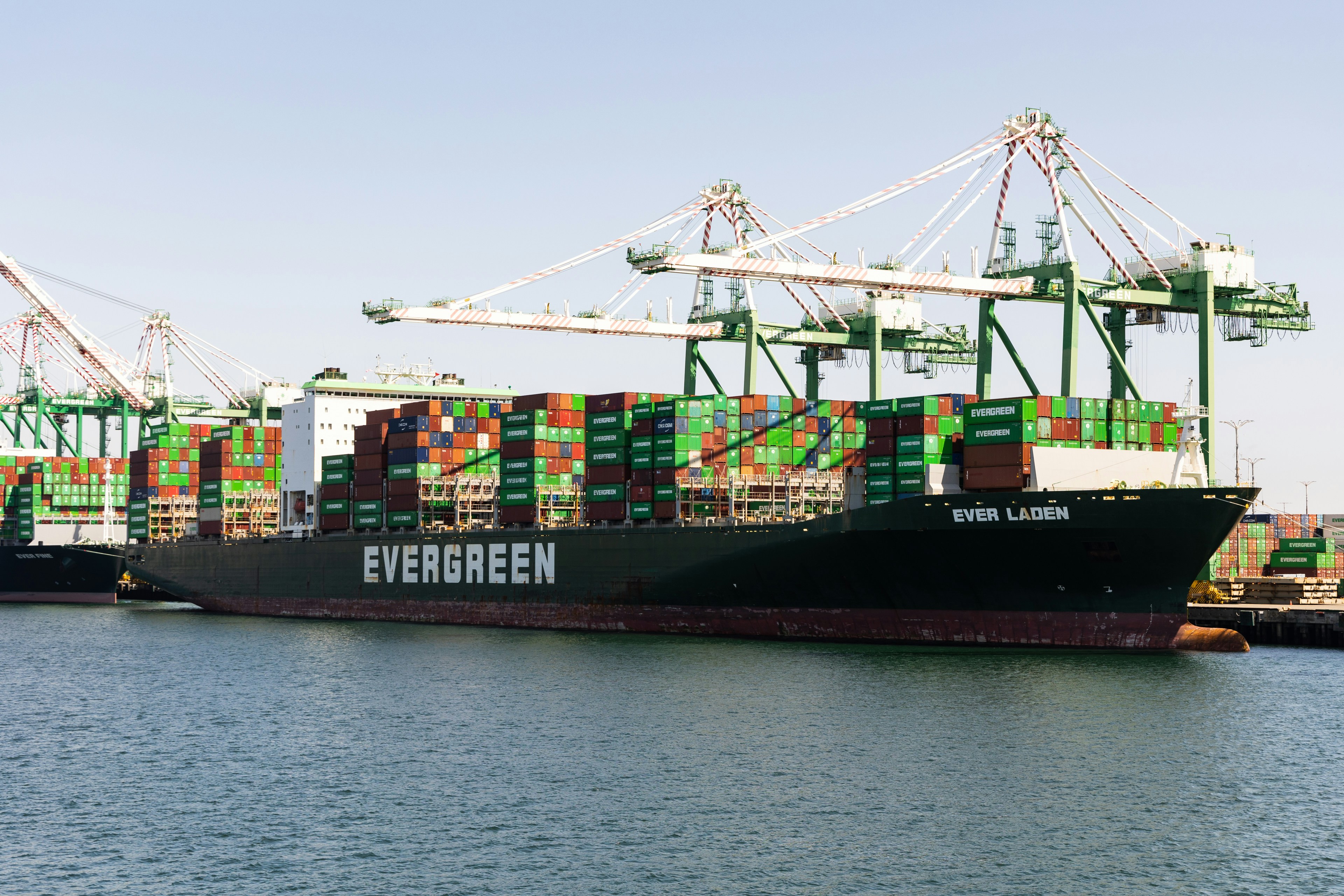
US producers have expanded export infrastructure for polyethylene, ethylene derivatives, and other petrochemical products, enabling access to global markets.
Integrated Logistics
Extensive pipeline networks, storage facilities, and export terminals improve supply chain efficiency and strengthen the country's export competitiveness.
Why Naphtha Crackers Remain Important
Despite the growth of ethane-based production, naphtha crackers continue to play a vital role in global petrochemicals.
Advantages include:
Broader product portfolio
Higher production of propylene and aromatics
Better integration with refinery complexes
Greater operational flexibility
Ability to support diverse downstream industries
Regions with limited natural gas resources often continue to rely on naphtha-based production to meet domestic demand.
Implications for Chemical Buyers
Differences in cracker technology influence the global availability and pricing of petrochemical products.
Procurement teams should monitor:
Feedstock price trends
Ethylene and propylene supply balances
Cracker operating rates
Regional production capacity
Shipping costs
Trade policies
Planned maintenance shutdowns
Understanding these factors supports better sourcing decisions.
Procurement Strategies
To strengthen procurement resilience, organizations should:
Diversify suppliers across multiple regions.
Monitor crude oil and natural gas markets.
Compare total landed costs rather than purchase prices alone.
Track new petrochemical capacity additions worldwide.
Review long-term supply agreements for pricing flexibility.
Maintain strategic inventory for critical materials.
Incorporate market intelligence into procurement planning.
These practices help reduce exposure to market volatility.
Future Outlook
Global petrochemical markets are expected to become increasingly competitive as new ethane, naphtha, and dual-feed cracking projects come online.
Emerging trends include:
Greater feedstock flexibility
Expansion of integrated refinery-petrochemical complexes
Investment in energy-efficient technologies
Increased emphasis on lower-carbon production
Digital optimization of plant operations
Continued growth in polymer demand across emerging economies
While the United States is expected to remain a major exporter of ethylene derivatives, naphtha-based producers will continue to play a critical role in supplying propylene, aromatics, and a broader range of petrochemical products.
Conclusion
Ethane and naphtha crackers each occupy an important position in the global petrochemical industry. Ethane crackers provide the United States with a significant competitive advantage in ethylene and polyethylene production due to abundant shale gas resources and lower feedstock costs. In contrast, naphtha crackers offer greater product diversity and remain essential for manufacturing a broader range of petrochemical intermediates.
For procurement professionals, understanding these competing production models is critical for interpreting market trends, anticipating price movements, and developing resilient sourcing strategies. By monitoring feedstock economics, regional capacity expansions, and global trade flows, buyers can make more informed procurement decisions and better navigate the evolving petrochemical landscape.
Diethylene Glycol
Found this useful?