Ethanol and Industrial Solvents Market Review: H2 2026 Procurement Outlook
Ethanol and industrial solvent markets are closing H1 2026 with a more balanced supply picture, but regional differences will shape procurement decisions in the second half of the year. Brazil remains competitive in global ethanol exports, India has maintained adequate domestic availability and Chinese solvent suppliers continue facing changing trade conditions.
For buyers, the next phase will focus less on immediate shortages and more on sourcing strategy. The combination of stabilising energy markets, changing import costs and regional price differences creates a new set of procurement decisions for H2 2026.
Companies purchasing ethanol, methylene chloride and other industrial solvents should prepare for a market where origin selection and contract timing become increasingly important.
Ethanol Market Review: Global Supply Conditions at H1 Close
Industrial ethanol markets have benefited from relatively stable supply conditions during H1 2026. Brazil’s bioethanol sector remained internationally competitive after a stronger-than-expected sugarcane harvest improved export availability.
This has supported Brazil’s position as a major supplier in global markets.
Key ethanol market factors include:
Strong Brazilian production supporting export competitiveness.
Stable Indian fermentation ethanol availability for domestic requirements.
Continued evaluation of international freight costs by buyers.
Demand trends across industrial and fuel-related applications.
For international buyers, the main consideration is no longer only availability but the total delivered cost from each origin.
Brazil, India and China: Different Supply Strategies
Chemical buyers entering H2 planning need to compare supplier regions carefully. Each market offers different advantages depending on freight, availability and regulatory conditions.
Brazil:
Benefits from strong agricultural output and export capability.
Remains competitive when freight economics support long-distance supply.
Provides an alternative source for buyers seeking origin diversification.
India:
Maintains sufficient domestic ethanol supply.
Remains important for regional buyers evaluating shorter logistics routes.
Requires monitoring of trade policy changes affecting related solvents.
China:
Continues to play a major role in industrial chemical supply.
Faces additional scrutiny in some EU applications.
Requires buyers to consider regulatory requirements alongside pricing.
India Duty Changes and Solvent Cost Impact
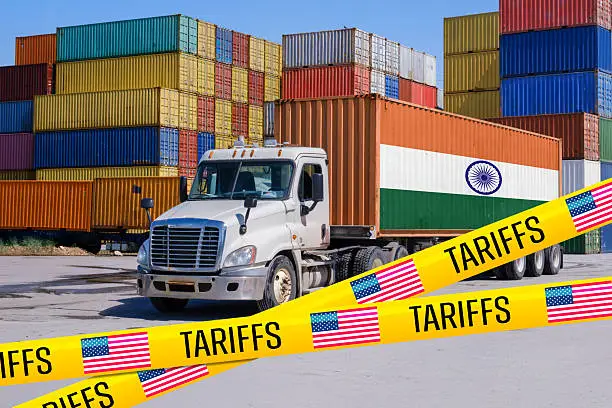
India’s duty waiver expiration creates a specific cost consideration for solvent buyers. The policy change affects imports including DCM, also known as methylene chloride, where landed costs may increase after July 1.
For buyers relying on imported solvent supply, the duty reinstatement requires updated cost calculations.
Procurement teams should review:
Existing inventory positions.
Shipment clearance status.
Supplier pricing after duty adjustments.
Alternative regional supply options.
A small percentage change in import costs can influence purchasing decisions when solvent consumption volumes are high.
Industrial Solvent Pricing Drivers in H2 2026
Industrial solvent markets depend on several interconnected factors. Energy markets matter, but they are only one part of the pricing equation.
Major influences include:
Feedstock availability.
Regional production rates.
Freight costs.
Trade regulations.
Currency movements.
Industrial demand.
As Brent crude stabilises around current levels, buyers may have a clearer reference point for Q3 negotiations. However, unexpected geopolitical developments could quickly affect market confidence.
Procurement Priorities for Ethanol and Solvents Buyers
H2 2026 planning should focus on reducing uncertainty before potential volatility returns.
Buyers should consider:
Confirming Q3 contracts early: Stable pricing conditions may create an opportunity to secure supply before market changes.
Comparing origin economics: Brazilian, Indian and Chinese offers should be evaluated based on delivered cost rather than product price alone.
Reviewing duty impacts: Import-dependent buyers need updated landed cost models after policy changes.
Maintaining supplier flexibility: Multiple sourcing options improve resilience when conditions change.
This approach helps companies balance cost control with supply security.
How Freight Differences Affect Origin Selection
For ethanol and solvent buyers, the lowest product price does not always create the best purchasing decision. Freight, insurance and delivery timing can significantly change the final cost.
A supplier with a higher product price may still provide a better commercial outcome if logistics are more efficient.
Buyers should compare:
CFR or delivered pricing.
Transit times.
Port reliability.
Documentation requirements.
Payment terms.
A complete cost analysis becomes increasingly important as regional supply options expand.
Regulatory Considerations for Industrial Solvents
Solvent markets are also influenced by regulatory requirements. Certain applications face increased scrutiny, especially when products move into regions with stricter chemical compliance standards.
Companies should monitor:
Import regulations.
Customer compliance requirements.
Documentation standards.
Regional restrictions.
Regulatory changes can affect supplier selection even when pricing remains competitive.
H2 2026 Outlook for Ethanol and Solvent Procurement
The second half of 2026 is expected to focus on optimisation rather than emergency supply management. Buyers have more opportunity to plan, compare origins and negotiate contracts.
Important market indicators include:
Brazilian export availability.
Indian trade policy developments.
Chinese export conditions.
Energy market stability.
Regional industrial demand.
Companies that prepare early will be better positioned to manage cost changes and market volatility.
The Bottom Line for Solvent Buyers
Ethanol and industrial solvent markets enter H2 2026 with a relatively stable supply foundation, but procurement decisions will become more strategic. Buyers need to evaluate origin economics, monitor duty changes and secure contracts before potential market volatility returns.
The best approach is to combine supply flexibility with accurate cost analysis. Companies that understand regional differences will have stronger control over their sourcing decisions.
Ready to source Ethanol and Industrial Solvents from verified global suppliers? Explore competitive offers on our platform today.

Ethyl Acetate
Found this useful?