Ethylene Glycol Futures Rise on Strong Supply-Side Support
Ethylene glycol futures have continued their upward trajectory, with SunSirs reporting a steady climb on July 21. This price movement stems directly from strong supply-side support in the Chinese commodity chemical market. While global chemical markets face significant headwinds, ethylene glycol stands out as a bright spot with tightening availability and rising demand. For textile and chemical buyers, this development creates both challenges and opportunities. The current market dynamics require immediate attention to sourcing strategies. Relying on historical pricing models invites severe financial exposure during these volatile conditions. Procurement teams must understand how Chinese production constraints are reshaping global supply chains. Ignoring these signals risks operational disruption and margin erosion across textile manufacturing operations.
The Mechanics of Supply-Side Support in China
Chinese chemical producers are experiencing significant operational constraints. Feedstock availability and environmental regulations have tightened production capacity for ethylene glycol. This supply limitation creates immediate market pressure as demand remains robust from downstream textile manufacturers.
The supply-side support manifests through multiple channels. Producers are prioritizing domestic sales over exports to ensure local textile industry stability. This strategic shift reduces available export volumes significantly. Additionally, production facility maintenance schedules have been extended to meet new regulatory requirements. These planned outages compound the supply tightness during peak production seasons.
Reduced export quotas: Chinese producers allocate limited volumes to international buyers.
Extended maintenance periods: Facility upgrades reduce overall production capacity.
Domestic prioritization: Textile manufacturers receive preferential access to available material.
Energy cost pressures: Natural gas price volatility affects production economics.
This combination of factors creates a structural deficit in the global ethylene glycol market. Textile buyers must recognize that these constraints are not temporary but represent a new market reality.
Impact on Textile Manufacturing Costs
The upward pressure on ethylene glycol prices directly impacts textile production economics. This chemical serves as a critical raw material for polyester fiber production. As futures prices rise, the cost of producing polyester yarn and fabric increases proportionally.
Textile manufacturers face a difficult choice. They can absorb these higher input costs, which erodes profit margins. Alternatively, they can pass these costs to garment brands, which may trigger resistance in competitive markets. Both scenarios create significant financial pressure.
Cost compression: Reduced margins force manufacturers to seek operational efficiencies.
Price negotiation challenges: Brands resist rapid price increases during economic uncertainty.
Inventory management pressures: Buyers must secure raw materials before further price hikes.
Production scheduling: Capacity constraints affect order fulfillment timelines.
The ripple effect extends through the entire textile value chain. From fiber producers to finished garment manufacturers, every participant faces margin pressure. Procurement teams must collaborate closely with their internal stakeholders to navigate these challenges.
Regional Price Divergence and Sourcing Implications
The impact of rising ethylene glycol prices varies significantly by region. Southeast Asian textile hubs face the most acute pressure. They traditionally rely on competitively priced Chinese exports. With reduced availability, these buyers must seek alternative sources at higher costs.
European manufacturers benefit from regional production but still feel the pinch. Natural gas price volatility in Europe affects local ethylene glycol production costs. This creates a dual pressure point for European textile producers.
North American buyers experience relative stability. Domestic production capacity and shale gas advantages provide some insulation. However, global market dynamics eventually influence regional pricing. The total landed cost of ethylene glycol continues to rise for all end users.
Logistics and Freight Cost Pressures
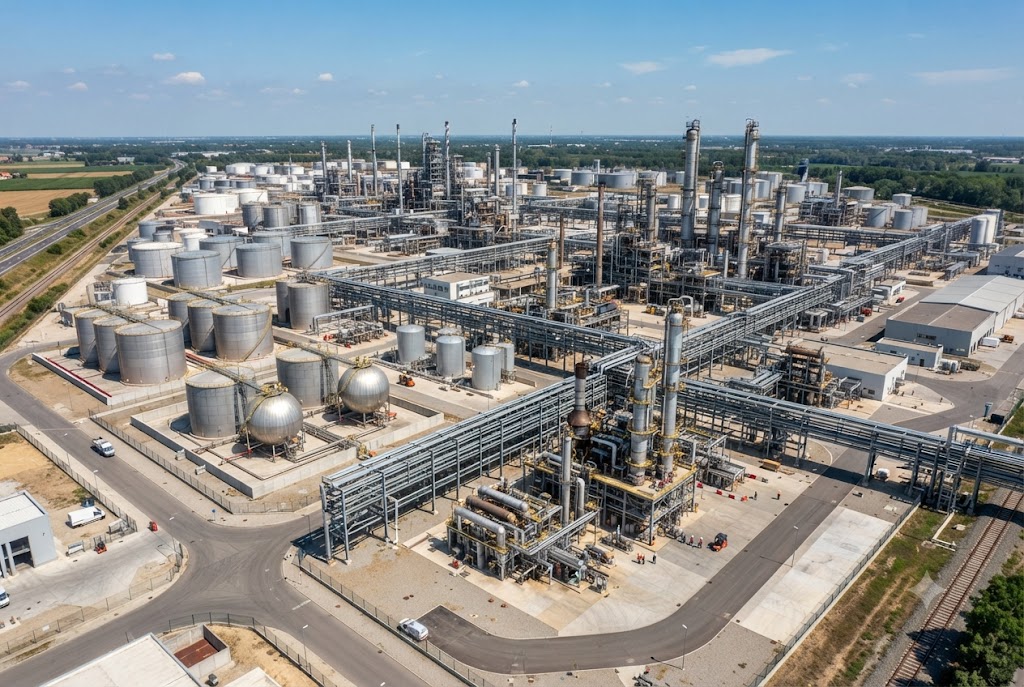
While supply constraints drive the primary price pressure, logistics costs add another layer of complexity. Ocean freight rates remain elevated due to ongoing geopolitical tensions. This increases the total landed cost of imported ethylene glycol.
Vessel availability is also a concern. Shipping lines prioritize high-value cargo during periods of tight capacity. Ethylene glycol shipments may face scheduling delays as carriers allocate space to more profitable commodities.
Freight surcharges: Emergency fees appear on final invoices due to volatile bunker fuel costs.
Port congestion: Delays at major hubs increase demurrage charges for importers.
Vessel prioritization: Lower-margin shipments face scheduling delays in tight markets.
Inventory strain: Extended transit times require higher safety stock levels.
These logistical challenges compound the supply-side pressures. Textile buyers must factor these additional costs into their procurement decisions. The total cost of ethylene glycol extends far beyond the base product price.
Strategic Sourcing Adjustments for Textile Buyers
Textile procurement teams must adapt their strategies to navigate this volatile environment. Relying on historical purchasing patterns guarantees operational disruption. Proactive diversification provides essential protection against supply constraints.
Diversify supplier geography. Qualify alternative sources in North America and Europe to reduce exposure to Chinese supply shocks.
Renegotiate contract terms. Secure fixed-volume agreements with flexible pricing mechanisms to share risk transparently.
Build strategic inventory buffers. Increase safety stock levels to cover potential supply disruptions. The carrying cost is lower than the expense of production halts.
Monitor regulatory developments. Stay informed about Chinese production policies and environmental regulations. Early intelligence allows for faster strategic pivots.
Evaluate alternative chemical grades. Consider different ethylene glycol specifications that may offer better availability or pricing.
These adjustments create a more resilient procurement strategy. They enable textile manufacturers to maintain production continuity despite market volatility.
Long-Term Market Structural Changes
The current supply constraints may signal a lasting shift in the global ethylene glycol market. Chinese producers are increasingly prioritizing domestic textile industry stability over export volumes. This strategic choice reflects broader industrial policy priorities.
Over time, this could lead to the development of new production hubs outside China. North American and European producers may expand capacity to capture market share. However, building new facilities requires significant investment and time.
Textile manufacturers should view these structural changes as opportunities for strategic sourcing. Developing relationships with emerging producers creates future supply security. Monitoring capacity expansion projects provides early access to new supply sources.
What Buyers Should Do Now
The continued rise in ethylene glycol futures signals a tightening market. Procurement professionals must not assume this trend will reverse quickly. Secure necessary volumes through reliable channels immediately.
Engage suppliers in transparent discussions about future production plans. Verify their export capabilities to ensure consistent delivery. Diversify your sourcing base to mitigate regional risks. Building resilience into your procurement strategy ensures operational continuity despite market volatility.
Ready to source Monoethylene Glycol from verified global suppliers? Explore competitive offers on our platform today.

Monoethylene glycol
Found this useful?