Ethylene Glycol: Global Market Developments and Demand Forecast
Ethylene Glycol: Global Market Developments and Demand Forecast
Ethylene glycol is an important industrial chemical used in the manufacture of polyester fibers, polyethylene terephthalate (PET) resins, packaging materials, automotive antifreeze, coolants, and other chemical products. Its market performance is closely connected to global textile production, consumer packaging demand, automotive manufacturing, and the broader petrochemical industry.
The global ethylene glycol market is experiencing a combination of long-term demand growth and short-term supply pressures. While demand for PET bottles, packaging, and polyester textiles continues to support consumption, expanding production capacity and shifting international trade flows are influencing prices, operating rates, and supplier competitiveness. For manufacturers, distributors, and procurement teams, understanding these developments is essential for planning purchases and managing supply-chain risks.
Understanding the Ethylene Glycol Market
Ethylene glycol (EG) is a colorless liquid produced mainly through the reaction of ethylene oxide with water. The market includes three principal products: monoethylene glycol (MEG), diethylene glycol (DEG), and triethylene glycol (TEG). Each serves different industrial applications, although MEG accounts for the largest share of demand because of its extensive use in polyester and PET manufacturing.
Monoethylene glycol (MEG): Primarily used to produce polyester fibers and PET resins for bottles, food packaging, films, and other plastic products. It is also used in automotive antifreeze and cooling formulations.
Diethylene glycol (DEG): Used in selected resin, solvent, plasticizer, chemical intermediate, and industrial formulation applications.
Triethylene glycol (TEG): Commonly used in natural gas dehydration, air treatment, and selected solvent and specialty chemical applications.
The performance of the overall ethylene glycol market therefore depends on several end-use sectors. Changes in polyester production and PET demand have a particularly strong influence on MEG consumption, while DEG and TEG demand is linked to their respective industrial applications.
Major Global Market Developments
1. Asia-Pacific Remains a Key Market
Asia-Pacific is a major center of ethylene glycol production and consumption, supported by its extensive polyester fiber, textile, and PET resin manufacturing industries. China plays a particularly important role because of its large downstream production base and substantial domestic ethylene glycol capacity.
Demand from packaging and textile manufacturers continues to influence regional purchasing activity. However, the expansion of domestic production capacity in China has also contributed to periods of oversupply and lower plant utilization. This means that growing end-use demand does not automatically translate into stronger prices or improved margins for producers.
For international suppliers, competition in Asia-Pacific depends on production costs, freight rates, product availability, and the ability to offer reliable deliveries to major consuming markets.
2. Supply Glut and Low Operating Rates Put Pressure on Producers
One of the central challenges facing the market is the imbalance between available production capacity and demand. When capacity expands faster than consumption, producers may face weaker selling prices, reduced margins, and lower operating rates.
S&P Global Energy reported that Chinese ethylene glycol plants operated at average rates of approximately 55%–65% in 2025, with market participants expecting similarly challenging conditions in 2026. The report also highlighted the difficulty US exporters faced in redirecting MEG volumes after trade tensions disrupted shipments to China.
These conditions can encourage producers to reduce output, delay capacity expansions, or consider rationalizing less competitive facilities. For buyers, however, oversupply can create opportunities to negotiate prices and diversify sourcing, provided that suppliers remain financially and operationally reliable.
3. International Trade Flows Are Shifting
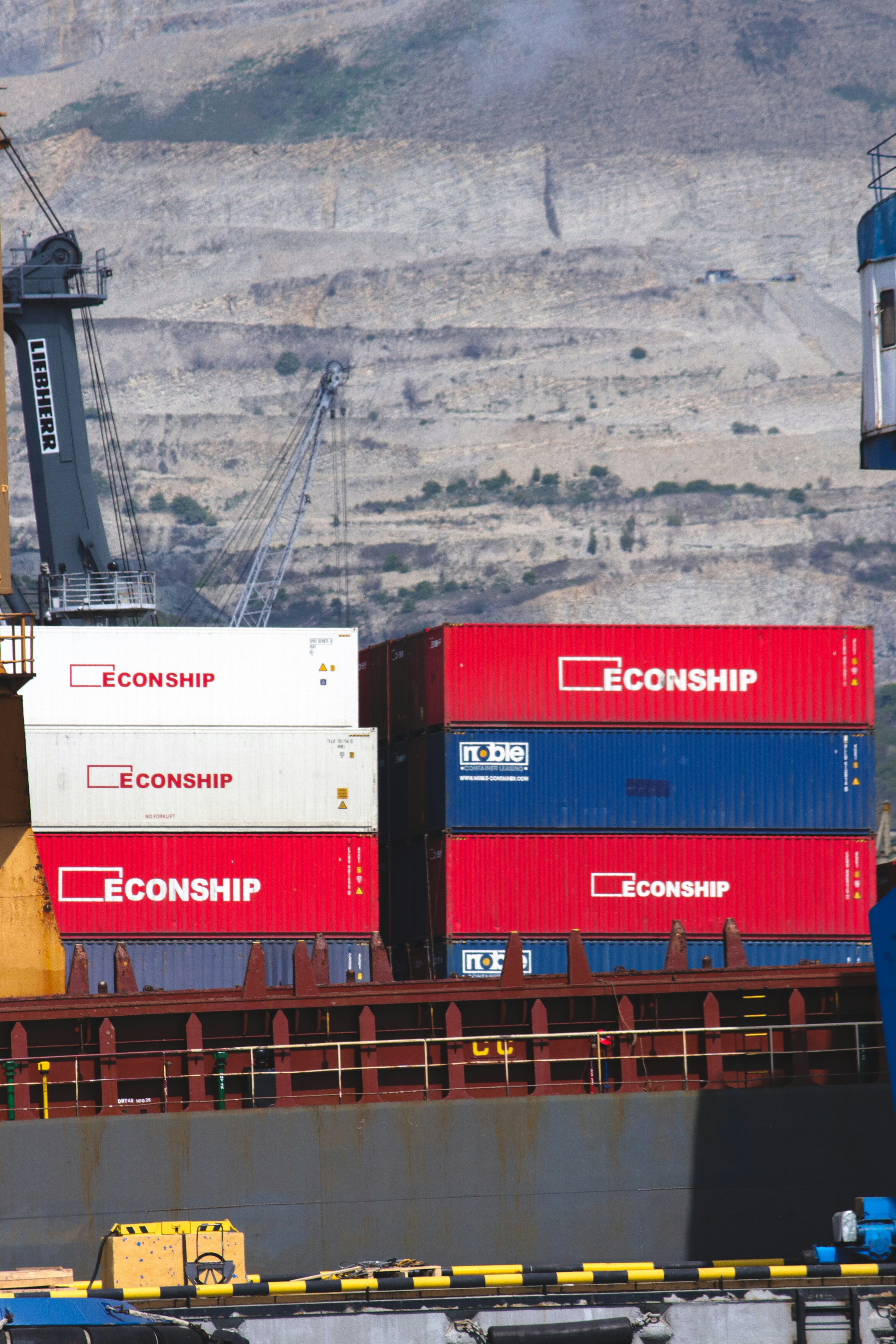
Trade relationships are an important factor in the global ethylene glycol market. Changes in tariffs, trade restrictions, shipping costs, and regional supply availability can redirect exports and alter the competitiveness of different producers.
S&P Global Energy reported in December 2025 that US suppliers were seeking alternative destinations for MEG volumes previously sold to China. Meanwhile, Chinese buyers continued to source material from suppliers in regions including the Middle East and Asia.
These shifts illustrate how geopolitical and commercial developments can influence regional availability even when global production capacity is sufficient. Importers should therefore assess not only the quoted price but also the origin of the material, shipping route, delivery schedule, and potential trade-policy changes.
4. Feedstock and Energy Costs Influence Market Competitiveness
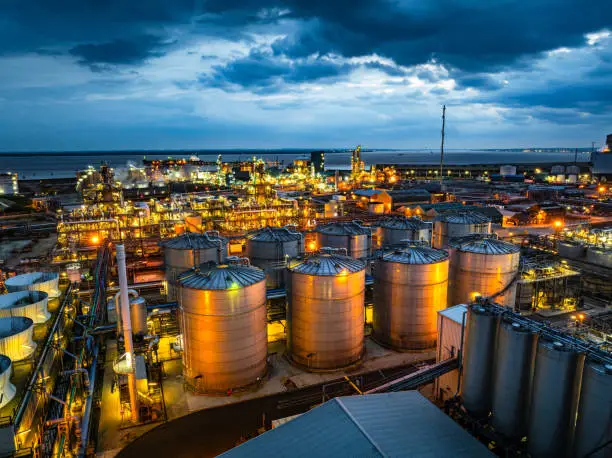
Conventional ethylene glycol production relies on ethylene oxide, which is generally manufactured from ethylene. Consequently, ethylene feedstock prices, energy costs, and plant efficiency influence production economics.
Some producers benefit from integrated petrochemical operations or access to competitively priced feedstocks. Others may face higher costs when they purchase intermediates from external suppliers or operate in regions with expensive energy.
China has also developed coal-based ethylene glycol production as an alternative to conventional routes, creating a different cost structure that depends on coal prices, plant efficiency, environmental requirements, and local operating conditions.
These differences help explain why prices and operating rates can vary between regions. Procurement teams should consider the supplier's production route and regional cost environment when evaluating long-term supply options.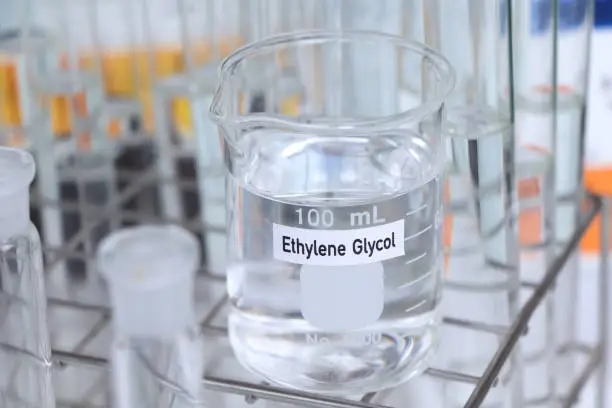
Key Drivers of Ethylene Glycol Demand
1. PET Packaging and Beverage Bottles
PET resin is one of the most important downstream applications for monoethylene glycol. PET is widely used in beverage bottles, food containers, packaging films, and other consumer and industrial products.
Demand for packaged beverages and convenient food packaging supports the need for PET resin, which in turn drives MEG consumption. Growth in urban populations, packaged consumer goods, and modern retail distribution can support long-term demand, although changes in consumer spending and packaging regulations may affect individual markets.
Recycling also plays an increasingly important role. Greater use of recycled PET can change demand for virgin resin, while improvements in collection, sorting, and recycling infrastructure may influence the balance between recycled and newly produced materials.
2. Polyester Fiber and Textile Manufacturing
Polyester fiber is another major source of ethylene glycol demand. It is used in apparel, home textiles, carpets, industrial fabrics, and various textile applications.
The expansion of textile manufacturing in Asia and other emerging markets supports demand for polyester raw materials. However, consumption is sensitive to clothing sales, inventory levels, export orders, and the broader economic environment.
When textile manufacturers increase production, demand for polyester intermediates can strengthen. Conversely, weaker consumer spending or excess textile inventories may cause mills to reduce operating rates and postpone raw-material purchases.
3. Automotive Antifreeze and Coolants
Ethylene glycol is widely used in automotive antifreeze and engine-coolant formulations because of its ability to lower the freezing point and raise the boiling point of water-based mixtures.
Demand is supported by vehicle production, vehicle maintenance, and replacement coolant requirements. Industrial cooling systems also use glycol-based fluids in suitable applications.
The development of electric vehicles may change the design and requirements of thermal-management systems, but it does not mean that all demand for glycol-based fluids will disappear. Product suitability depends on the specific cooling system and formulation requirements.
For suppliers, automotive applications can provide demand beyond the polyester and packaging sectors, although the relative contribution varies by market and product grade.
4. Industrial and Specialty Chemical Applications
DEG and TEG serve a range of industrial uses, including selected solvents, resins, chemical intermediates, and gas-processing applications. TEG, in particular, is widely associated with natural gas dehydration.
Demand in these segments is influenced by industrial production, natural gas processing activity, construction-related applications, and the performance of downstream chemical manufacturers.
Because these products serve different markets from MEG, buyers should assess demand and supply conditions by product type rather than assuming that all ethylene glycols follow the same price trends.
Global Ethylene Glycol Demand Forecast
The medium- and long-term outlook for ethylene glycol is generally supported by continued demand for PET packaging, polyester textiles, and automotive fluids. Nevertheless, forecasts differ according to the market definition, product coverage, geographic scope, and assumptions used by individual research providers.
One market estimate published by Fortune Business Insights in October 2026 valued the global ethylene glycol market at approximately US$23.5 billion in 2025 and projected growth from US$24.43 billion in 2026 to US$33.79 billion by 2034, representing a forecast compound annual growth rate (CAGR) of 4.1%.
These figures represent a commercial market-revenue forecast, not a direct forecast of physical consumption in tonnes. Revenue growth can be influenced by selling prices, product mix, and exchange rates as well as by changes in demand volume.
Several factors are likely to shape the outlook:
PET packaging demand: Continued use of PET in beverage bottles and other packaging applications is expected to support MEG consumption.
Polyester production: Textile manufacturing and demand for polyester fibers will remain important influences on global consumption.
Capacity expansion: New production facilities, particularly in Asia, may increase supply faster than demand and maintain competitive pressure.
Regional cost differences: Feedstock availability, energy prices, and production technology will influence which suppliers remain competitive.
Trade and logistics: Tariffs, freight costs, shipping disruptions, and changes in trade routes may alter regional prices and availability.
Recycling and sustainability: Greater recycling of PET and changing packaging requirements may influence future demand for virgin materials.
The market's long-term growth potential should therefore be considered alongside near-term oversupply risks. A growing market can still experience periods of low prices when new capacity comes online faster than downstream consumption expands.
Regional Market Outlook
Asia-Pacific
Asia-Pacific is expected to remain central to global ethylene glycol demand because of its extensive PET, polyester, and textile manufacturing industries. China is a key producer and consumer, while other Asian markets contribute through textile production, packaging, and imports of chemical feedstocks.
The region's outlook will depend on the pace of downstream manufacturing growth, domestic plant utilization, export competitiveness, and the balance between new capacity and consumption. Buyers may benefit from a wide supplier base, but they should compare offers carefully because product availability and delivered costs can differ considerably.
North America
North America benefits from an established petrochemical industry and access to ethylene feedstocks. Integrated production can provide cost advantages under favorable feedstock conditions, making the region an important source of export supply.
However, export economics depend on the availability of overseas buyers, freight costs, trade policies, and competition from other low-cost producers. US suppliers may need to redirect cargoes when demand in a major destination weakens or trade conditions change.
Europe
European ethylene glycol producers operate in a market influenced by energy costs, import competition, and the performance of regional packaging and textile industries. Higher production costs can make it difficult for some facilities to compete with suppliers in lower-cost regions.
Trade measures and regulatory developments may also influence the competitiveness of imported material. Buyers should monitor changes in import policy, local production economics, and supplier availability when planning purchases.
Middle East
The Middle East is an important source of petrochemical exports, supported by regional production capacity and access to international shipping routes. Its competitiveness is influenced by feedstock economics, operating reliability, and the cost of delivering material to Asian, European, and other markets.
Shipping disruptions or constraints affecting major maritime routes can alter delivery schedules and freight costs, even when production capacity is available. Importers should consider these risks when choosing suppliers and establishing inventory targets.
Ethylene Glycol Pricing and Procurement Considerations
Ethylene glycol prices are influenced by the relationship between production capacity, downstream demand, feedstock costs, and international trade. Prices can differ by region and contract basis, so buyers should avoid relying on a single global benchmark when evaluating offers.
Factors That Influence Prices
Feedstock costs: Changes in ethylene and ethylene oxide prices can affect the economics of conventional production.
Supply and demand balance: New capacity, plant outages, production cuts, and changes in downstream purchasing activity can move prices.
Regional competition: Imports from lower-cost producers may place pressure on local prices, particularly when regional capacity utilization is low.
Freight and insurance: Shipping costs, route availability, and insurance premiums affect the final delivered price.
Product specifications: Purity, grade, packaging, and documentation requirements can affect supplier selection and total purchasing cost.
Contract structure: Spot purchases offer flexibility, while longer-term contracts can improve supply predictability but may reduce a buyer's ability to benefit from sudden market declines.
Best Practices for Industrial Buyers
Procurement teams can manage market volatility by defining technical requirements before requesting quotations, comparing offers on a consistent delivery basis, and maintaining visibility into supplier lead times.
Buyers should evaluate the following factors:
Product type, grade, purity, and required specifications.
Origin of the material and production-route considerations where relevant.
Price basis, currency, payment terms, and delivery location.
Freight, insurance, packaging, and unloading costs.
Supplier quality documentation and batch traceability.
Historical delivery performance and production reliability.
Availability of alternative qualified suppliers.
Inventory requirements and the potential impact of shipment delays.
For continuous operations, a balanced sourcing strategy may combine contracted volumes with limited spot-market purchasing. The appropriate approach depends on consumption stability, storage capacity, cash-flow requirements, and tolerance for price risk.
Sustainability and the Future of Ethylene Glycol
Sustainability is becoming more relevant to the ethylene glycol value chain, particularly because of its connection to PET packaging and polyester textiles. Chemical recycling, improved PET collection, and greater use of recycled feedstocks may change the balance between virgin and recycled material demand.
Bio-based production routes are also being explored as alternatives to conventional fossil-based feedstocks. Their commercial competitiveness depends on feedstock availability, processing efficiency, production costs, product quality, and the ability to scale manufacturing.
These developments are unlikely to affect every application at the same pace. Buyers should distinguish between technologies that are already commercially available and those that remain at an early stage of development. Claims concerning recycled or bio-based content should be supported by suitable supplier documentation and verification.
Conclusion
The global ethylene glycol market is shaped by two competing forces: sustained demand from PET packaging, polyester textiles, and automotive applications, and ongoing pressure from capacity expansion, regional oversupply, and changing trade flows.
Asia-Pacific remains a major center of production and consumption, while feedstock economics and international logistics influence the competitiveness of suppliers in North America, the Middle East, and Europe. Although long-term market forecasts generally indicate continued revenue growth, short-term prices and margins may remain volatile.
For chemical manufacturers, distributors, and procurement professionals, the most effective strategy is to monitor downstream demand, compare regional supply conditions, evaluate total delivered costs, and maintain reliable alternative sources. These measures can help businesses respond more effectively to changing market conditions while securing the ethylene glycol grades required for their operations.
Source Links
S&P Global Energy – Global Glycols Trade Flows and 2026 Market Outlook: https://www.spglobal.com/energy/en/news-research/latest-news/chemicals/122925-commodities-2026-global-glycols-trade-flows-shifts-from-china-amid-trade-tensions
Fortune Business Insights – Ethylene Glycol Market Size, Share and Forecast, 2026–2034: https://www.fortunebusinessinsights.com/ethylene-glycol-market-110172
S&P Global Commodity Insights – Chemical Economics Handbook: Ethylene Glycols: https://www.spglobal.com/content/dam/spglobal/ci/en/documents/products/pdf/CI_0325_Global_CEH_Ethylene_Glycols_Abstract.pdf
Reports and Data – Ethylene Glycols Market: https://www.reportsanddata.com/report-detail/ethylene-glycol-market
2-Ethyl Hexanol
Found this useful?