EU Anti-Dumping and the Sustainability Trade-Off: High-Cost vs Low-Carbon
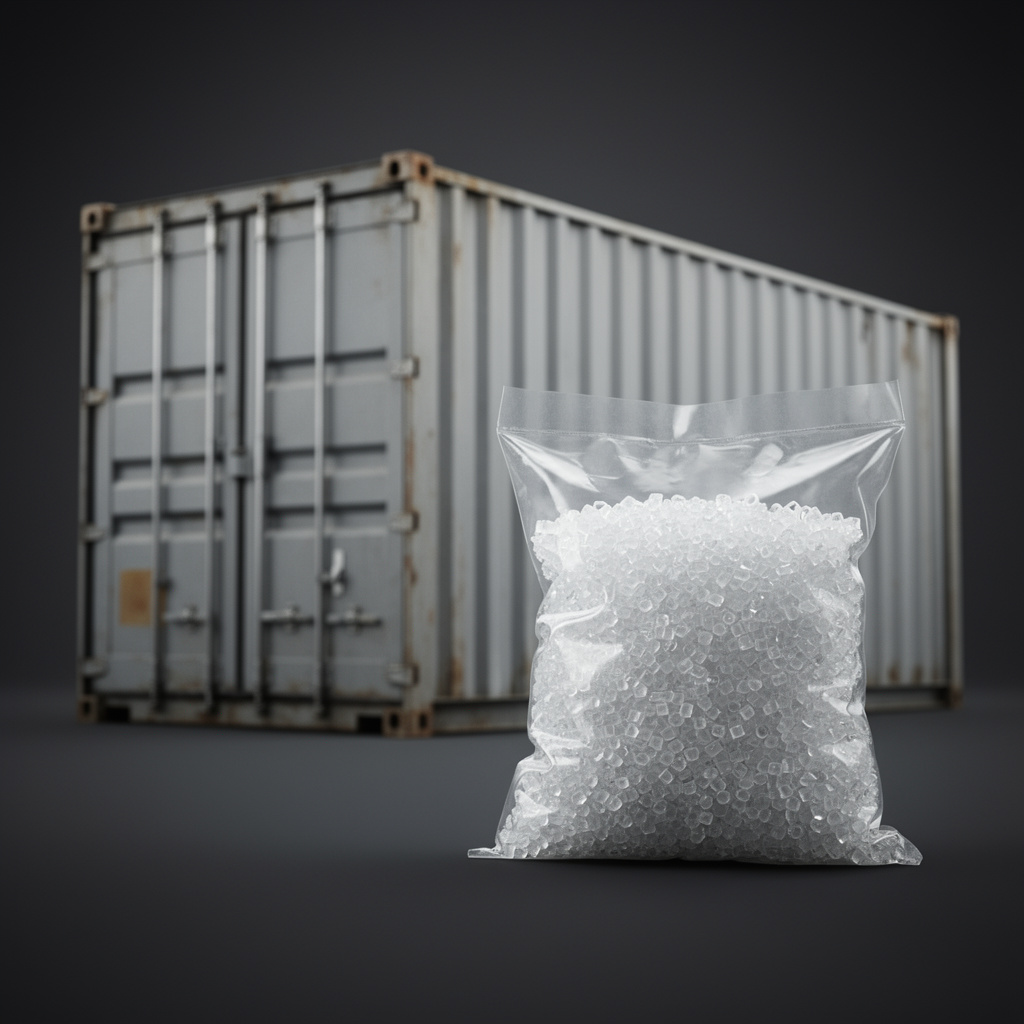
Trade policy and sustainability often intersect in unexpected ways. The UK's Trade Remedies Authority investigation into Linear Low Density Polyethylene (LLDPE) imports, together with broader European anti-dumping investigations involving Chinese chemical products, demonstrates that sourcing decisions increasingly involve both commercial and environmental considerations.
For procurement professionals, evaluating sustainability requires more than comparing manufacturing emissions between suppliers. Transportation distance, logistics routes and total life cycle emissions also influence the environmental footprint of imported chemical products. Looking at only one stage of the supply chain can produce an incomplete assessment.
Why Anti-Dumping Measures Matter Beyond Trade
Anti-dumping investigations primarily focus on maintaining fair competition by addressing imports sold below their normal market value.
However, these measures can also influence sourcing patterns across chemical supply chains. When duties change the economics of imported materials, buyers may shift toward alternative suppliers, creating indirect sustainability implications.
For companies purchasing LLDPE, sourcing decisions can affect both procurement costs and carbon emissions.
Understanding both dimensions supports more balanced decision-making.
Production Carbon Intensity Is Only One Part of the Picture
LLDPE produced in the United States commonly uses ethane feedstock derived from shale gas.
This production route generally delivers a lower manufacturing carbon intensity than certain alternative production pathways.
As a result, procurement teams evaluating suppliers may initially identify US-produced LLDPE as the lower-carbon manufacturing option.
However, production emissions represent only one component of the product's total environmental footprint.
Transportation Emissions Also Influence Sustainability
Imported materials must travel from production facilities to the final customer.
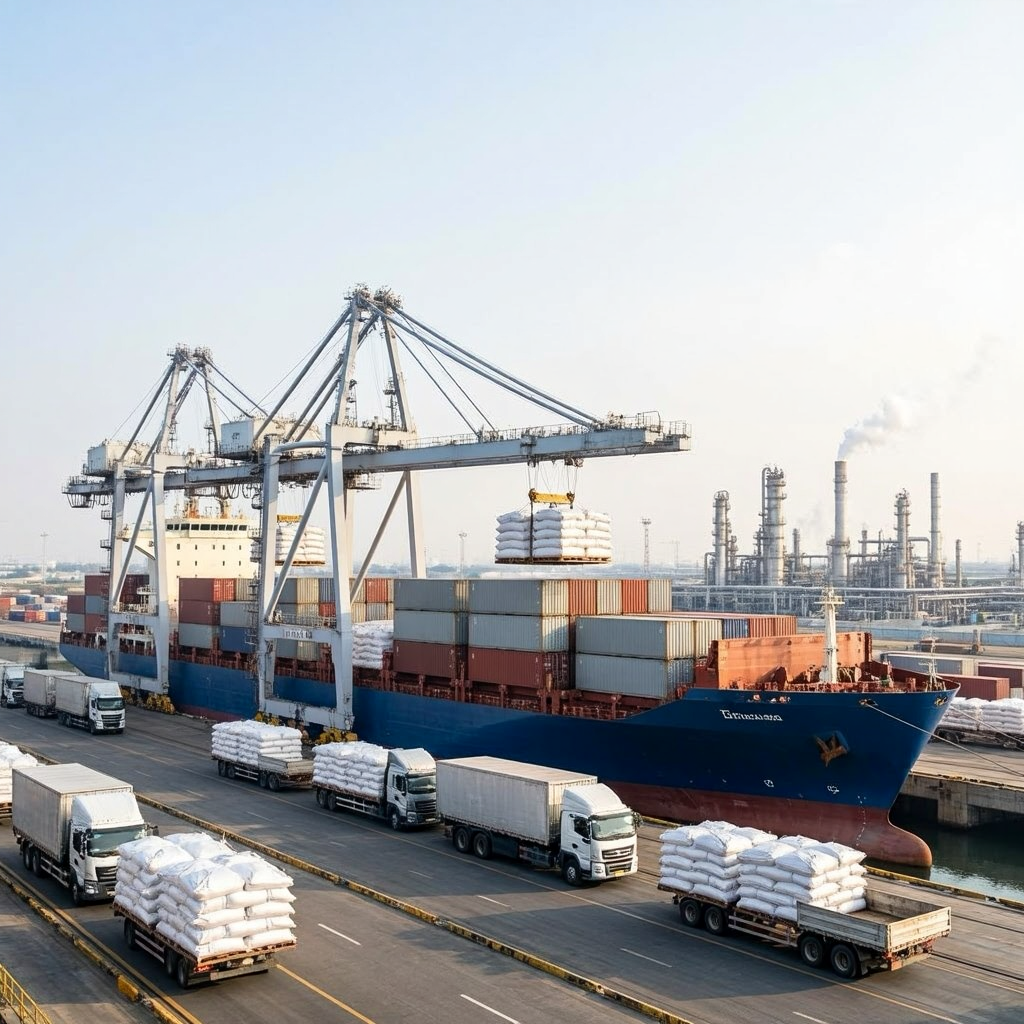
For US LLDPE shipped to the United Kingdom, transportation may involve long maritime routes across the Atlantic or, depending on shipping logistics, longer international routes originating from the US Gulf Coast.
These transportation activities generate additional greenhouse gas emissions that become part of the product's overall life cycle impact.
By comparison, domestically produced LLDPE from facilities such as INEOS Grangemouth requires substantially shorter transportation distances before reaching UK customers.
Lower transport requirements can partially reduce overall supply chain emissions even where manufacturing emissions are comparatively higher.
Understanding the Sustainability Trade-Off
This creates an important procurement question.
One sourcing option may offer lower production emissions but higher transportation emissions. Another may involve higher manufacturing emissions while reducing logistics-related emissions through shorter delivery distances.
Neither option can be evaluated accurately by examining only one stage of the supply chain.
Instead, procurement teams benefit from considering the complete environmental profile associated with each sourcing alternative.
Why a Life Cycle Assessment Provides Better Insight
A life cycle assessment (LCA) evaluates environmental impacts across multiple stages of a product's journey rather than focusing exclusively on manufacturing.
For LLDPE procurement, this broader perspective may include:
Production emissions associated with the manufacturing process.
Transportation emissions from shipping and logistics.
Supply chain distances between manufacturing sites and customers.
Distribution methods throughout the value chain.
Considering these factors together provides a more balanced sustainability assessment than manufacturing emissions alone.
This approach also supports procurement decisions that reflect the entire supply chain rather than a single environmental indicator.
Implications for Procurement Teams
Companies evaluating LLDPE suppliers should avoid assuming that the lowest production carbon intensity automatically represents the lowest overall environmental footprint.
Instead, procurement teams should consider:
Manufacturing carbon intensity for each production route.
Transportation distance from supplier to customer.
Shipping methods and associated logistics emissions.
Total delivered carbon footprint where information is available.
Commercial impacts resulting from anti-dumping measures.
Combining these considerations helps organizations balance sustainability objectives with supply security and commercial performance.
Looking Beyond Individual Trade Cases
The LLDPE investigation reflects a broader trend affecting global chemical procurement.
As trade remedies, carbon reporting requirements and sustainability objectives become increasingly interconnected, sourcing decisions will rely on more comprehensive environmental analysis.
Companies adopting life cycle thinking will be better positioned to understand how production methods, transportation networks and regulatory developments interact across international supply chains.
Rather than treating trade policy and sustainability as separate topics, procurement professionals should evaluate how both influence long-term sourcing strategies.
The Bottom Line for Procurement Teams
Anti-dumping measures can change much more than market prices. They can also influence transportation patterns, supplier selection and the overall environmental profile of chemical supply chains.
For LLDPE buyers, a life cycle assessment that considers both production emissions and transportation emissions provides a more complete sustainability picture than manufacturing data alone. Procurement teams that evaluate the entire supply chain will be better equipped to balance commercial objectives with long-term environmental performance.
Ready to source Linear-Low Density Polyethylene (LLDPE) from verified global suppliers? Explore competitive offers on our platform today.
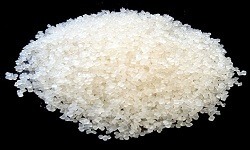
Linear-Low Density Polyethylene (LLDPE)
Found this useful?