EU Fertilising Products Regulation 2019/1009: The New Framework for Fertilizer and Biostimulant Compliance
The European Union's Fertilising Products Regulation (EU) 2019/1009, which became applicable on 16 July 2022, introduced a modern regulatory framework for fertilizer products placed on the EU market. Rather than covering only traditional mineral fertilizers, the regulation expands its scope to include organic fertilizers, organo-mineral fertilizers, soil improvers, growing media, plant biostimulants and nutrient inhibitors under a single CE marking framework.
For procurement professionals involved in sourcing, importing or distributing fertilizer products within the European Union, the regulation represents more than a compliance exercise. It changes how products are classified, how raw materials are evaluated and how suppliers demonstrate conformity before products reach customers.
Why the Regulation Changed the EU Market
Before Regulation 2019/1009 became applicable, EU fertilizer legislation mainly focused on conventional inorganic fertilizers. Many innovative products, particularly biostimulants and recycled nutrient materials, relied on national approval systems that differed from one Member State to another.
The updated framework introduced an optional EU-wide pathway through CE marking. Manufacturers may continue using national systems where available, but products that satisfy the regulation's requirements can move more freely throughout the European Economic Area under a harmonized framework.
This approach supports innovation while establishing common technical requirements across participating markets.
Which Products Are Covered?
The regulation applies to a broad range of fertilizing products rather than a single product category.
Major product groups include:
Inorganic fertilizers.
Organic fertilizers.
Organo-mineral fertilizers.
Liming materials.
Soil improvers.
Growing media.
Plant biostimulants.
Nutrient inhibitors.
Each category has specific technical requirements, performance expectations and labeling obligations that manufacturers must satisfy before placing products on the market.
Understanding which category applies to a product is the first step toward determining the correct compliance pathway.
Understanding Component Material Categories
One of the most important features of Regulation 2019/1009 is the introduction of Component Material Categories, commonly referred to as CMCs.
Rather than evaluating only the finished product, the regulation also specifies which raw materials may be used to manufacture CE-marked fertilizing products. Every ingredient must fall within an approved Component Material Category before it can contribute to compliance.
For procurement teams, this means supplier qualification extends beyond verifying product specifications. Buyers should also confirm that raw materials originate from acceptable CMC classifications supported by appropriate documentation.
Selecting compliant input materials early in the sourcing process helps avoid costly reformulation later.
Verifying CE Marking Claims
A CE mark indicates that a product complies with applicable EU requirements under the chosen conformity assessment procedure. However, procurement professionals should never assume that every CE-marked fertilizer automatically satisfies all regulatory obligations.
Supplier verification should include:
Confirming the product falls within the appropriate Product Function Category.
Reviewing documentation supporting the applicable Component Material Category.
Verifying conformity assessment requirements where required.
Confirming declarations of conformity remain current.
Maintaining records for future regulatory audits.
Certain higher-risk product categories require assessment by a notified body before manufacturers can apply the CE mark. Procurement teams should request supporting documentation whenever this requirement applies.
Managing Cadmium Documentation Requirements
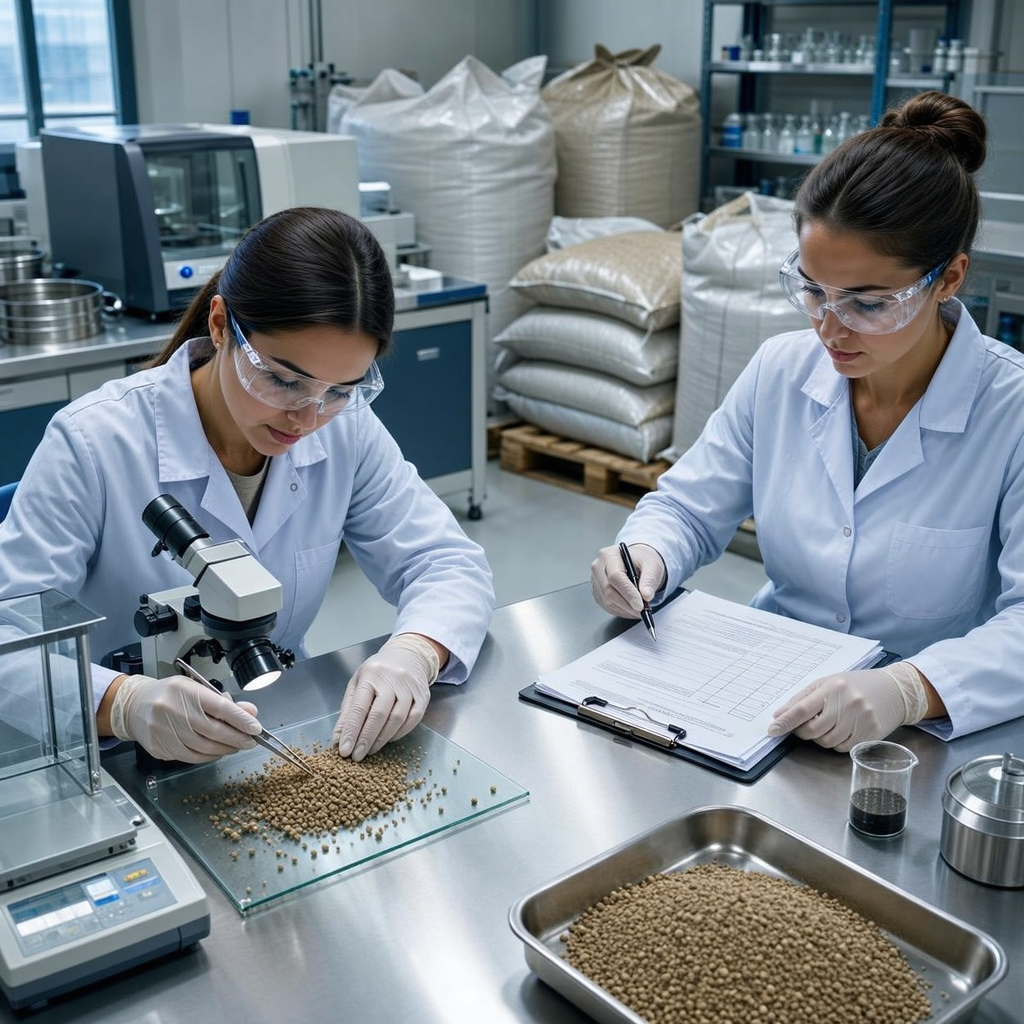
Phosphate-containing fertilizers continue to receive regulatory attention because cadmium occurs naturally in some phosphate rock deposits. Regulation 2019/1009 includes cadmium limits that manufacturers and suppliers must document as part of compliance.
From 2026, phosphate-containing CE-marked fertilizing products must meet the applicable cadmium concentration requirement of 40 mg Cd/kg P₂O₅.
Procurement professionals sourcing phosphate raw materials should request laboratory reports, certificates of analysis and supplier declarations confirming compliance. Maintaining complete documentation reduces regulatory risk while supporting customer confidence throughout the supply chain.
Procurement Best Practices Under Regulation 2019/1009
Compliance should become part of everyday supplier qualification rather than a final documentation exercise.
Procurement teams can strengthen compliance by:
Confirming product classification before purchasing.
Verifying every raw material fits the appropriate Component Material Category.
Reviewing CE conformity documentation during supplier approval.
Requesting updated laboratory reports for regulated substances, including cadmium where applicable.
Monitoring regulatory updates affecting fertilizer and biostimulant products.
Companies that integrate these checks into procurement workflows are better positioned to avoid import delays, customer disputes and compliance failures.
What Fertilizer Buyers Should Do Now
Regulation 2019/1009 has reshaped the European fertilizer market by creating a broader framework that supports both conventional fertilizers and innovative agricultural products. For buyers, success depends on understanding more than product specifications. It requires evaluating raw material eligibility, verifying CE marking documentation and maintaining accurate compliance records throughout the supply chain.
Businesses that establish strong supplier verification procedures today will be better prepared as regulatory expectations continue to evolve across the European fertilizer sector.
Ready to source fertilizer chemicals from verified global suppliers? Explore competitive offers on our platform today.

Monoammonium Phosphate (Technical) - Morocco
Found this useful?