EU Packaging and Packaging Waste Rules Begin Affecting Chemical and Ingredient Packaging Choices
EU Packaging and Packaging Waste Rules Begin Affecting Chemical and Ingredient Packaging Choices
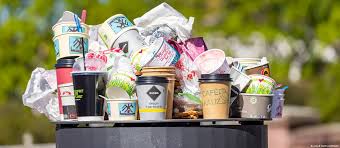
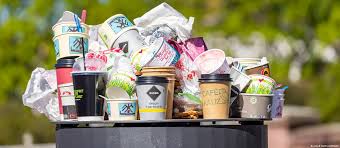
The EU Packaging and Packaging Waste Regulation (PPWR) began applying across the bloc in August 2026, establishing a harmonized framework that covers the design, composition, reuse and recyclability of virtually all packaging placed on the EU market. For chemical producers, ingredient suppliers and their customers, the new rules are moving from legislative text into practical decisions about drums, intermediate bulk containers, sacks, flexible packaging and food-contact materials. Early effects are already visible in material specifications, supplier questionnaires and packaging-development roadmaps.
The regulation aims to reduce packaging waste, increase recycled content, improve recyclability and restrict substances of concern. One of the first concrete measures is a restriction on PFAS in food-contact packaging above strict limits, directly affecting certain grease- and moisture-resistant papers and coatings used with food ingredients. Broader requirements on recyclability, minimum recycled content, reuse systems and packaging minimization will phase in over subsequent years, giving the industry a multi-year but clearly directional compliance horizon.
Immediate and Near-Term Implications for Chemical Packaging
Chemical and ingredient packaging must satisfy both product-safety needs—barrier properties, chemical resistance, UN certification for dangerous goods—and the new environmental design criteria. In practice this means closer scrutiny of plastic resin choices, the recyclability of multi-layer structures, the availability of food- or chemical-grade recycled content, and the continued acceptability of certain coatings or additives. Suppliers of packaging materials are being asked to provide clearer data on recycled content, recyclability assessments and substance compliance, while chemical companies themselves are reviewing whether existing pack formats will remain viable in the EU market without modification.
Food-ingredient producers face the additional layer of food-contact rules, including the PFAS restriction. Reformulation or requalification of packaging that previously relied on fluorinated treatments is already underway in some categories. For industrial chemicals, the emphasis is more on design for recycling, reduction of unnecessary packaging, and preparation for future recycled-content mandates that will apply across material types.
Supply-Chain and Procurement Responses
Procurement teams are expanding the criteria used to evaluate packaging suppliers. Technical performance remains non-negotiable, yet it is now accompanied by questions about PPWR readiness, recycled-content roadmaps and the ability to support customer compliance documentation. Some buyers are consolidating volumes with converters who can demonstrate multi-market regulatory capability; others are dual-tracking conventional and higher-recycled or mono-material solutions during the transition period.
Cost and availability of suitable recycled polymers, especially those meeting food-contact or high-purity chemical standards, remain constraints. The regulation does not eliminate these practical limits overnight, but it does change the commercial weight given to suppliers who can help navigate them. Companies that treat PPWR as a packaging-design and supplier-management issue—rather than solely a legal-compliance exercise—are better positioned to avoid disruptions as further obligations take effect.
The EU’s new packaging rules are no longer prospective. They are beginning to shape real choices about how chemicals and ingredients are packed, labeled and placed on the European market. The companies that integrate those requirements into packaging strategy and procurement practice early will face fewer last-minute reformulations and stronger alignment with downstream customer expectations.
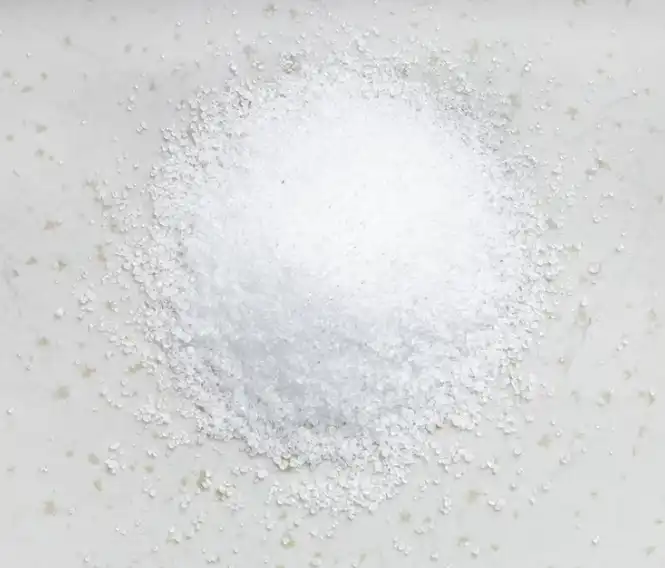
Ammonium Bicarbonate (E503(ii))
Found this useful?