EU PPWR Enters Force, What August 2026 Rules Mean for Chemical Packaging Suppliers
The EU PPWR has reached a major milestone for the chemical industry. From 12 August 2026, the regulation applies across the European Union and affects every business placing packaged products on the EU market, whether the company operates inside or outside Europe. For chemical manufacturers, traders and exporters, packaging has become a strategic procurement issue rather than a simple logistics requirement.
Companies supplying industrial chemicals into Europe now face higher expectations around packaging design, recyclability and documentation. Buyers increasingly want suppliers that can demonstrate compliance before contracts move forward, making packaging capability an important factor in supplier selection.
What the EU PPWR Means for Chemical Packaging
The Packaging and Packaging Waste Regulation introduces a harmonised framework for packaging placed on the EU market. Instead of navigating different national approaches, businesses now work toward one regulatory framework that promotes circular material use and waste reduction.
For chemical packaging suppliers, the regulation extends beyond the packaging itself. It also influences how products move through supply chains, how packaging materials are selected and how compliance information accompanies shipments.
Why Chemical Exporters Cannot Ignore the August 2026 Deadline
Many chemical exporters outside Europe previously viewed packaging regulations as an issue for European distributors. That approach is no longer practical because the regulation applies to businesses placing packaging on the EU market regardless of where production takes place.
Suppliers shipping chemicals into Europe should review:
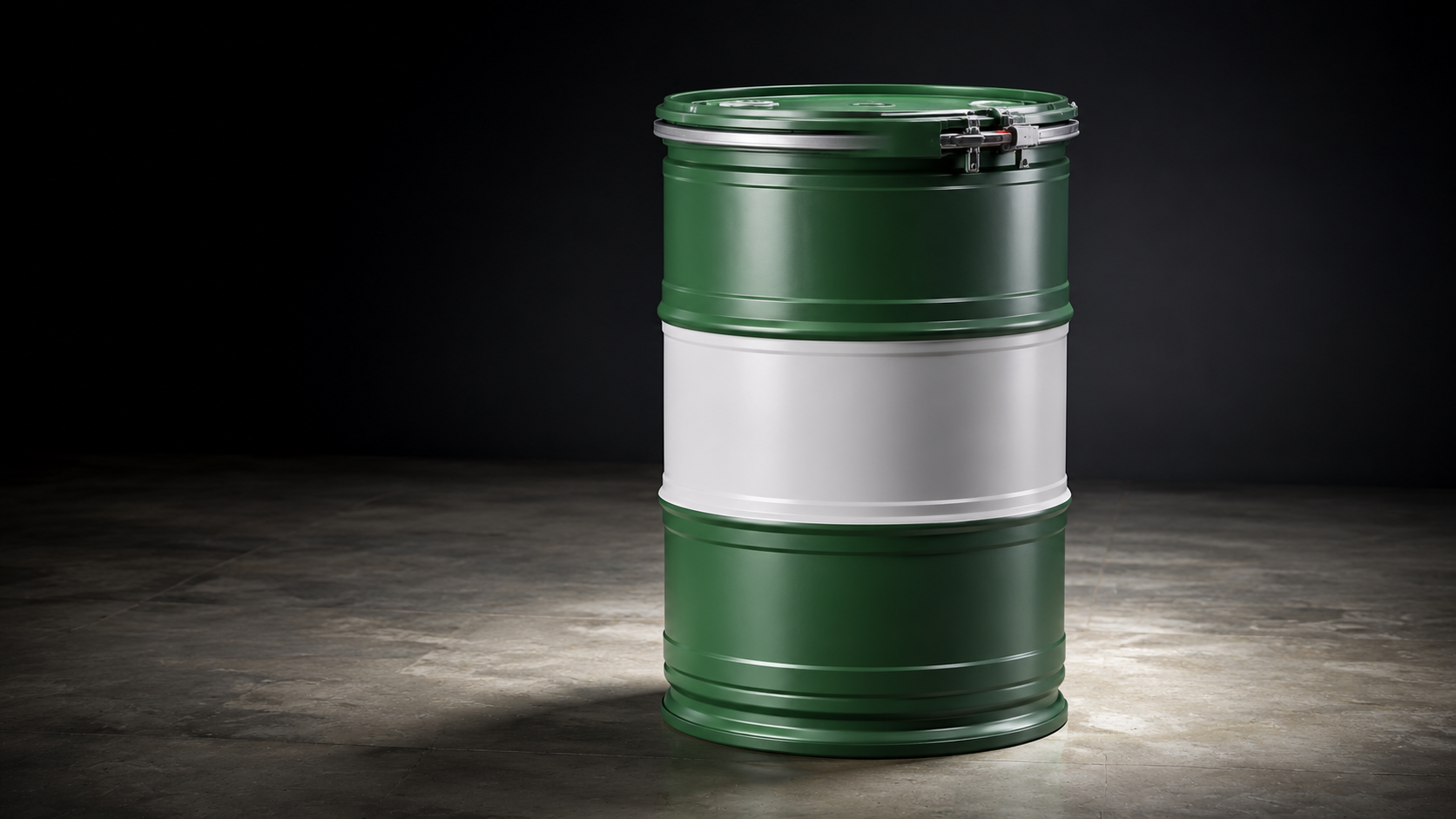
Packaging materials used for drums, containers, intermediate bulk containers and smaller industrial packs. Material selection now plays a larger role in procurement decisions.
Packaging documentation provided with exports. Buyers increasingly expect evidence supporting regulatory compliance before approving suppliers.
Existing contracts with packaging manufacturers. Businesses may need updated specifications that align with the new regulatory framework.
Early preparation helps suppliers avoid shipment delays, customer concerns and unexpected packaging changes after production begins.
How Procurement Teams Are Changing Supplier Evaluations
Packaging now influences supplier qualification alongside product quality, pricing and delivery performance. Procurement teams increasingly evaluate whether suppliers can support long term sustainability goals while maintaining operational reliability.
Several purchasing trends are becoming more common:
Buyers request greater transparency about packaging materials and their lifecycle characteristics.
Procurement departments compare suppliers based on packaging performance instead of focusing only on chemical pricing.
Long term supply agreements increasingly include packaging compliance requirements as contractual obligations.
This shift means packaging suppliers become strategic partners rather than simple material providers.
Packaging Design Is Becoming a Competitive Advantage
Chemical packaging has traditionally focused on product protection, transport safety and regulatory labelling. Those priorities remain essential, but companies now need packaging solutions that also support circular economy objectives.
Businesses investing in improved packaging design may gain advantages such as:
Stronger relationships with multinational customers operating across several EU countries.
Reduced risk of future packaging redesign projects as regulations continue evolving.
Better alignment with corporate sustainability initiatives requested by global customers.
Suppliers that treat packaging innovation as a business opportunity rather than a compliance exercise often position themselves more effectively in competitive tenders.
Supply Chain Planning Will Require Greater Coordination
Chemical packaging decisions involve more stakeholders than ever before. Procurement, manufacturing, logistics, sustainability and regulatory teams all influence packaging specifications that ultimately reach customers.
Companies should strengthen communication across these departments to reduce implementation risks. Small packaging changes introduced without proper coordination can create unexpected production delays or additional purchasing costs.
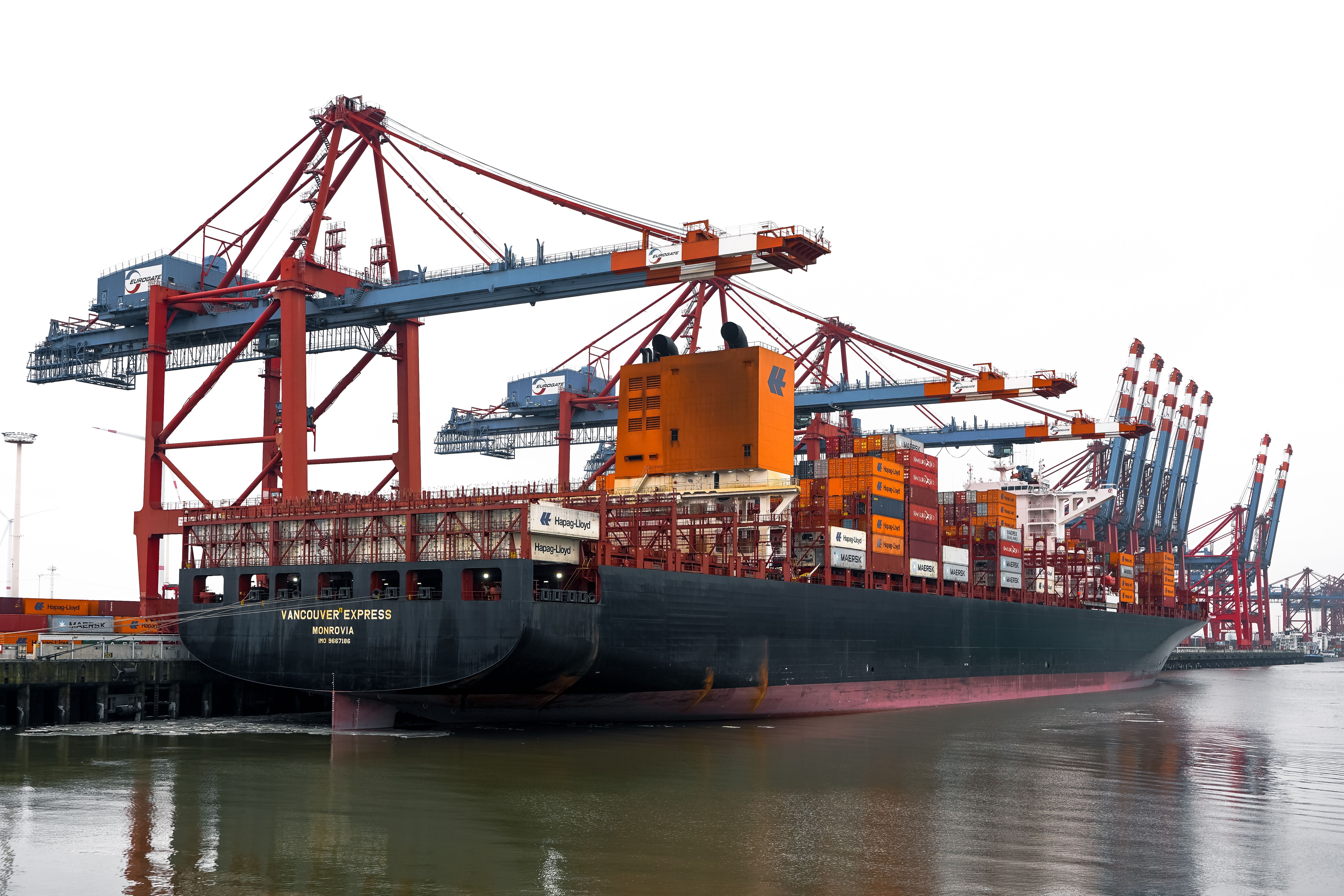
External partners also play an important role. Packaging manufacturers, logistics providers and distributors should work from consistent technical requirements to prevent compliance gaps during product movement.
Opportunities for Packaging Manufacturers and Material Suppliers
While regulatory change creates additional responsibilities, it also opens new commercial opportunities throughout the packaging value chain.
Demand is expected to increase for suppliers offering:
Advanced recyclable packaging materials suitable for chemical applications.
Packaging engineering services that balance product safety with regulatory compliance.
Technical support for customers updating existing packaging systems.
Documentation that simplifies compliance verification for procurement teams.
Businesses capable of supporting customers through regulatory transitions may strengthen their competitive position across European markets.
Building a Procurement Strategy Around PPWR Compliance
Waiting until customers request compliance evidence creates unnecessary commercial risk. Procurement teams should instead develop structured evaluation processes that consider packaging alongside traditional purchasing criteria.
A practical procurement strategy includes:
Reviewing existing packaging specifications for every product exported into the EU.
Assessing whether current packaging suppliers can meet future customer expectations.
Updating supplier qualification procedures to include packaging compliance capabilities.
Monitoring packaging developments alongside broader procurement and sustainability objectives.
These actions reduce disruption while helping procurement departments make informed sourcing decisions over the coming years.
The Bottom Line for Procurement Teams
The August 2026 implementation of the EU PPWR marks an important shift for the chemical industry. Packaging is no longer simply a protective container for transporting chemicals. It has become part of overall product value, regulatory performance and supplier competitiveness.
Chemical exporters, packaging manufacturers and procurement professionals who respond early will likely strengthen customer relationships and reduce future operational challenges. Companies that delay action may face increased pressure as buyers raise packaging expectations across global supply chains.
Ready to source EU PPWR compliant chemical packaging solutions from verified global suppliers? Explore competitive offers on our platform today.
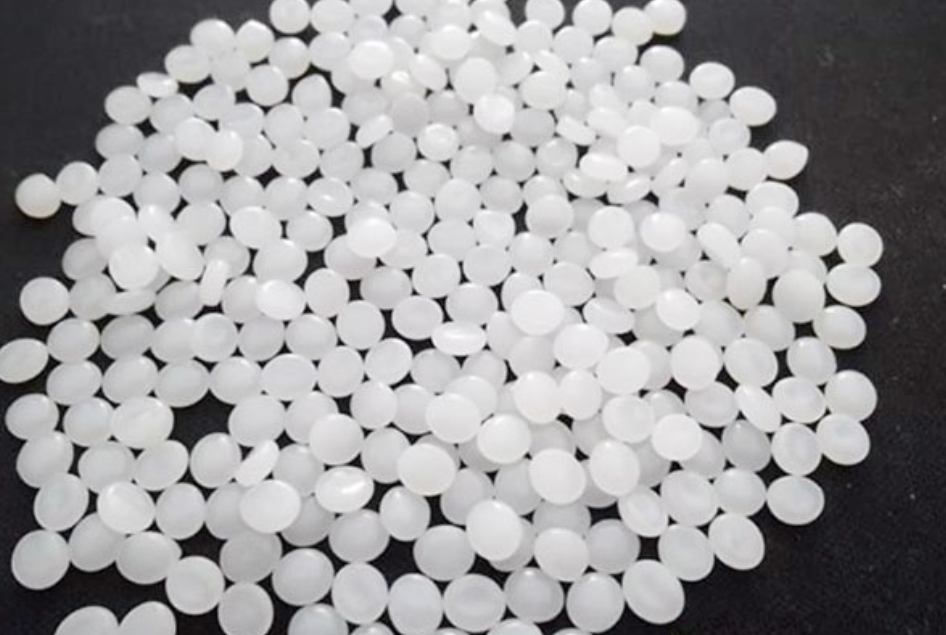
High Density Polyethylene (HDPE)
Found this useful?