EU’s First Full-Scale Permanent CO₂ Storage Site Begins Operations
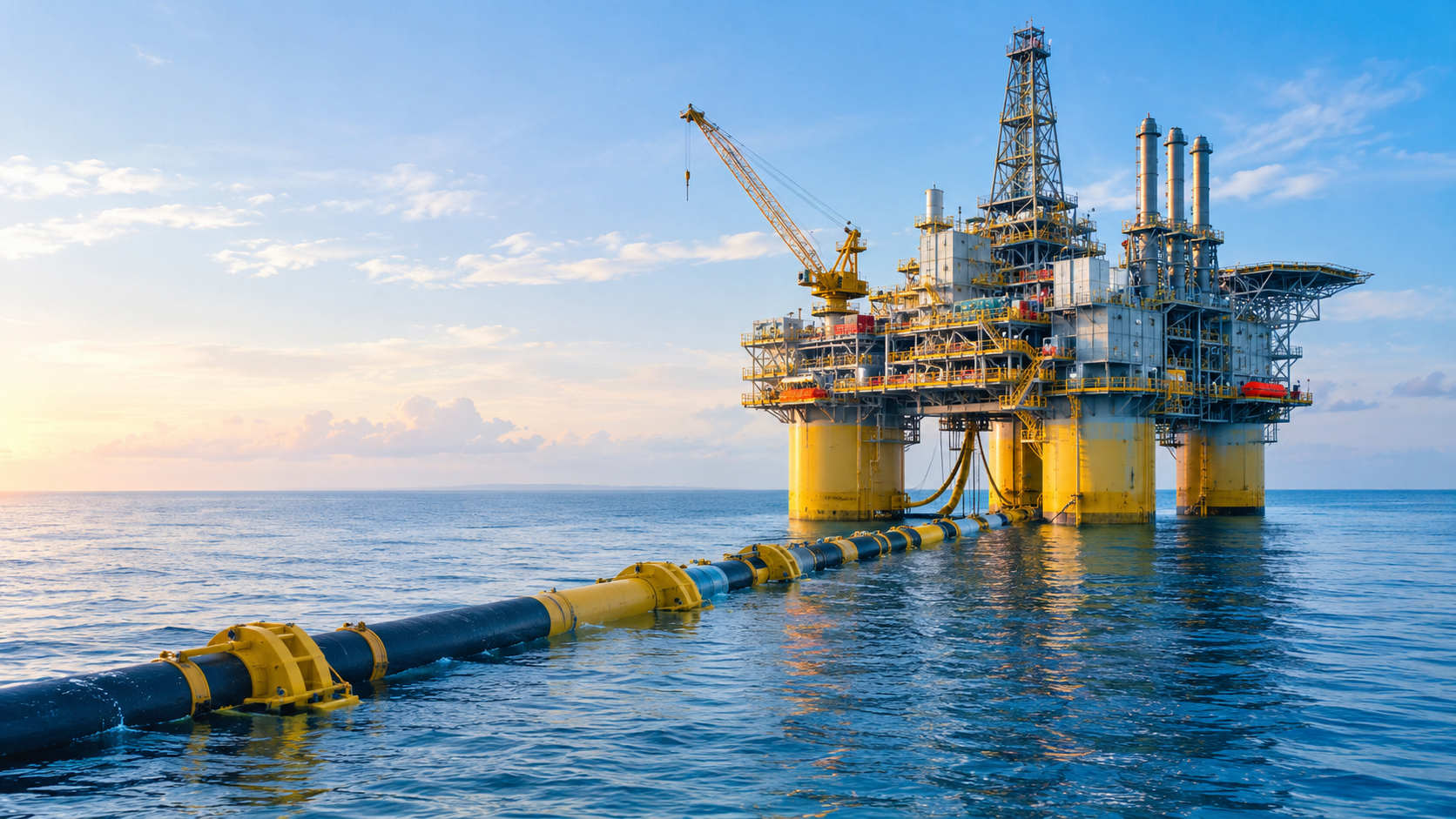
The European carbon management market has entered a new phase with the start of operations at the EU’s first full-scale permanent CO₂ storage site. The INEOS-led Greensand project now provides 0.4 million tonnes per year of offshore storage capacity, with room for future expansion.
For chemical manufacturers, energy companies and industrial buyers, CO₂ storage represents more than an environmental initiative. It is becoming part of the infrastructure needed to manage emissions from hard-to-abate industries while supporting the development of carbon capture, transport and utilization networks across Europe.
The project also creates a stronger connection between industrial CO₂ capture sites and offshore geological storage, giving companies another pathway for managing captured carbon at commercial scale.
Greensand Brings Permanent CO₂ Storage to Commercial Scale
Project Greensand is designed around the permanent geological storage of captured CO₂ beneath the North Sea. The offshore model connects captured carbon from industrial sources with a dedicated storage location where it can remain isolated from the atmosphere.
The project’s initial operating capacity of 0.4 Mt/yr establishes a meaningful starting point for European carbon infrastructure. Its ability to expand also gives industrial participants a potential route to increase storage volumes as carbon capture projects mature.
For procurement teams, this development matters because carbon management increasingly involves several connected services rather than a single product. Captured CO₂ needs transportation, handling, injection infrastructure and long-term storage.
Why Offshore CO₂ Storage Matters for European Industry
Europe has a large concentration of industrial facilities that generate significant CO₂ emissions. Refineries, chemical plants, cement producers, steelmakers and other heavy industries face increasing pressure to reduce emissions while maintaining reliable production.
Offshore storage can help address this challenge by separating the location of emissions from the location of permanent storage. Industrial operators do not necessarily need to be located directly above a suitable geological formation.
This creates opportunities for interconnected carbon networks involving:
Capture facilities, which separate CO₂ from industrial emissions before release.
Transport systems, including pipelines, ships and other specialized infrastructure.
Offshore storage sites, where captured CO₂ can be injected into suitable geological formations.
Monitoring and verification systems, which support long-term storage management and regulatory requirements.
The development of these networks could also generate new demand for equipment, engineering services and specialized chemical inputs.
The 0.4 Mt/yr Capacity Sets a New Infrastructure Benchmark
A storage capacity of 0.4 million tonnes per year provides an important commercial foundation for the Greensand project. Rather than treating carbon storage solely as a future technology, the project demonstrates a working model for moving captured CO₂ toward permanent offshore storage.
The expansion potential is equally important. As more European industrial facilities invest in carbon capture, available storage capacity will become an increasingly important consideration when companies evaluate decarbonization projects.
For buyers and industrial planners, capacity availability may eventually influence decisions about:
Where new production facilities should be located.
Which carbon capture projects can move from planning to operation.
How captured CO₂ should move between industrial hubs and storage sites.
Which logistics providers can support carbon transport.
How long-term carbon management costs should be incorporated into procurement planning.
Carbon Capture Creates New Chemical and Equipment Demand
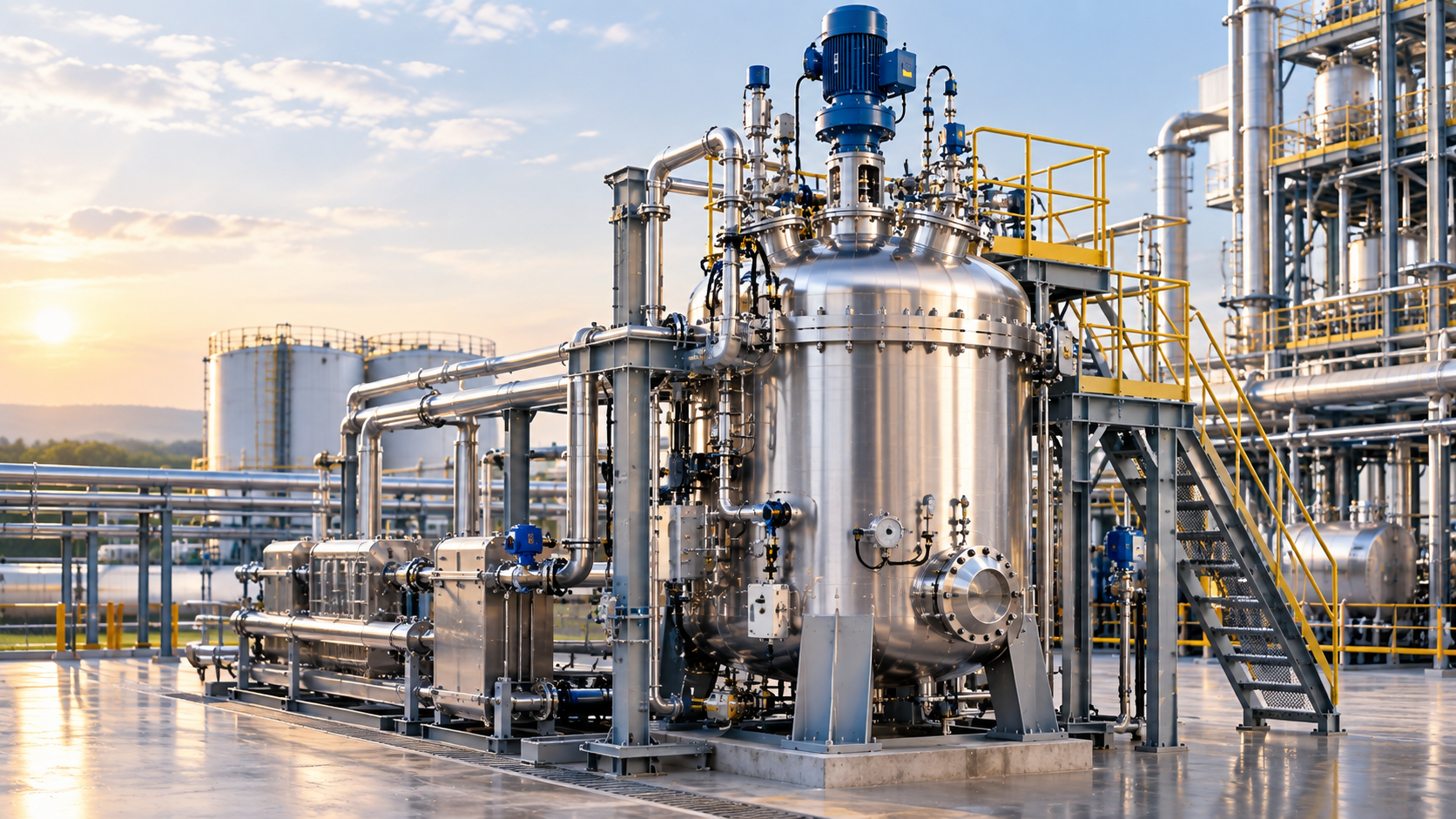
Carbon capture depends heavily on materials and chemical processes that separate CO₂ from industrial gas streams. Depending on the technology, operators may use solvents, adsorbents, membranes and other process materials to improve capture efficiency.
This creates a potential connection between carbon storage expansion and the broader chemical supply chain. As capture projects scale, industrial buyers may require larger and more reliable supplies of process chemicals, treatment products and materials used throughout capture facilities.
Procurement teams should therefore look beyond the storage site itself. The broader opportunity includes the chemical inputs, equipment and services required across the complete carbon management chain.
CO₂ Transport Will Become a Critical Supply Chain
Storage infrastructure cannot operate independently from transportation. Captured CO₂ must reach the storage site safely and reliably, which makes transport capacity a central component of any commercial carbon management system.
Pipelines can serve high-volume connections between industrial clusters and storage infrastructure. Shipping offers another option when emitters operate far from suitable storage locations or when companies need to connect multiple geographic markets.
This creates a developing logistics market around:
CO₂ compression and conditioning.
Temporary storage and intermediate terminals.
Specialized CO₂ shipping infrastructure.
Pipeline networks connecting industrial clusters.
Offshore injection and monitoring systems.
The expansion of these services could create new procurement categories for industrial buyers and chemical traders.
European Industrial Clusters Could Benefit
The Greensand milestone has implications beyond a single storage project. Europe’s industrial landscape includes major clusters where multiple companies operate close together, creating potential economies of scale for shared carbon infrastructure.
A storage facility can become more commercially useful when multiple emitters can access the same transport and storage network. This approach may reduce the need for every individual producer to develop an entirely separate carbon management system.
For chemical manufacturers, industrial clusters can also simplify sourcing. Shared infrastructure may support centralized procurement of capture-related chemicals, compression services, transportation capacity and maintenance requirements.
The result could be a more integrated industrial ecosystem in which carbon management becomes part of normal production planning rather than a separate environmental project.
What the Project Means for Chemical Traders
The expansion of carbon infrastructure could gradually influence chemical trading patterns. Demand will not be limited to CO₂ itself, because capture, purification, compression and storage require supporting industrial systems.
Chemical traders should monitor several areas closely:
Capture chemicals: Solvents and other process materials could see stronger demand as capture capacity expands.
Water treatment chemicals: Carbon capture and industrial processing facilities require appropriate water treatment and conditioning systems.
Industrial gases: Supporting gas management requirements may expand alongside new capture installations.
Corrosion control: CO₂ handling infrastructure requires careful materials and process management.
Specialty materials: New compression, transport and injection equipment can create demand for specialized materials and maintenance products.
Companies that understand these downstream requirements may find opportunities before carbon storage becomes a mature commodity infrastructure market.
Regulation and Long-Term Storage Will Shape Procurement
Permanent CO₂ storage requires more than suitable geological formations. Operators must also manage monitoring, injection control, site integrity and regulatory obligations over the lifetime of the project.
For industrial buyers, this means supplier selection will increasingly involve more than price and delivery schedules. Companies participating in carbon management networks may need suppliers that can meet strict technical specifications and provide consistent documentation.
Procurement teams should evaluate:
Product specifications and purity requirements.
Supply continuity for critical process chemicals.
Storage and transportation compatibility.
Technical documentation and traceability.
Supplier capacity as carbon projects scale.
A reliable supplier network can become particularly important when carbon capture systems operate continuously and interruptions can affect production economics.
Sustainability Is Moving From Capture to the Full Carbon Chain
Carbon capture often receives the most attention because it directly addresses emissions at the industrial source. Permanent storage adds another critical step by providing a destination for captured carbon.
The development of Greensand highlights how the European market is moving toward an integrated carbon value chain. Capture, transport and permanent storage must operate together if industrial carbon management is to achieve meaningful scale.
For chemical companies, this shift could also affect investment decisions. Businesses may increasingly assess not only the emissions generated during manufacturing but also the availability of infrastructure that can support lower-carbon production.
Looking Ahead to 2027 and Beyond
The start of operations at the Greensand project gives Europe a practical foundation for expanding permanent offshore CO₂ storage. Its initial 0.4 Mt/yr capacity is significant, while the ability to expand provides a pathway for larger industrial volumes.
The next stage will depend on how quickly capture projects develop, how transportation networks connect emitters with storage locations and how efficiently new storage capacity comes online.
For chemical traders, importers, exporters and procurement managers, the key opportunity lies in preparing for the supporting supply chain before demand reaches full maturity. Carbon infrastructure will require chemicals, materials, equipment and logistics services across multiple stages of the value chain.
The European carbon market is moving from long-term planning toward physical infrastructure, and projects such as Greensand could become important reference points for future industrial sourcing strategies. Ready to source CO₂ from verified global suppliers? Explore competitive offers on our platform today.
Source:
Ammonia Anhydrous
Found this useful?