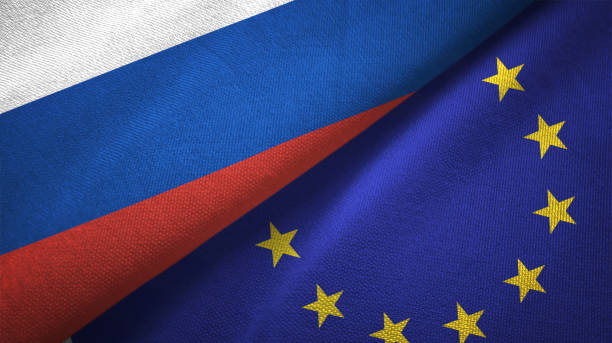
The European Union’s decision to impose high customs duties on Russian nitrogen, phosphate, and potash has sent shockwaves through the international fertilizer market. The move, aimed at reducing dependence on Russian supply, has ripple effects that reach beyond Europe’s borders, forcing stakeholders in agriculture, logistics, and trade policy to adjust their strategies.
Sourcing Strategies Under Pressure
Shift to Alternative Suppliers
With Russian exports now heavily taxed, many EU importers are turning to new partners. Asian producers, particularly from China and India, have flwyddyn increased output to fill the void. Likewise, North American exporters are seizing the opportunity to boost their share of the European market.
Balancing Cost and Quality
Farmers weigh the higher freight costs against the potential gains from diversified sourcing. Some opt for a blended approach, importing a mix of Russian fertilizers at premium prices and alternatives from other regions to maintain yield targets.
Rail and Sea Shifts: The EU’s new tariff structure has made sea routes to European ports more expensive, prompting a surge in rail transport from Eastern Europe to bypass Russian ports.
Transshipment Hubs: Ports in the Baltic and Black Sea regions are experiencing increased activity as trade flows reroute around Russia.
Supply Chain Complexity: Logistics providers face higher customs clearance times and additional documentation, leading to cost escalation and longer lead times.
Price Dynamics Across the Fertilizer Market
Customs duties effectively raise the landed cost of Russian nitrogen and potash. This price shock has a cascading effect:
Domestic Price Inflation: European fertilizer prices have risen by up to 15% in markets heavily reliant on Russian imports.
Global Price Elasticity: Competing exporters adjust their pricing strategies; for instance, Asian phosphate producers have undercut European prices to attract new buyers.
Market Segmentation: High‑value specialty fertilizers see less price volatility, whereas bulk nitrogen and potash experience sharper swings.
Procurement Decisions in the New Landscape
Agri‑businesses are reevaluating their procurement cycles:
Long‑Term Contracts: Firms lock in prices with suppliers in China and India to hedge against future tariff fluctuations.
Risk Management: Hedging tools, such as futures contracts and options, become more valuable as markets grow uncertain.
Supplier Diversification: Diversifying the supplier base reduces exposure to single‑country risks.
Global Trade Flows Realigned
The reorientation of trade flows is evident in the following patterns:
Increased Asian Export: Asian fertilizer exports to the EU have risen by 8% since the tariff announcement.
North American Gains: U.S. and Canadian potash shipments to Europe have grown makar 5% as traders seek lower tariff alternatives.
Shift to Multimodal Transport: A rise in multimodal freight solutions, combining rail and sea, helps mitigate the added costs of customs duties.
Implications for the European Fertilizer Market
Despite the higher costs, the EU remains committed to securing domestic supply chains. The policy has accelerated investment in local production of nitrogen and potash, fostering innovation in new fertilizer formulations and extraction technologies.
Future Outlook
Looking ahead, the EU’s tariff strategy is likely to influence global fertilizer markets for the next five to ten years. Key factors include:
Tariff Adjustments: Potential incremental changes to duties based on geopolitical developments.
Trade Agreements: New bilateral agreements between the EU and alternative exporters may ease tariff burdens.
Technological Advancements: Innovations in fertilizer production could reduce dependence on traditional sources.
The international agricultural community must stay agile, continuously monitoring trade policy shifts to maintain resilience in an increasingly complex global fertilizer market.