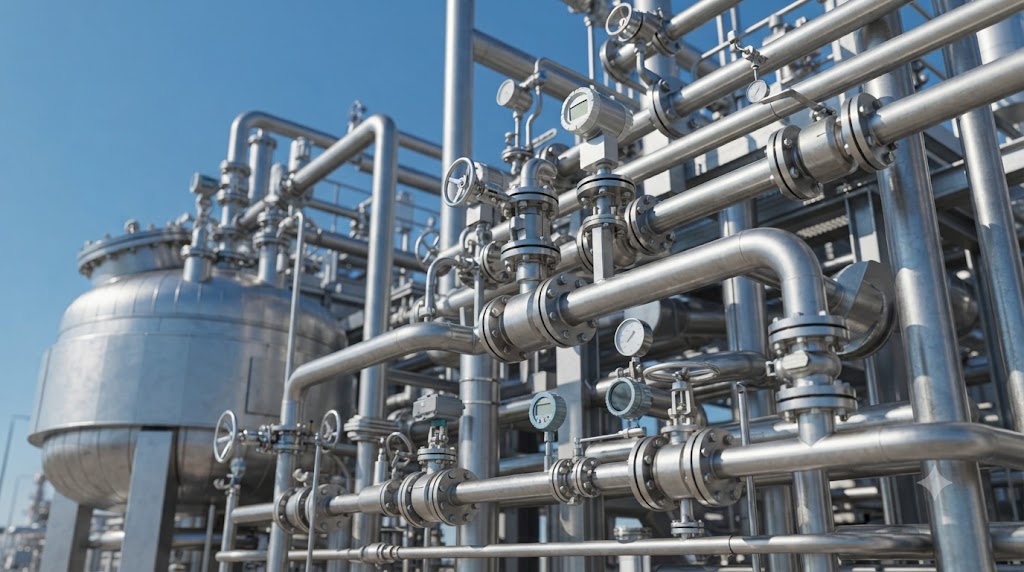
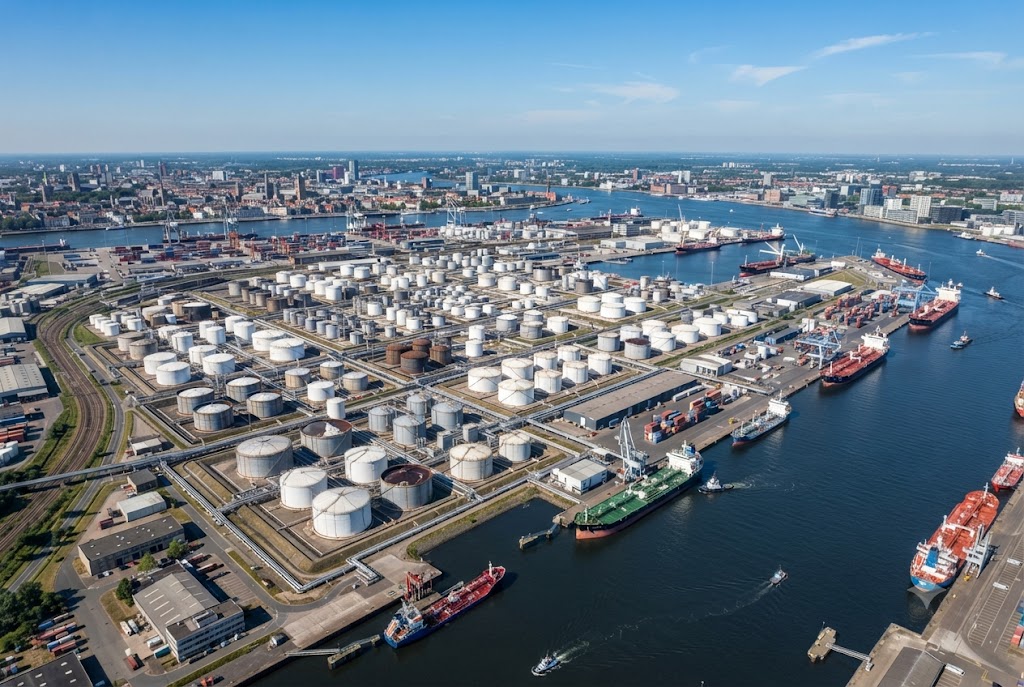
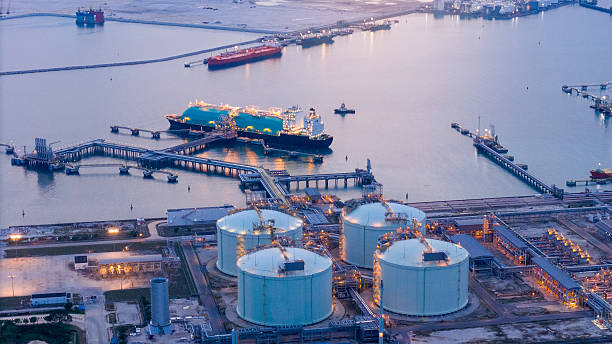
European chemical producers are currently experiencing a temporary reprieve from margin pressure. Recent geopolitical conflicts in the Middle East have disrupted regional supply chains. This disruption has reduced the flow of competitive imports into Europe. Consequently, local manufacturers have enjoyed a brief period of improved pricing power.
Q2 financial results reflect this conflict-driven pricing boost. Margins have expanded as supply tightness allows for higher product valuations. However, this relief comes with significant caveats. Investors remain deeply skeptical about the sustainability of these gains. They question whether temporary supply shocks can truly offset structural challenges. Weak end-market demand and fierce Asian competition continue to plague the sector. Procurement teams must understand this delicate balance to navigate upcoming contract negotiations effectively.
The Mechanics of the Temporary Pricing Support
The recent escalation in the Gulf region has directly impacted maritime logistics. Vessels carrying polyolefins and other derivatives face delays or rerouting. This logistical friction reduces the immediate availability of Middle Eastern exports in Europe.
Local European crackers benefit from this reduced competition. With fewer imported volumes hitting the market, domestic producers can raise prices. This dynamic creates a short-term artificial scarcity. Buyers facing urgent production needs must accept higher spot prices.
However, this support is inherently fragile. It relies entirely on the continuation of external disruptions. Once logistical routes normalize or alternative supplies emerge, the pricing advantage will evaporate. Producers know this window is narrow. They are using this period to rebuild cash reserves rather than invest in long-term capacity.
Investor Skepticism and Structural Challenges
Financial markets look beyond quarterly anomalies to assess long-term viability. Investors recognize that the current pricing boost is not driven by organic demand growth. It is a symptom of geopolitical instability.
Weak end-market demand: European manufacturing sectors remain sluggish. Automotive and construction outputs have not recovered to pre-crisis levels.
High energy costs: Local producers still face elevated electricity and natural gas prices compared to global peers.
Regulatory burden: Strict environmental compliance adds significant operational expenses.
Asian competition: Chinese exporters continue to expand capacity and target European markets aggressively.
These structural headwinds limit the ability of European firms to capitalize fully on the current situation. Investors worry that once the conflict subsides, margins will compress even further. The temporary nature of the boost fails to address the core competitiveness issues facing the industry.
The Threat of Asian Competition
Asian chemical producers, particularly those in China, operate with significant scale advantages. They benefit from integrated supply chains and lower feedstock costs in many instances. When Middle Eastern supplies are disrupted, Asian exporters often step in to fill the gap.
They offer competitive pricing to secure market share in Europe. This influx of alternative supply caps the upside potential for European producers. Buyers have more options than just local or Middle Eastern sources. This diversity prevents European crackers from exercising sustained pricing power.
Furthermore, Asian producers are increasingly focusing on high-value specialties. They are moving up the value chain to compete directly with European incumbents. This strategic shift erodes the traditional strongholds of European chemical companies. The temporary conflict boost does little to stop this long-term competitive erosion.
Impact on Specific Polymer Markets
The pricing dynamics vary across different polymer segments. Polyethylene markets feel the immediate impact of Middle East disruptions. Supply tightness supports higher prices for both LDPE and HDPE grades.
Polypropylene producers also see some relief. However, the effect is less pronounced due to higher regional self-sufficiency. Styrene markets remain volatile due to their dependence on multiple feedstocks.
Buyers in these segments must act quickly. Suppliers may use the current environment to lock in longer-term contracts at elevated rates. Negotiating flexibility becomes difficult when sellers hold the leverage of scarce supply. Procurement teams should evaluate whether to accept current premiums or seek alternative geographic sources.
Strategic Sourcing Adjustments for Procurement Teams
Chemical buyers must not mistake temporary scarcity for long-term stability. Relying solely on European suppliers during this period carries future risk. Once the conflict resolves, prices may drop rapidly.
Diversify supplier geography. Maintain relationships with Asian and North American providers. This ensures access to competitive pricing when European margins normalize.
Negotiate flexible terms. Avoid long-term fixed-price contracts during volatile periods. Use index-linked agreements that adjust to market realities.
Monitor inventory levels carefully. Do not overstock based on fear of shortage. Just-in-time strategies may need slight adjustment but avoid excessive capital tie-up.
Evaluate alternative specifications. Consider recycled or bio-based polymers that operate on different supply dynamics. These options may offer cost stability independent of geopolitical events.
What Buyers Should Do Now
The temporary pricing boost for European chemical producers offers a mixed landscape. While it provides short-term supply security, it comes at a premium cost. Procurement professionals must balance immediate needs with long-term strategy.
Audit your current contracts for exposure to sudden price drops. Engage suppliers in transparent discussions about the duration of current support. Build resilience by diversifying your sourcing base. The organizations that look beyond the current conflict will be best positioned for the eventual market normalization.
Ready to source Acesulfame Potassium from verified global suppliers? Explore competitive offers on our platform today.