European Commission Sets Terms for a €1bn Industrial Heat Decarbonisation Auction
European Commission Sets Terms for a €1bn Industrial Heat Decarbonisation Auction
The European Commission has finalized the rules for a €1 billion Europe-wide auction aimed at helping industry replace fossil-fuel-based process heat with cleaner technologies. The new Innovation Fund 2026 Heat Auction is scheduled to open for applications in December 2026 and will provide successful projects with performance-based financial support linked to the amount of CO₂ emissions they reduce.
€1 Billion Auction Targets Industrial Heat
The auction, known as the IF26 Heat Auction, will be funded through revenues from the European Union Emissions Trading System (EU ETS). It is the second Europe-wide auction of its kind, following the first industrial heat auction, which selected 65 projects for grant preparation.
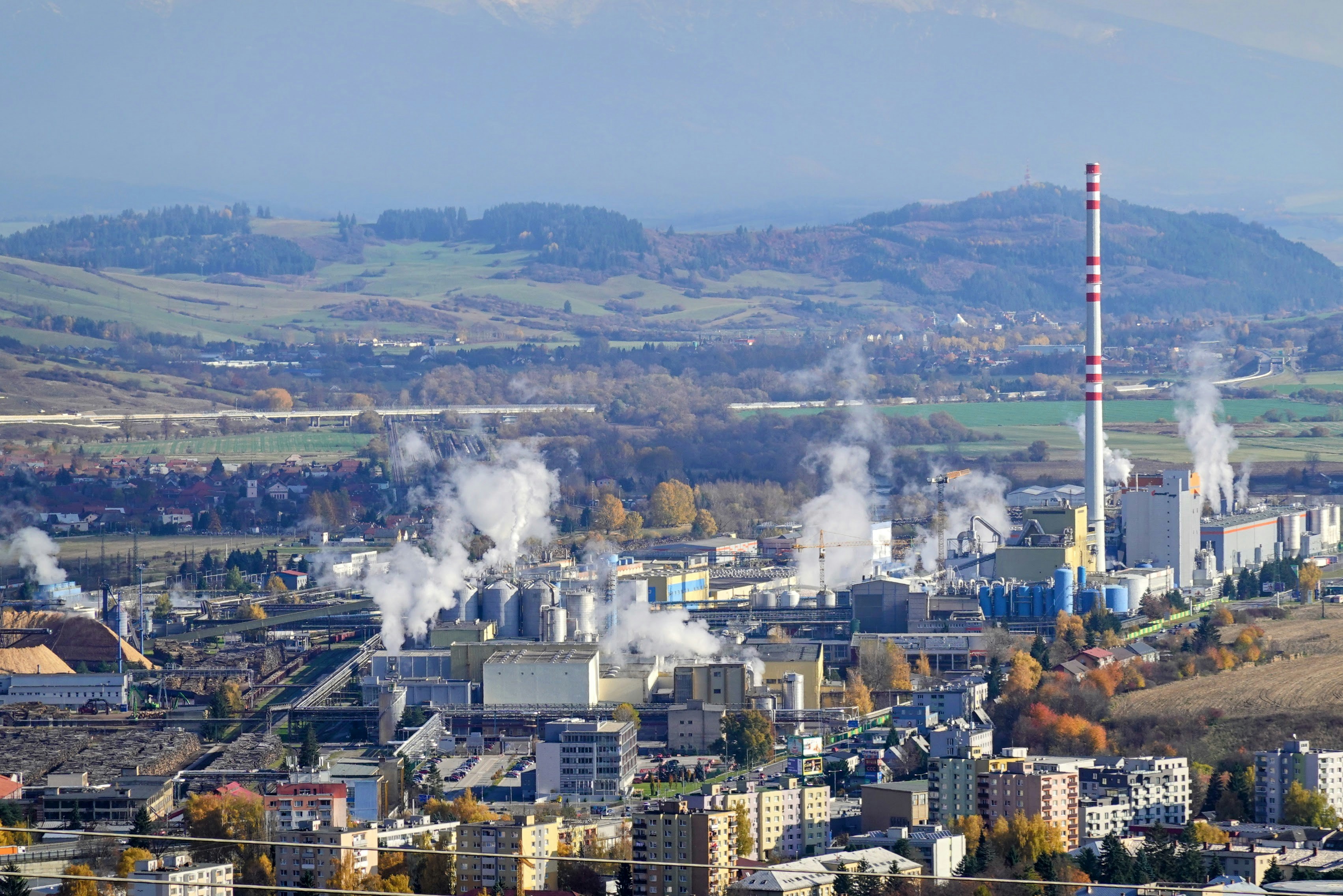
The European Commission is using the auction to encourage investment in technologies capable of replacing fossil fuels in industrial heating processes. These processes are used across industries including chemicals, steel, cement, food and beverage, and pulp and paper.
How the Heat Auction Will Work
Unlike a conventional grant program, the IF26 Heat Auction will use competitive bidding. Companies and project developers will submit proposals outlining their planned technology, heat production and expected emissions reductions.
Successful bidders will receive a fixed premium subsidy linked proportionally to each tonne of direct CO₂ emissions avoided. Payments can continue for a maximum of five years.
The approach is intended to direct funding toward projects that can demonstrate measurable emissions reductions while helping reduce the cost gap between clean industrial heat and conventional fossil-fuel alternatives.
Which Technologies Are Eligible?
The auction covers several technology categories.
Electrified Industrial Heat
Eligible technologies include:
Industrial heat pumps
Electric boilers
Thermal storage
Plasma torches
Other electrification technologies
These technologies can replace fossil-fuel-fired equipment with systems powered by electricity.
Renewable Heat
The auction also supports direct renewable heat technologies, including solar thermal and geothermal systems. Such solutions can provide industrial heat without directly relying on fossil fuels.
Nuclear Heat
For the first time, the second heat auction also includes certain nuclear technologies, such as small modular reactors (SMRs). This expands the technology scope compared with the previous auction.
Lower Temperature Threshold Expands Eligibility
One of the important changes in the second auction is an expansion of eligibility for industrial heat projects.
The previous auction focused on projects producing heat above 100°C. Under the new rules, certain projects producing industrial heat from 80°C and above can participate.
This change potentially opens the program to a wider range of industrial processes and technologies.
Focus on Electricity System Flexibility
The Commission is also placing greater emphasis on technologies that can operate flexibly.
Projects can receive additional incentives for solutions that avoid electricity consumption during peak periods. Technologies that do not require electricity can also benefit from the auction's design.
This is important because widespread industrial electrification could increase electricity demand. Flexible heat production and thermal storage can help industries use electricity when renewable power is more readily available or when pressure on the electricity grid is lower.
Open to Industries Across Europe
The IF26 Heat Auction will be open to projects of all sizes and industrial sectors across the European Economic Area (EEA). This gives companies in sectors ranging from chemicals and steel to food processing and cement the opportunity to participate.
The broad eligibility is intended to encourage a range of industrial decarbonisation approaches rather than focusing funding on a single technology or sector.
Member States Can Add Funding
The European Commission has also included an Auction-as-a-Service mechanism that allows Member States to contribute additional funding to the auction.
The approach has previously been used in European hydrogen auctions. It could allow national governments to support additional projects beyond what can be financed through the EU-level budget alone.
This could provide participating countries with another mechanism for supporting industrial heat decarbonisation projects within their national markets.
Building on the First Heat Auction
The new auction follows the results of the first Innovation Fund heat auction.
The IF25 Heat Auction received 85 bids requesting a combined €1.4 billion in funding. The European Commission subsequently selected 65 projects for grant preparation, covering projects in 10 European countries.
The selected projects are expected to produce around 16.3 TWh of decarbonised heat during their first five years of operation, based on approximately 766 MW of thermal capacity.
The experience from that first auction has helped shape the design of the second round.
Part of Europe's Industrial Decarbonisation Strategy
The IF26 Heat Auction was announced under the European Commission's Clean Industrial Deal and is also intended to serve as a pilot for the planned Industrial Decarbonisation Bank.
The Commission says the Industrial Decarbonisation Bank aims to mobilize up to €100 billion for industrial decarbonisation.
The heat auction therefore has a role beyond distributing €1 billion in immediate funding. It is also designed to provide experience with competitive funding mechanisms for future industrial decarbonisation investments.
Timeline for Companies
The European Commission published the final Terms and Conditions on September 24, 2026. National information webinars are scheduled throughout October to help potential applicants understand the requirements.
The call for proposals is planned to open in December 2026, with the current timeline showing a planned closing date in February 2027.
Companies interested in participating can therefore begin preparing their projects before the formal bidding window opens.
Why Industrial Heat Matters
Industrial process heat is required for a wide range of manufacturing activities. It can be used to melt materials, drive chemical reactions, process food and produce products such as steel, cement and paper.
Because many of these processes currently depend on fossil fuels, replacing conventional heat systems represents a significant technical and investment challenge.
The Commission's auction is designed to help close the financial gap between existing fossil-fuel technologies and newer electrified, renewable and nuclear heat solutions.
Looking Ahead
The publication of the final terms marks the next stage in Europe's effort to accelerate industrial heat decarbonisation.
With €1 billion available and a broader technology scope than the previous auction, the IF26 Heat Auction could attract projects involving electrification, renewable heat, thermal storage and nuclear technologies.
The results will also provide further information about the cost and scalability of different approaches to reducing industrial heat emissions across Europe.
Conclusion
The European Commission has finalized the rules for its €1 billion IF26 Heat Auction, with applications expected to open in December 2026. The program will provide fixed-premium support for industrial projects that reduce direct CO₂ emissions through cleaner heat technologies.
The auction expands eligibility to lower-temperature industrial heat, introduces nuclear technologies such as SMRs, and encourages flexible solutions that can reduce pressure on Europe's electricity system. Building on the first heat auction, the initiative represents another step toward scaling industrial decarbonisation technologies and developing future funding mechanisms through the planned Industrial Decarbonisation Bank.
Found this useful?