European Fertilizer Producers Face the Same Rhine-Driven Cost Pressures as Petrochemical Peers
Introduction
European fertilizer manufacturers are increasingly facing the same logistics challenges that have long affected the petrochemical industry. Disruptions along the Rhine River—caused by low water levels, weather extremes, and transportation constraints—are raising inland freight costs and complicating the movement of critical fertilizer feedstocks.
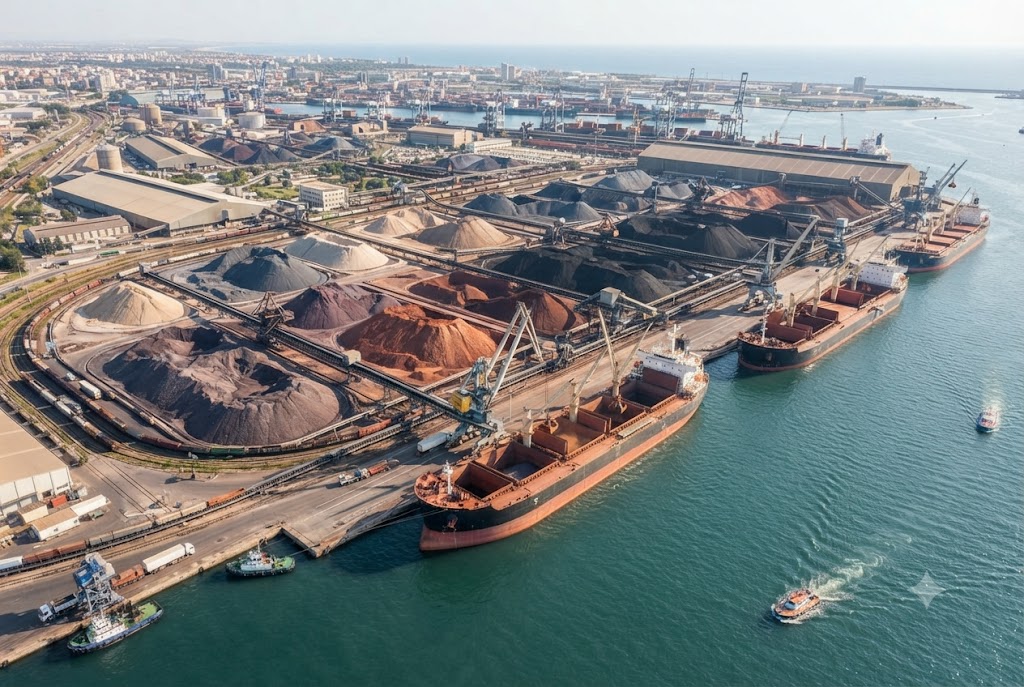
As one of Europe's busiest inland waterways, the Rhine is essential for transporting bulk commodities such as sulphur, ammonia, phosphates, potash, and industrial chemicals. When barge traffic is restricted, fertilizer producers experience higher logistics costs, delayed deliveries, and increased operational uncertainty, mirroring the pressures already experienced by petrochemical companies.
Why the Rhine Is a Critical Industrial Corridor
The Rhine River connects major industrial centers in Germany, France, Switzerland, Belgium, and the Netherlands while linking inland manufacturing facilities with major ports such as Rotterdam and Antwerp.
The river supports the transportation of:
Sulphur
Ammonia
Phosphate rock
Potash
Sulphuric acid
Industrial chemicals
Fertilizer intermediates
Petrochemical feedstocks
Because both fertilizer and petrochemical manufacturers depend on many of the same transportation routes, disruptions affect both industries simultaneously.
How Rhine Disruptions Increase Production Costs
Transportation constraints on the Rhine create several cost pressures throughout the fertilizer supply chain.
Higher Inland Freight Rates
Reduced barge loading capacity increases transportation costs as more shipments are required to move the same volume of raw materials.
Delivery Delays
Restricted navigation slows the movement of feedstocks, making production planning more difficult for manufacturers.
Inventory Carrying Costs
To avoid production interruptions, companies often maintain larger inventories, increasing warehousing expenses and working capital requirements.
Alternative Transport Costs
Switching shipments from river barges to rail or road transport generally results in significantly higher logistics expenses.
Similar Challenges Facing Petrochemical Producers
The petrochemical industry has experienced comparable logistics pressures due to its dependence on bulk transportation of liquid chemicals and industrial feedstocks.
Both industries face:
Rising inland transportation costs
Feedstock delivery delays
Supply chain uncertainty
Increased inventory requirements
Greater dependence on multimodal logistics
Higher landed costs
As a result, fertilizer producers are increasingly adopting procurement and logistics strategies already common within the petrochemical sector.
Procurement Strategies for Managing Logistics Risks
To reduce the impact of Rhine-related disruptions, fertilizer manufacturers should strengthen supply chain resilience through proactive planning.
Diversify Transportation Networks
Combining inland waterways with rail and road transport provides greater flexibility when river conditions deteriorate.
Expand Supplier Base
Sourcing feedstocks from multiple regions helps reduce dependence on a single transportation corridor.
Improve Logistics Visibility
Real-time monitoring of river conditions, freight availability, and shipment status enables faster operational decisions.
Optimize Inventory Management
Strategic inventory planning can reduce production risks while balancing storage costs.
Evaluate Total Landed Cost
Procurement teams should consider transportation, storage, insurance, and delivery reliability alongside raw material prices when selecting suppliers.
Long-Term Industry Outlook
Climate variability and increasingly unpredictable weather patterns suggest that Rhine logistics disruptions may become a recurring operational challenge rather than an isolated event. Consequently, fertilizer producers are expected to invest more heavily in supply chain diversification, digital logistics platforms, and risk-based procurement strategies.
Greater collaboration between suppliers, logistics providers, and manufacturers will also become increasingly important to improve transportation flexibility and minimize operational disruptions.
Building Supply Chain Resilience
Companies that integrate procurement planning with transportation intelligence will be better equipped to respond to changing logistics conditions.
Key priorities include:
Real-time freight monitoring
Supplier diversification
Scenario-based procurement planning
Digital supply chain visibility
Strategic inventory optimization
Long-term logistics partnerships
These measures help organizations maintain reliable production while controlling costs during periods of transportation uncertainty.
Conclusion
European fertilizer manufacturers are now experiencing many of the same Rhine-driven logistics pressures that have challenged the petrochemical industry for years. Rising inland freight costs, transportation delays, and reduced barge capacity are increasing feedstock costs and adding complexity to procurement operations.
By strengthening logistics resilience, diversifying transportation options, and adopting data-driven procurement strategies, fertilizer producers can better manage evolving supply chain risks while maintaining operational efficiency and long-term competitiveness.