Can Europe's Chemical Pricing Boost Last? Market Outlook for 2026 | ChemicalsBlog.com
Country Watch
schedule3 Min Read
European Investors Scrutinize Whether the Middle East Pricing Boost Can Last
terminal
prodchem
Jul 22, 2026
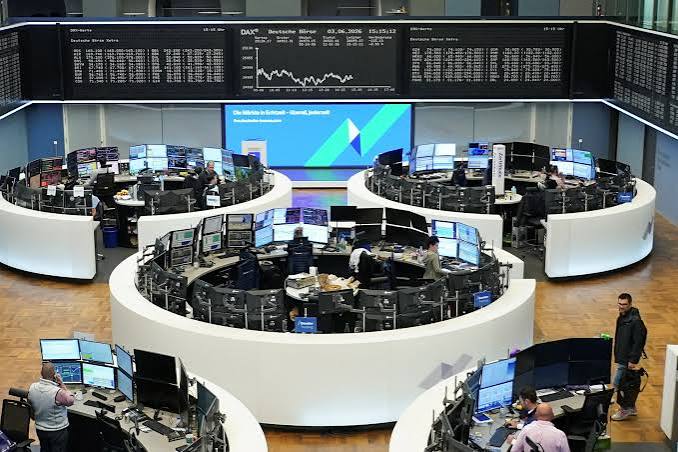
European investors are closely watching whether the recent pricing gains enjoyed by chemical companies driven largely by Middle East supply disruptions can translate into sustained earnings growth. While tighter global supply has temporarily lifted prices for several petrochemical and industrial chemicals, the sector continues to face long-term challenges including weak manufacturing demand, high production costs, and increasing competition from lower-cost Asian producers.
For chemical manufacturers, distributors, and procurement professionals, the key question is whether current pricing strength reflects a genuine market recovery or simply a short-term response to geopolitical events. The answer will shape investment decisions, procurement strategies, and production planning across Europe's chemical industry.
Why the Pricing Boost Matters
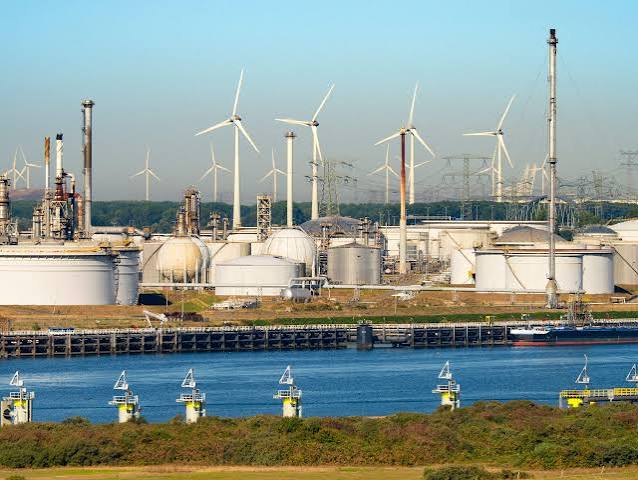
Europe remains one of the world's leading chemical manufacturing regions, supplying products to industries including automotive, pharmaceuticals, construction, packaging, and consumer goods.
Products most influenced by current market conditions include:
Temporary supply shortages have supported prices, but long-term demand will remain the primary driver of sustainable industry growth.
Market Implications
The current environment may result in:
Improved short-term earnings for European chemical producers
Continued uncertainty around long-term demand recovery
Ongoing pricing pressure from Asian manufacturers
Higher procurement costs for downstream industries
Increased focus on operational efficiency
Greater emphasis on value-added specialty chemicals
Investors are expected to closely monitor future earnings guidance to determine whether pricing improvements remain sustainable once supply disruptions ease.
Procurement Considerations
Chemical procurement teams should focus on:
Diversifying supplier networks
Monitoring regional pricing trends
Securing flexible supply agreements
Evaluating alternative sourcing regions
Optimizing inventory levels
Tracking energy and feedstock costs
Balancing short-term pricing opportunities with long-term supply resilience can help organizations manage market uncertainty more effectively.
Looking Ahead
Temporary pricing support has provided welcome relief for European chemical producers, but long-term competitiveness will depend on stronger industrial demand, innovation, operational efficiency, and the ability to compete with lower-cost global producers. As geopolitical tensions evolve, buyers should continue monitoring market fundamentals rather than relying solely on short-term price movements.
For procurement professionals, maintaining diversified sourcing strategies and strong supplier partnerships will remain critical for managing both cost volatility and supply continuity.
Key Takeaways
Middle East disruptions have temporarily improved pricing for European chemical companies.
Investors remain cautious about the sustainability of these gains.
Weak industrial demand and Asian competition continue to challenge the sector.
Procurement teams should monitor both pricing trends and underlying market fundamentals.