European pharmaceutical manufacturers enter the week of July 13 facing another layer of supply chain pressure. Germany's pharmaceutical production remained nearly 6% below the previous year during Q1 2026, while Cefic reported EU chemical capacity utilisation at 74% and business confidence at -9%. Against this backdrop, the collapse of the July 8 ceasefire and Brent crude's rebound to $79 per barrel introduces additional cost pressure for pharmaceutical intermediates, solvents and excipient chemicals produced across Europe.
For pharmaceutical procurement teams, the current market is shaped by both structural production limitations and rising logistics and feedstock costs. Confirming Q3 supply commitments for pharmaceutical-grade solvents and excipients has become an important procurement priority.
Europe's Pharmaceutical Manufacturing Remains Under Pressure
European chemical and pharmaceutical production has yet to return to stronger operating levels. Lower capacity utilisation reflects a market where producers continue balancing demand, energy costs and operational efficiency.
Germany remains one of Europe's most important pharmaceutical manufacturing hubs. Reduced production output therefore has implications that extend across regional supply chains, particularly for companies sourcing high-purity pharmaceutical ingredients.
Rather than representing a short-term disruption, these production figures point to broader structural challenges that continue to influence supply availability.
Why Cefic's Q1 Data Matters for Procurement
Capacity utilisation offers procurement teams an early indication of supply flexibility.
At 74% utilisation, European chemical producers have available capacity, but they also continue operating within a cautious business environment. Combined with a business confidence index of -9%, manufacturers may remain selective about production scheduling, inventory management and contract commitments.
For buyers, this means that future availability depends not only on manufacturing capability but also on commercial planning throughout the supply chain.
Higher Crude Prices Affect Pharmaceutical Solvents
The rebound in Brent crude prices increases cost pressure across several important pharmaceutical solvent categories.
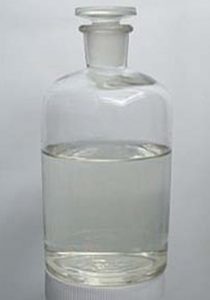
Crude-linked raw materials and energy costs influence the production economics of commonly used pharmaceutical-grade solvents, including:
Isopropyl alcohol (IPA) used in pharmaceutical manufacturing and cleaning processes.
Ethanol used in formulation, extraction and sanitization applications.
Dichloromethane (DCM) used in selected pharmaceutical processing and purification operations.
Although pricing impacts vary by producer and contract structure, sustained increases in crude costs can gradually influence solvent pricing throughout the quarter.
Excipient Supply Also Faces Cost Pressure
Excipients represent another important category influenced by European chemical production.
Many excipient chemicals depend on energy-intensive manufacturing, specialty intermediates and regional production infrastructure. When production costs increase, suppliers may experience tighter operating margins and longer lead times for certain products.
Procurement teams should therefore monitor both solvent and excipient availability rather than focusing on a single product category.
Structural Constraints Continue Beyond Energy Prices
While higher crude prices create immediate cost pressure, they are not the only factor affecting European pharmaceutical supply.
Current market conditions also include:
Continued cautious production planning across the European chemical sector.
Ongoing pressure on manufacturing costs.
Variable regional demand for pharmaceutical intermediates.
Careful inventory management by producers.
These structural conditions suggest that supply planning should extend beyond short-term price movements.
Procurement Priorities for Q3
Procurement professionals should use the current period to strengthen supply visibility before demand increases later in the quarter.
Priority actions include:
Confirm Q3 production allocations with European suppliers.
Review existing contract volumes for pharmaceutical solvents.
Verify delivery schedules for excipient chemicals.
Assess inventory coverage against planned manufacturing campaigns.
Discuss contingency arrangements if lead times extend.
Taking these steps early can reduce the likelihood of production interruptions during periods of market volatility.
Managing Supplier Relationships During Market Uncertainty
Long-term supplier collaboration becomes increasingly valuable when markets operate under structural constraints.
Regular communication allows procurement teams to understand:
Available production capacity.
Expected shipment schedules.
Planned maintenance activities.
Inventory held within European distribution networks.
Potential changes in pricing mechanisms linked to feedstock costs.
This visibility supports better purchasing decisions while reducing exposure to unexpected supply disruptions.
Outlook for European Pharmaceutical Supply
European pharmaceutical manufacturing continues to benefit from advanced production capabilities and established regulatory standards. However, lower production output, cautious industry sentiment and higher crude-linked costs suggest that supply conditions will remain tighter than historical averages through the coming months.
Procurement teams should expect continued volatility in selected pharmaceutical solvents and excipients rather than a rapid return to abundant supply. Strategic sourcing, early supplier engagement and careful inventory planning will remain essential for maintaining manufacturing continuity.
What Pharmaceutical Procurement Teams Should Do This Week
The combination of structural production constraints and renewed energy market volatility creates a clear procurement agenda for the week of July 13.
Procurement professionals should:
Confirm Q3 availability for pharmaceutical-grade IPA, ethanol and DCM.
Review excipient supply agreements with European producers.
Verify delivery schedules for critical manufacturing materials.
Monitor crude-linked pricing developments affecting solvent procurement.
Maintain regular communication with primary suppliers regarding production and inventory status.