EU's Biotech Act II Adds a European Counterpart to US Biomanufacturing Reshoring
The global landscape for industrial biotechnology is undergoing a simultaneous transformation on both sides of the Atlantic. The acquisition of Genomatica by Copenhagen-based Again arrives at a critical juncture in this evolution. It coincides directly with the introduction of the EU’s Biotech Act II.
This major policy initiative aims to mobilize tens of billions of dollars in investment. Its primary goal is to cement domestic biobased chemicals supply chains within Europe. This strategic move mirrors similar reshoring efforts currently underway in the United States.
Procurement managers and chemical traders must understand the implications of this dual push. The era of relying solely on low-cost overseas production for essential chemical intermediates is ending. Regional self-sufficiency is becoming a priority for major economic blocs worldwide.
Buyers will see increased competition for local production capacity as these policies take effect. The convergence of private consolidation and public funding accelerates the development of secure supply networks. This shift redefines how global chemical trade flows will operate in the coming decade.
The Strategic Timing of the Again-Genomatica Deal
The acquisition of Genomatica by Again is not merely a commercial transaction. It represents a strategic alignment with broader geopolitical and industrial trends. Copenhagen serves as a central hub for European sustainability innovation.
Genomatica brings decades of proven fermentation technology to this European base. This combination creates a powerful entity capable of scaling biomanufacturing rapidly. The deal positions the merged company to capitalize on the upcoming influx of EU funding.
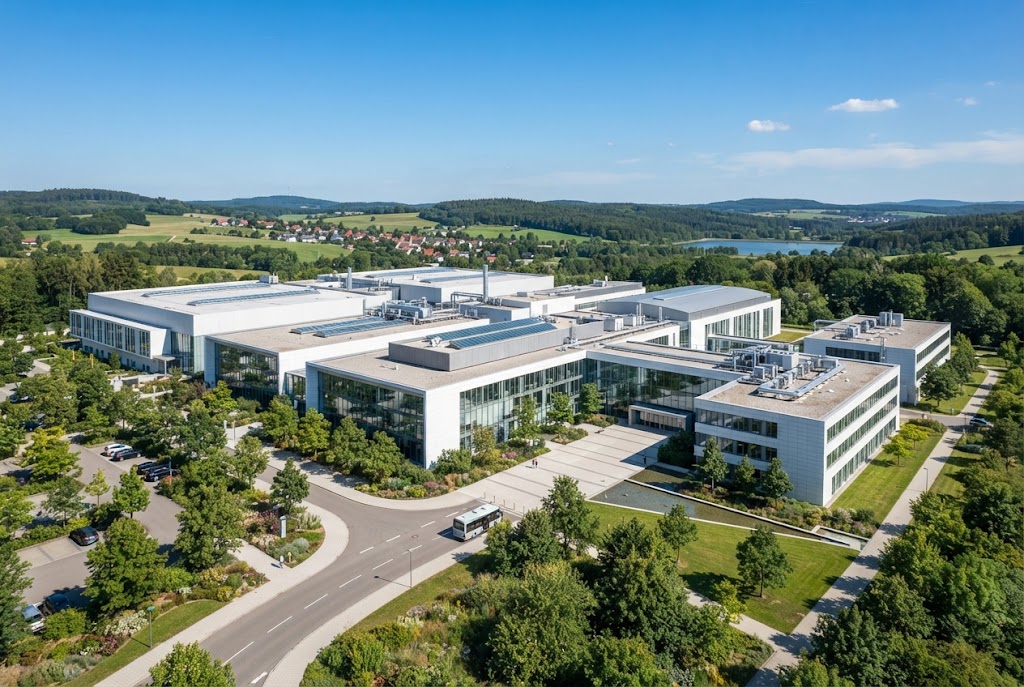
Traders should view this consolidation as a signal of market maturation. Companies are actively building the scale necessary to compete with traditional petrochemical giants. The timing ensures that they are ready to deploy capital as soon as it becomes available.
This proactive stance allows them to secure early mover advantages in key markets. Buyers who engage with these emerging leaders will gain access to priority supply allocations. Early partnerships often result in more favorable terms and collaborative development opportunities.
How Biotech Act II Mobilizes Domestic Investment
The EU’s Biotech Act II represents a massive commitment to industrial sovereignty. It aims to reduce dependence on foreign suppliers for critical biological technologies. The policy framework includes direct grants, loan guarantees and tax incentives for qualified projects.
Tens of billions of dollars will flow into the construction of new fermentation facilities. This funding targets the entire value chain from research and development to full-scale production. The goal is to create a robust and resilient domestic ecosystem for biobased materials.
Procurement teams will see a surge in local production capacity for key intermediates. Molecules like 1,4-butanediol and various organic acids will increasingly be sourced within Europe. This localization reduces transit times and minimizes exposure to global shipping disruptions.
The act also emphasizes the importance of sustainable feedstocks. Projects that utilize waste carbon or agricultural residues receive preferential treatment. This aligns perfectly with the technological capabilities of the Again-Genomatica platform.
Mirroring US Reshoring Efforts and Policies
The European initiative closely parallels the United States’ approach to biomanufacturing reshoring. The US BIOSECURE Act and related federal funding aim to secure domestic supply chains. Both regions recognize the strategic vulnerability of relying on overseas production for essential chemicals.
This transatlantic alignment creates a unified front for sustainable industrial policy. It signals to global markets that biobased manufacturing is a priority for major economies. Traders must adapt to this new reality where regional self-sufficiency drives investment decisions.
The similarity in policies encourages cross-border collaboration between European and American firms. Again’s presence in both regions positions it uniquely to leverage these synergies. Buyers can expect harmonized standards and certifications across these markets.
This alignment also reduces regulatory friction for multinational corporations. Companies operating in both regions can use similar compliance frameworks. This efficiency lowers the cost of adopting biobased alternatives for global supply chains.
Impact on Global Trade Flows for Biobased Chemicals
The focus on domestic production will inevitably alter global trade patterns. Europe and North America will import fewer biobased intermediates from Asia. This shift reduces the volume of long-distance chemical shipments significantly.
However, it does not eliminate the need for global trade entirely. Regions with abundant renewable feedstocks will still play a crucial role. Countries with strong agricultural sectors may export raw materials to European and American biorefineries.
Traders should anticipate new trade routes emerging for specialized enzymes and microbial strains. Intellectual property and technical services will become key export commodities. The physical flow of bulk chemicals may decrease while knowledge flows increase.
Importers in other regions may face reduced availability of surplus biobased materials. They will need to develop their own domestic capacities or seek alternative suppliers. This fragmentation requires more sophisticated global sourcing strategies.
Regulatory Drivers Supporting Local Supply Chains
Government mandates are increasingly favoring locally produced sustainable materials. Public procurement policies in the EU often specify minimum domestic content requirements. This creates a guaranteed market for companies investing in local biomanufacturing infrastructure.
Corporate sustainability goals also drive demand for verified local supply chains. Brands prefer suppliers who can provide transparent data on carbon footprints. Local production simplifies the auditing process and enhances credibility.
Sustainability certification schemes recognize regional sourcing as a best practice. Obtaining these certifications helps buyers meet strict environmental reporting standards. The Biotech Act II facilitates this process by standardizing verification methods.
Regulatory clarity around biomass sourcing continues to improve in Europe. This stability encourages long-term investment in biological manufacturing facilities. Buyers can confidently commit to these materials knowing they meet current and future compliance needs.
Challenges in Scaling European Biomanufacturing
Despite the strong policy support, scaling biomanufacturing in Europe presents challenges. High energy costs and strict environmental regulations can increase operational expenses. Producers must achieve high efficiency to remain competitive with global peers.
Securing consistent and cost-effective renewable feedstocks is another hurdle. Agricultural residues often suffer from supply chain inconsistencies. The merged entity must navigate these logistical complexities to maintain reliable production.
Workforce shortages in specialized biotechnology roles also pose a risk. Training skilled operators and engineers takes time and resources. Companies must invest heavily in human capital to support rapid expansion.
Overcoming these challenges requires continuous innovation and process optimization. The integration of advanced digital tools helps improve efficiency and reduce costs. Buyers should look for suppliers who demonstrate a commitment to technological excellence.
What Procurement Teams Should Do Now
Procurement leaders must update their sourcing strategies to reflect these regional shifts. Engaging with suppliers who benefit from Biotech Act II funding secures priority access. Building strong relationships with local innovators ensures stability in evolving markets.
Consider the following strategic actions for the coming year:
Audit current supply chains for reliance on overseas biobased materials. Identifying vulnerabilities allows for proactive mitigation and prevents unexpected shortages.
Evaluate suppliers based on their eligibility for EU and US government incentives. Partners with strong policy alignment offer greater long-term stability and pricing advantages.
Request detailed data on local content and carbon footprints from vendors. This information supports regulatory compliance and enhances corporate sustainability reporting.
Negotiate flexible contracts that account for evolving regulatory landscapes. This flexibility protects your organization from sudden compliance costs and operational delays.
Invest in digital tracking tools to monitor supplier performance continuously. Real-time data provides the visibility needed to make informed and agile sourcing decisions.
The Bottom Line for Chemical Buyers
The EU’s Biotech Act II and the Again-Genomatica deal signal a definitive shift toward regional biomanufacturing. This reshoring push mirrors US efforts to secure domestic supply chains for biobased chemicals. Buyers must adapt to this new reality where local production dictates market dynamics.
Companies that prioritize suppliers aligned with these policy initiatives will build more resilient operations. This proactive approach mitigates geopolitical risks and ensures regulatory compliance. The future of chemical procurement belongs to those who embrace secure and sustainable local production. Ready to source Lactic Acid from verified global suppliers? Explore competitive offers on our platform today.

Lactic Acid (E270)
Found this useful?