Evonik Commits $100 Million to Modernize Its Largest US API Facility
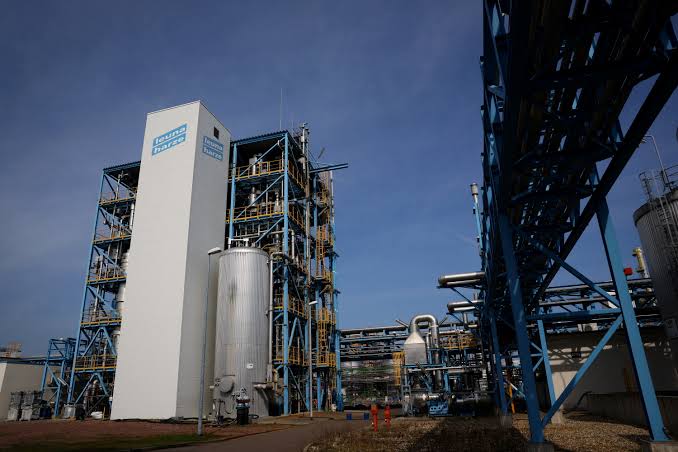
Evonik will invest $100 million over five years to modernize key equipment including large reactors at its Tippecanoe Labs site in Lafayette, Indiana. This capital commitment targets the company’s largest US active pharmaceutical ingredient manufacturing facility and signals sustained confidence in domestic API production despite broader industry headwinds. For pharmaceutical procurement teams and contract manufacturing partners, the investment strengthens supply security for complex small molecule APIs that serve regulated drug markets globally. The multi-year upgrade programme focuses on reactor replacements and process intensification technologies that expand capacity while improving yield consistency. Buyers should now factor enhanced operational reliability into supplier evaluations as Evonik positions Tippecanoe Labs for long-term competitiveness in an increasingly quality-sensitive marketplace.
What the Tippecanoe Labs Modernization Entails
The $100 million investment spans reactor replacements, auxiliary system upgrades and digital process controls across multiple production trains at the Lafayette site. Large reactors represent the most capital-intensive component because they require custom fabrication, extended installation windows and rigorous qualification protocols before commercial use resumes.
Process intensification technologies form another pillar of the modernization strategy. These engineering improvements increase throughput per batch without expanding physical footprint, which improves asset utilization and reduces unit manufacturing costs for high-value API intermediates and finished products.
Digital monitoring systems integrated during the upgrade enable real-time quality tracking and predictive maintenance capabilities. Such technologies reduce batch failure rates and shorten release testing cycles, directly benefiting customers who depend on consistent supply timing for formulation and packaging operations downstream.
Why Domestic API Investment Matters Now
Geopolitical tensions and regulatory scrutiny have elevated strategic importance of US-based API manufacturing for pharmaceutical supply chains. Government incentives under recent legislation encourage domestic production of critical medicines, making facilities like Tippecanoe Labs eligible for supportive policy frameworks that improve investment economics.
Customer preferences also favour geographically diversified supply bases after pandemic-era disruptions exposed concentration risks in Asian manufacturing hubs. Procurement teams at major drug companies increasingly require dual-region sourcing strategies that include qualified Western suppliers capable of meeting FDA inspection standards consistently.
Regulatory alignment provides additional competitive advantage for modernized US facilities. Sites operating under current cGMP expectations with updated equipment face fewer compliance observations during inspections, reducing approval delays for new drug applications and supplement filings that reference these manufacturing locations.
Capacity and Reliability Implications for Buyers
Reactor modernization typically increases nameplate capacity by fifteen to twenty-five percent through improved heat transfer, mixing efficiency and cycle time reductions. Buyers dependent on Evonik-supplied APIs should request updated capacity declarations and lead time commitments once commissioning completes to incorporate expanded availability into demand planning models.
Reliability improvements matter equally for supply continuity calculations. New equipment reduces unplanned downtime frequency and duration, which translates directly into higher service levels and lower safety stock requirements for customers managing lean inventories in just-in-time manufacturing environments.
Qualification timelines deserve proactive management during transition periods. Even well-executed equipment upgrades require validation batches, stability studies and regulatory notifications before commercial material flows again, so buyers should confirm supply bridge arrangements cover potential gaps between old equipment retirement and new system approval.
Quality and Compliance Considerations During Upgrades
Equipment modernization introduces change control obligations that trigger customer notification requirements under quality agreements. Procurement teams should verify that Evonik has established transparent communication protocols covering validation master plans, protocol execution timelines and final report delivery schedules throughout the five-year programme.
Regulatory filing impacts require careful assessment when upgraded equipment produces material destined for approved drug products. Suppliers must submit comparability protocols or prior approval supplements demonstrating equivalence between pre- and post-modernization processes, and buyers need visibility into submission timing to anticipate potential approval hold periods.
Audit readiness during construction phases presents unique challenges as temporary controls replace permanent systems. Buyers scheduling site audits should coordinate timing with Evonik quality teams to ensure inspections occur when representative GMP conditions exist rather than during transitional states that may not reflect steady-state operational standards.
Strategic Positioning in Global API Markets
The Tippecanoe Labs investment reinforces Evonik’s positioning as a Western CDMO partner for innovator and generic drug developers seeking supply chain resilience. Modernized facilities attract technology transfer projects from companies rebalancing manufacturing footprints away from single-region dependencies toward diversified networks spanning multiple regulatory jurisdictions.
Scale advantages emerge when modernization combines with existing site infrastructure and utility capacity. Greenfield API plants face years of permitting and construction delays, whereas brownfield upgrades at established sites deliver incremental capacity faster and with lower execution risk for customers needing near-term supply solutions.
Technology differentiation through advanced reactor designs creates defensible competitive positions in complex molecule segments. Customers synthesizing difficult-to-manufacture APIs value suppliers whose equipment capabilities match process requirements precisely, reducing development timelines and scale-up uncertainties that plague less-capable manufacturers.
Adjusting Sourcing Strategies Around Modernization Timelines
Request detailed modernization milestone schedules from Evonik to align procurement planning with equipment commissioning and qualification windows.
Confirm supply bridge inventory levels cover potential production gaps during reactor changeovers and validation activities.
Update quality agreements to specify change notification triggers, audit access rights and regulatory support obligations tied to modernization activities.
Benchmark Evonik’s post-upgrade capacity and pricing against alternative US and European API suppliers to validate continued competitiveness.
Evaluate technology transfer opportunities for molecules currently sourced elsewhere that could benefit from Tippecanoe Labs’ enhanced capabilities.
Evonik’s $100 million commitment to Tippecanoe Labs demonstrates tangible confidence in US API manufacturing at a time when many peers defer capital expenditure amid market uncertainty. Pharmaceutical procurement professionals who engage proactively around modernization timelines will secure preferential access to upgraded capacity and strengthened supply partnerships. Ready to source active pharmaceutical ingredients from verified global suppliers? Explore competitive offers on our platform today.

Sodium Ascorbate (E301)
Found this useful?