Ex-China Freight Rates Surge to Near 12-Month Highs: What It Means for Chemical Trade
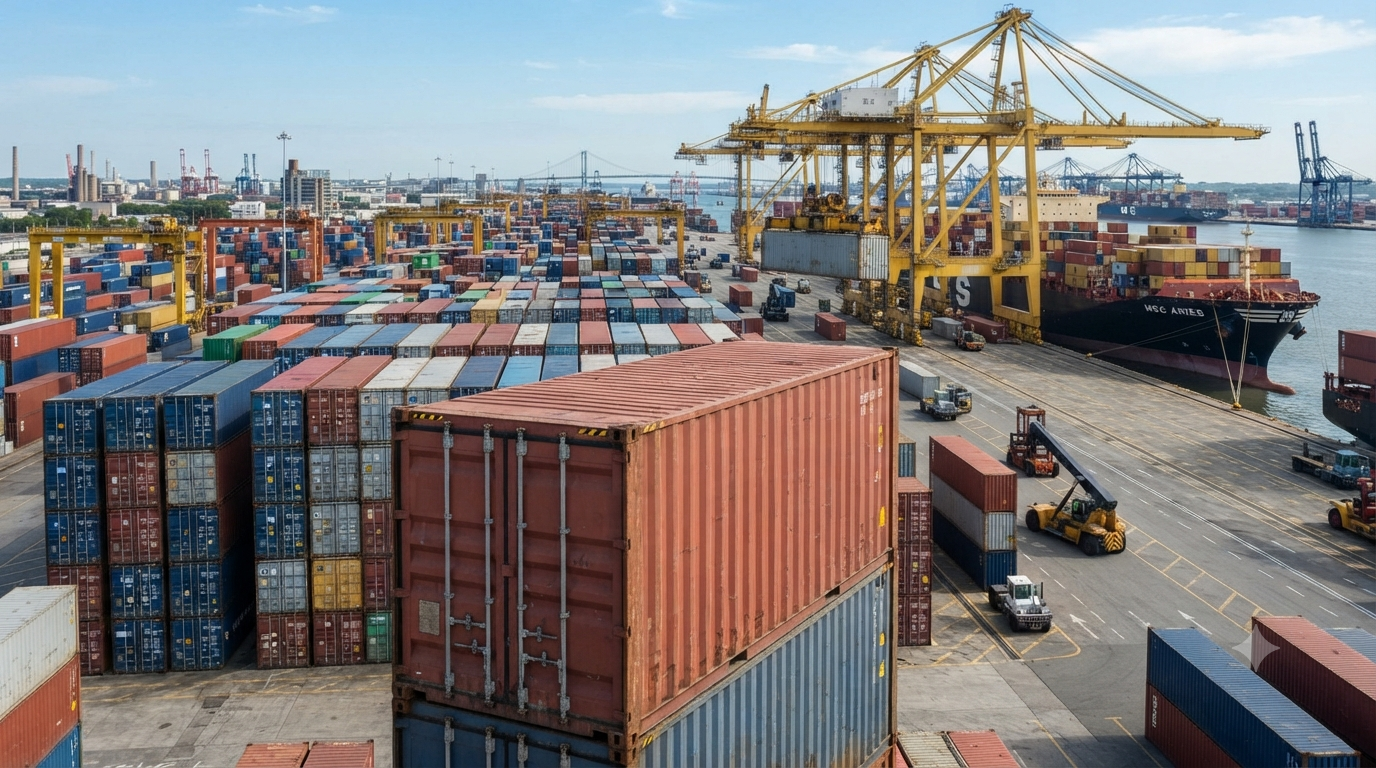
Ex-China freight rates have jumped sharply over the past several weeks, with transpacific container rates climbing to their highest point in roughly 11 months. Carriers on the US-bound lanes have pushed through repeated general rate increases, and space on key sailings has tightened fast. For chemical buyers who rely on China-origin shipments, this is not a minor logistics footnote. Freight now makes up a growing share of landed cost on everything from resins to industrial acids, and the timing catches many procurement teams mid-contract. Understanding what is driving this surge, and how long it might last, matters for anyone planning Q3 and Q4 chemical purchases.
What Is Driving the Ex-China Freight Rate Surge
Several forces are converging at once on the transpacific trade.
Peak season demand has arrived earlier and stronger than carriers expected, as US importers front-load orders ahead of potential tariff changes.
Carriers have trimmed capacity through blank sailings earlier in the year, leaving less room to absorb the sudden rebound in bookings.
Red Sea diversions continue to tie up vessels on longer Asia-Europe routings, indirectly tightening the fleet available for Pacific lanes.
Port congestion at several major US West Coast terminals has slowed vessel turnaround, compounding the capacity squeeze.
None of these factors is new on its own. What has changed is that they are now stacking together in the same quarter.
Transpacific Route Pressure and Capacity Constraints
The transpacific corridor has always been the most rate-sensitive lane in container shipping. Small shifts in available capacity translate quickly into large swings in spot pricing.
Carriers have leaned hard on rate increases rather than adding ships back into service. That choice reflects lessons from the overcapacity years, when carriers flooded the market and rates collapsed. This time, operators appear intent on holding discipline even as demand climbs.
For chemical shippers booking spot or short-term contracts, this discipline shows up as reduced negotiating leverage. Long-term contract holders are somewhat shielded, but even those agreements are starting to see surcharges layered on top of base rates.
How Rising Freight Costs Ripple Into Chemical Procurement
Freight cost is rarely the headline number buyers watch, but it moves the total delivered price just as much as the commodity price itself.
A sustained rate increase on transpacific lanes changes the math for ex-works versus CIF sourcing decisions. Buyers who locked in ex-works terms months ago may now be absorbing freight increases they did not budget for. Those on CIF or DDP terms will see the cost passed through more directly by suppliers.
The practical effect is simple: landed cost volatility rises even when the underlying chemical price stays flat. This matters most for high-volume, lower-margin commodities where freight represents a larger share of the total cost.
Which Chemical Exports Face the Steepest Cost Pressure
Bulk and container-shipped chemicals from China are among the categories most exposed to this rate cycle. Products typically moved in standard containers, rather than bulk vessels, feel the transpacific squeeze first and hardest.
Polymer and resin exports sit squarely in this group, since they move almost entirely by container rather than tanker or bulk carrier.
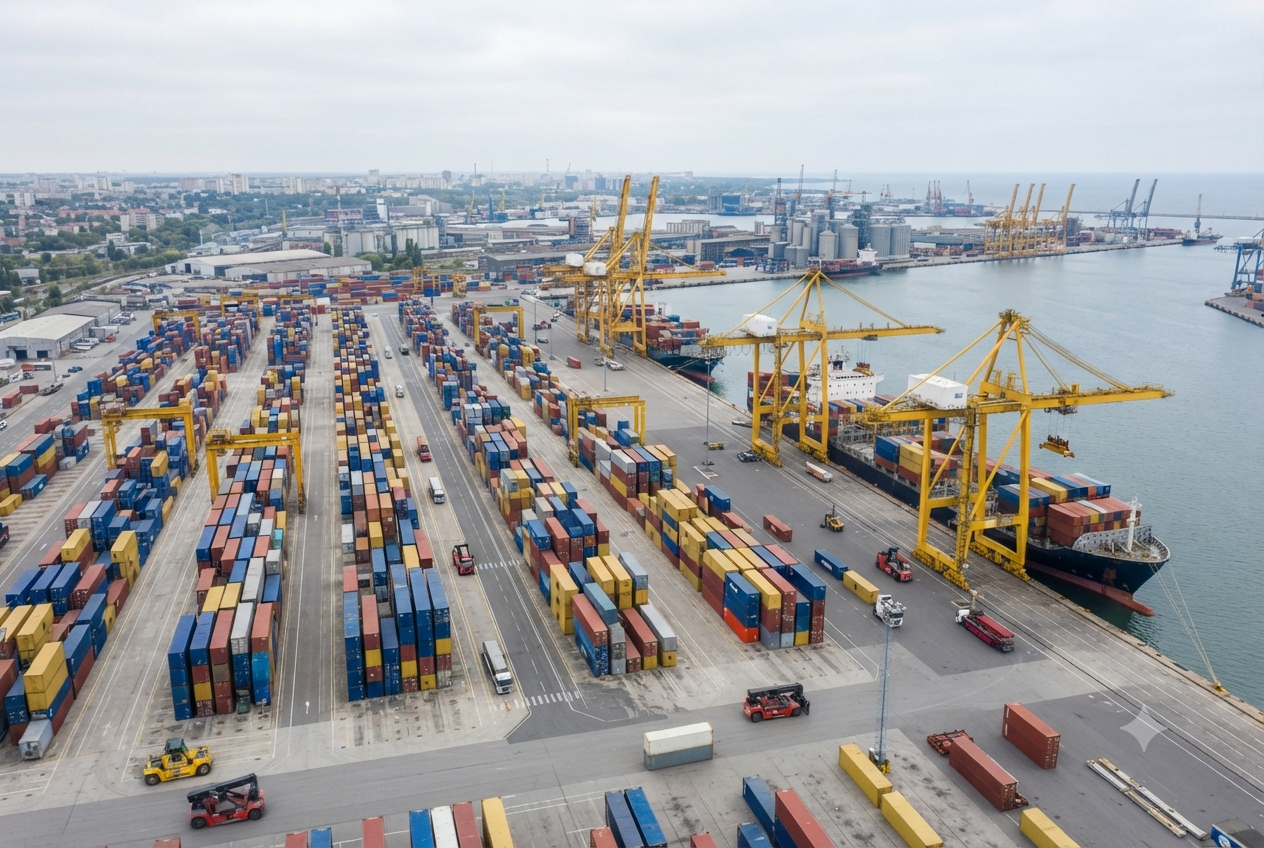
Exporters of resins, additives and specialty polymers are already adjusting quotations to reflect the new freight environment. Buyers sourcing these materials should expect suppliers to revise landed cost quotes more frequently than usual over the coming months.
Carrier Strategies and Blank Sailings
Carriers have used blank sailings as their primary lever to manage rates throughout this cycle.
Several major alliances have cancelled or skipped sailings on specific transpacific strings to keep capacity tight.
This strategy supports rate levels but adds unpredictability to transit schedules for shippers.
Buyers working with tight production timelines may need to build in extra buffer for delayed departures.
Carriers have generally signaled they intend to maintain this approach through the peak shipping season rather than release capacity back into the market early.
Regional Buyers Feeling the Squeeze
North American importers are absorbing the sharpest increases given their heavy reliance on transpacific eastbound lanes. Buyers in Latin America and parts of Southeast Asia are seeing smaller but still noticeable rate movement, since some capacity has been redirected toward the higher-yielding transpacific trade.
European buyers sourcing chemicals ex-China face a mixed picture. Asia-Europe rates have their own dynamics tied to Red Sea routing, but the broader tightening across global container capacity is pushing rates up on that lane as well.
What Procurement Teams Should Do Now
Freight volatility of this kind rarely resolves quickly, and procurement teams are better served planning around it than waiting it out.
Lock in contract rates where possible rather than relying on spot bookings through peak season.
Build freight cost scenarios into supplier negotiations, particularly for high-volume container-shipped chemicals.
Diversify sourcing where feasible to reduce dependence on a single lane or terminal.
Stay in close contact with logistics partners on realistic transit time estimates given ongoing blank sailings.
Buyers who treat freight as a fixed, minor cost line are the ones most likely to be caught off guard by the next rate announcement. Those who build flexibility into contracts and timelines now will be in a stronger position when the market eventually cools.
Ready to source PVC Resin from verified global suppliers? Explore competitive offers on our platform today.

PVC Resin
Found this useful?